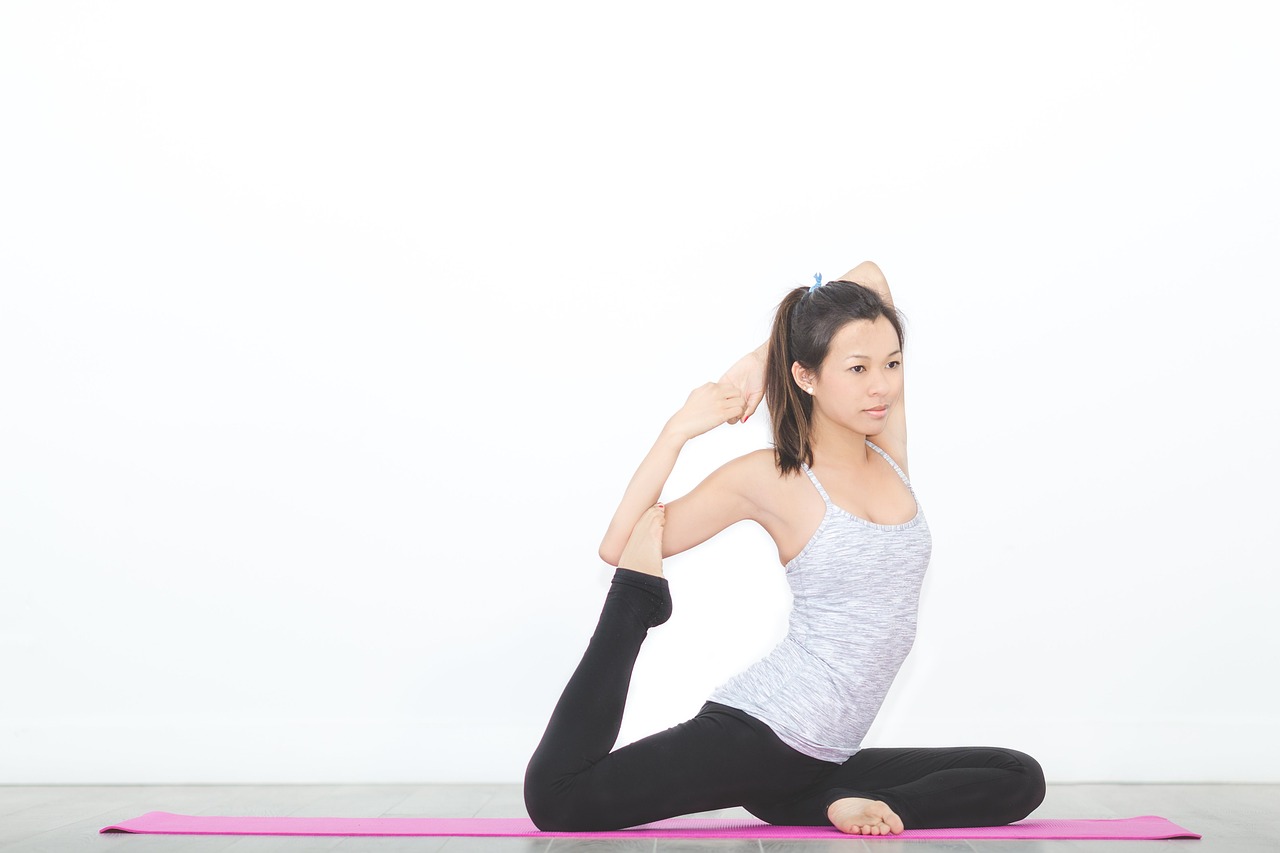

Pre-Workout Stretching Routines for Weightlifters
Pre-workout stretching routines can significantly improve your performance in weightlifting. These routines enhance flexibility and mobility, which are vital for lifting heavy weights safely. A proper warm-up increases blood flow and prepares your muscles for intensive exercises. Participating in dynamic stretches can speed up the process of warming up your muscles and joints. Engaging in these stretches minimizes the risk of injury while enhancing your lifting capacity. Additionally, focusing on different muscle groups, like the quads, hamstrings, and shoulders, will ensure a comprehensive warm-up. Incorporate movements that mimic the lifts you plan to perform. Such integration familiarizes your body with the motion patterns required for optimal lifting technique. Effective routines not only aid in physical readiness but also mentally prepare you for the workout ahead. Having a well-structured stretching plan instills confidence, promoting a positive mindset toward achieving your weightlifting goals. Aim for a mix of static and dynamic stretches and consider consulting with a coach for personalized recommendations. Pre-lifting routines should ideally last around 10-15 minutes to be effective without exhausting your energy reserves.
Dynamic Stretching Benefits
Dynamic stretching plays a pivotal role in preparing weightlifters for their workouts. Unlike static stretching, dynamic stretching involves movement, enabling your muscles to warm up progressively before exertion. This active form of stretching enhances blood circulation, increases your heart rate, and boosts overall muscle temperature. Especially before weightlifting, this preparation is crucial as it can help improve your range of motion and performance. Researchers note that dynamic stretching leads to increased functional strength, which directly impacts athletic performance. Incorporating exercises like leg swings, arm circles, and torso twists into your routine has proven effective for many serious weightlifters. Such exercises target specific muscle groups that are engaged during lifts, making them more relevant to your workout. Ensure each stretching motion is performed smoothly to avoid injury and maximize effectiveness. Another bonus of dynamic stretching is its ability to mentally gear you up for your upcoming workouts. In a sport where mental readiness is just as important as physical training, dynamic routines can foster an effective workout mindset. Emphasizing this stretch type should be a priority in any athlete’s pre-lift regimen.
Focusing on specific muscle groups is essential when working on your pre-workout stretching routines. Targeted stretches ensure that all areas, especially the crucial ones engaged during lifts, receive adequate attention before every workout. Key muscle groups include the quadriceps, hamstrings, hip flexors, lower back, and shoulders. Creating a routine that comprehensively addresses these muscle groups will improve flexibility and range of motion. For instance, performing a standing quad stretch can help prepare your legs for squats, while a shoulder dislocation stretch with a resistance band can enhance shoulder flexibility for overhead lifts. Each stretch should be held for about 20-30 seconds to allow the muscles to warm up and adapt. You may consider including foam rolling beforehand to break up knots in the muscles, enhancing blood flow. Always listen to your body when stretching; pushing too hard can lead to injury. Also, incorporating deep breathing techniques can facilitate relaxation, making stretching sessions more effective. Prioritize consistency in your warm-up and stretching routines to see notable improvements in your weightlifting performance over time.
Importance of Mobility Work
Mobility work is often underestimated in the weightlifting community, yet its significance cannot be overstated. Mobility refers to the ability to move a joint through its full range of motion; this is vital for executing lifts with proper form. When athletes lack mobility, their lifting technique suffers, leading to increased injury risks. Therefore, incorporating mobility exercises into your pre-lift routine can enhance overall performance, reduce pain, and create better lifting efficiency. For instance, adding deep squats with an emphasis on form improves hip and ankle mobility, crucial for explosive lifts. Moreover, focusing on core stability through exercises like planks helps support the body during heavy lifts, minimizing the chance of injury. Incorporating banded stretches into your routine can also assist in opening up tight areas that restrict movement. Including mobility work will diversify your training regimen and contribute to overall longevity in the sport of weightlifting. Furthermore, adapting to various lifting styles becomes easier with enhanced mobility, accommodating personal technique adjustments as needed. Consequently, dedicating time to mobility exercises will yield significant benefits, making them a non-negotiable part of your routine.
Recovery post-stretching is just as important as the stretches themselves. After completing your pre-workout routine, transitioning smoothly into your lifting session is essential. Observing proper recovery techniques can enhance muscle performance, ensuring your body is primed for the work ahead. Cool-downs and light stretching post-lift are often people overlook in their workout plans. Smooth transitions between active states help your body maintain peak performance levels. Additionally, boosting flexibility through extended horse stretches or razorbacks at the end of your routine can help retain the gains you’ve made during your workout. Adequate hydration plays a critical role in recovery as well. Water aids in muscle recovery and keeps your joints lubricated, facilitating smoother mobility. Moreover, nutrition should not be neglected; consider protein and carbohydrate intake to replenish energy stores. Employing foam rolling techniques post-workout can also reduce soreness levels. Recognizing the importance of post-lift recovery helps you maintain training vitality. Thus, ensure your workout plan acknowledges recovery holistically, considering what follows after lifting. Approaching workout sessions with foresight about recovery can enhance your long-term progress and overall well-being.
Static Stretching and Weightlifting
Static stretching has its place in weightlifting, mainly during cooldowns and recovery sessions. However, using static stretches before lifting can lead to reduced muscle performance if not managed properly. Styles of stretching like the seated hamstring stretch or standing calf stretch can enhance flexibility but might also inhibit power output. It is crucial to differentiate between when to implement static stretches, preferring them at separate times from intense lifting schedules. Ideally, after your workout and cooling down, performing static stretches allows muscles to lengthen and relax. Focusing on the same key muscle groups involved in your lifts facilitates improvement in overall range of motion. Spend ample time on each stretch to attain maximum benefit, considering holding for 30-60 seconds. Be aware that while some athletes benefit from incorporating a blend of static and dynamic stretches, others may notice performance dips from static stretches pre-workout. The key is to become aware of your body’s response and modify the routine accordingly. Ultimately, proper timing and understanding of how different stretching styles affect weightlifting will enhance your training approach. Effective use of stretching techniques contributes to optimized performance and injury prevention.
Incorporating technology into your pre-workout stretching approach can be an invaluable asset. Many applications are available focusing on mobility and stretching, offering custom routines based on individual needs. Monitoring your progress is also an essential part of ensuring your stretching routine is effective. Using wearable technology can provide insight into muscle tension and recovery status, driving informed decisions about your stretching needs. Additionally, video guides and on-demand classes can visually demonstrate proper stretching techniques, helping avoid injury. Accessing professional support through online coaching can also add another layer of expertise to your routine. Online platforms offer tailored stretching protocols by experienced professionals, focusing on addressing personal weaknesses or improving mobility. Furthermore, online communities provides motivation and camaraderie with fellow weightlifters pursuing the same objectives. As the sport advances, integrating technology can facilitate tailored training approaches for every individual’s unique needs. Embracing technology aids your commitment to improving stretching routines. Technology can help ensure that your weightlifting techniques remain sharp while expanding the breadth of your fitness knowledge, thus meeting your goals efficiently.
Conclusion
In conclusion, developing a comprehensive pre-workout stretching routine is paramount for weightlifters. Balancing dynamic and static stretches while integrating mobility work can lead to improved performance. Understanding the specific needs of your body allows for a more tailored stretching experience, helping athletes reach their full potential effectively. Frequency and consistency in stretching exercises drive long-lasting results, ensuring continual progress across training sessions. The right pre-lift routines can reduce injury risks, enhance strength, and increase overall flexibility. Coupled with awareness around the timing of various stretches and exercise types, you’ll create a well-rounded approach to fitness. Ultimately, committing to a structured stretching plan not only improves your lifting capabilities but also fosters a sustainable weightlifting journey. With success hinging on mental as well as physical preparedness, the right strategies will let you embrace weightlifting’s challenges more confidently. Therefore, prioritize your pre-workout routines with enthusiasm as they fundamentally shape your performance and achieve your fitness aspirations. Investing time in effective stretching practices will pay off in the long run, forming the backbone of your weightlifting success. Adopt and adapt regularly for continuous improvement and maximized outcomes.