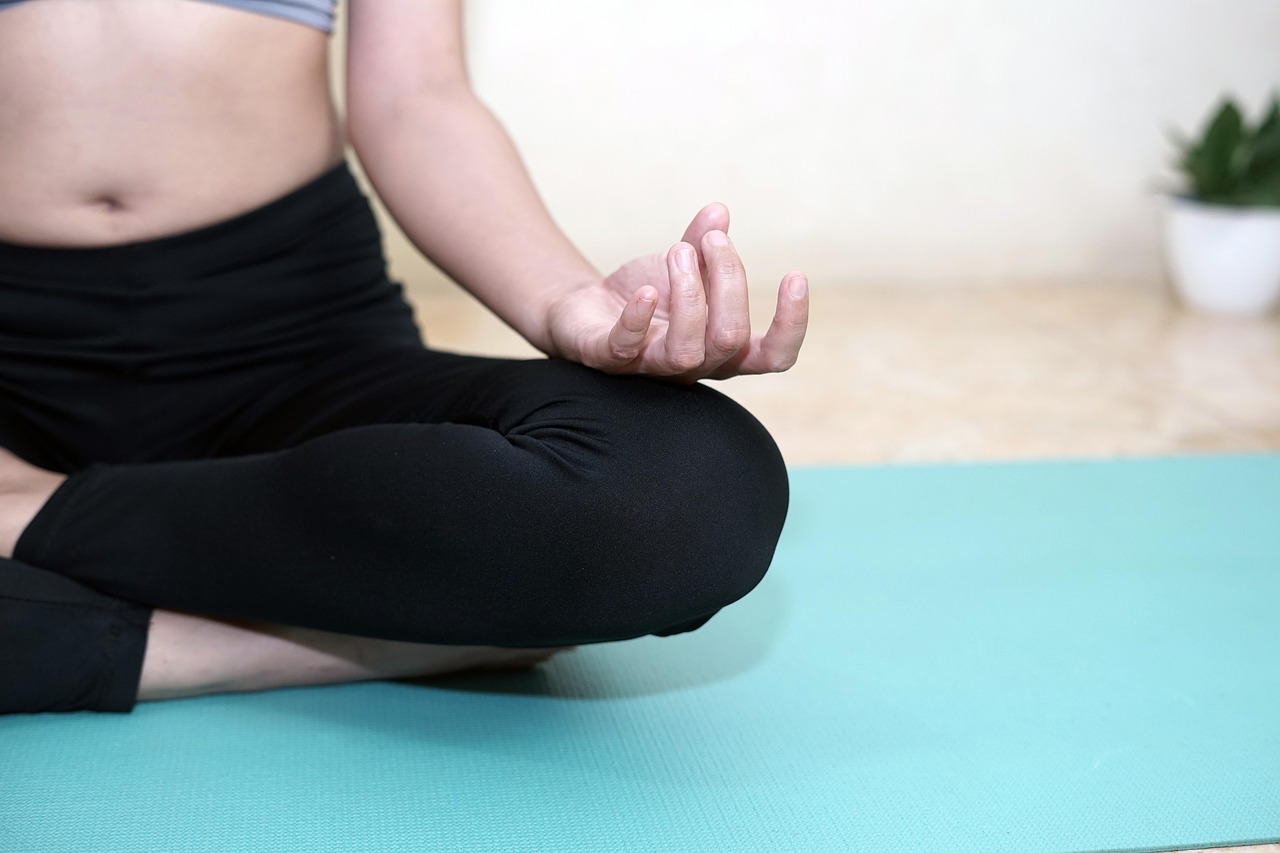

Pilates Tips for Beginners: Doing It Right at Home
Pilates is a fantastic workout regime known for enhancing flexibility, strength, and body awareness. Starting Pilates at home can be both rewarding and challenging. This article provides fundamental tips for beginners to ensure you’re doing it right at home. First, find a comfortable space and clear the area of any distractions. You need to focus fully without interruptions, which helps in concentrating on your movements. Owning a mat can significantly improve your workouts since it provides stability. You can also add props like resistance bands, small weights, or a stability ball to enhance your practice. Make sure your clothes are comfortable and allow you to move freely. You don’t need expensive equipment or studios; the key is to use your body’s weight for resistance. Practicing regularly will help you master the movements and reap the benefits of Pilates. Set clear goals and track your progress to stay motivated as you improve your practice. Also, utilize online resources like tutorials or classes designed for beginners to guide you through proper techniques. Explore the world of Pilates, and enjoy the journey to a healthier you.
Understanding the Basics of Pilates
To begin with, it’s essential to understand the principles of Pilates, including concentration, control, centering, precision, breathing, and flow. Concentration means focusing entirely on your movements, while control emphasizes doing movements with awareness. This awareness directly translates into better muscle engagement and reducing injury risk. Centering refers to the right positioning of your body through controlled activation of your core muscles. Precision ensures each movement is effective and intentional. Using proper breathing techniques can advance your practice significantly, improving oxygen flow, and enhancing relaxation. Flow signifies fluidity and the smooth transitions between movements. Beginners should prioritize mastering foundational exercises before moving onto advanced techniques. Aim for a steady, consistent routine while gradually increasing your effort. As you practice these essentials, performance quality will enhance over time. Incorporating calming techniques, like mindful breathing during your session, can help reduce stress and improve your overall experience. Accept that every Pilates journey is unique and requires patience as you develop strength and flexibility. Remember, even small improvements deserve celebration. Stay committed, and practice regularly for the best results. This is the beautiful beginning of discovering the transformative power of Pilates.
As a beginner, it’s easy to become overwhelmed with new movements and techniques. A great way to simplify your learning is by starting with basic exercises. Some beginners’ favorite Pilates exercises include the Hundred, Roll-Up, and Leg Circles. The Hundred helps warm up the body while engaging your core, making it an essential start. Ensure your shoulders are relaxed, and you’re breathing consistently during this exercise. The Roll-Up focuses on spinal articulation, promoting strength in your abs and flexibility in your spine, a great tandem. Leg Circles, on the other hand, engage your core while working on leg strength and stability. You can modify each of these exercises based on your flexibility and strength levels. Opt for less challenging variations until you feel comfortable performing the movements correctly. It is better to perform these exercises slowly and with proper techniques rather than rushing through them. Document your workouts to track your progression, focusing on mastering techniques rather than performing more advanced moves too soon. Slowly increasing intensity over time leads to sustainable results. Staying physically active through Pilates means staying motivated in your fitness journey.
In addition to mastering exercises, maintaining good form is crucial for your success. Proper posture ensures that you’re working the right muscles while reducing the risk of injury. Be mindful of your alignment throughout your exercises. For instance, your shoulders should remain relaxed, and your spine should maintain its natural curve. Focus on engaging your core throughout the workout to stabilize your movements. When performing Pilates, it’s vital to listen to your body and avoid pushing through pain. Modify exercises if necessary, using props or changing the angle for increased comfort. Utilizing mirrors or filming your practice can also offer valuable feedback on your form. It’s also incredibly beneficial to warm up before starting your Pilates routine to prepare your muscles, which enhances performance. Stretching and practicing deep breathing often prepares both your mind and body effectively. As you progress, gradually introduce variations to continue challenging your body while preserving your form. Consistency is paramount. Establishing a regular routine helps reinforce the habit, leading to incremental improvements. Dedicate a few minutes daily to Pilates to experience benefits, and remember to enjoy yourself!
The Importance of Consistency
Consistency is undeniably a critical element in mastering Pilates as a beginner. Setting a regular workout schedule can instill a sense of discipline and motivation, allowing every session to count toward progressive physical skills. Try to commit to at least three workouts weekly to build strength and flexibility. A consistent approach guarantees your body adapts and improves over time, but consistency doesn’t have to mean long hours of practice. Even shorter daily sessions can be effective if done regularly. Utilize your calendar to schedule workouts like you would for an appointment. Choose varying times that suit your lifestyle while reflecting on how these sessions positively affect your mood and energy levels. Engaging with an online community or finding a workout buddy can provide additional encouragement, making Pilates a fun and social experience. Share your goals and progress with others to stay accountable. Consider practicing alongside others to motivate each participant; it encourages adherence to your goals collectively. Celebrate reaching your milestones, as these accomplishments boost your confidence. Consistency also equips you with the tools to fluently transition from beginner postings to advanced levels gradually.
Nutrition plays an equally significant role as you advance your Pilates practice. Ensuring you fuel your body with the right foods creates the perfect environment for improved performance, energy, and recovery. Focus on incorporating lean proteins, healthy fats, and complex carbohydrates into your daily meals. Tiny adjustments can significantly enhance your workout performance. For instance, hydration is fundamental; ensure you drink ample water before and after workouts. Additionally, consider having a balanced snack or light meal an hour before your sessions to maintain energy. Foods rich in vitamins, minerals, and antioxidants are invaluable for your overall health, contributing positively to workout recovery. Reaching out to nutritionists and tailored dietary plans can empower you to achieve your specific fitness goals. Experiment with meal prep methods to streamline your healthy eating habits. Keep in mind that each person’s nutritional needs vary; understanding what works best for your body is crucial. Since Pilates emphasizes alignment and mindfulness, similar attitudes toward your nutrition will likely yield benefits. Pairing nutrition and consistent practice leads to maximized results and greater health improvements.
Setting achievable goals is a fundamental step as you embark on your Pilates journey. Rather than overwhelming yourself with lofty ambitions, begin with small, measurable goals that promote a sense of accomplishment. For instance, committing to regular practice every week or mastering a certain exercise can serve as benchmarks to celebrate. Document your progress through workouts, noting improvements in form or flexibility. Celebrate reaching minor milestones, as they are just as essential as larger achievements and will foster motivation. Openly share your goals with family and friends to enhance accountability, and encouraging support will create a positive atmosphere surrounding your practice. Additionally, visualization techniques can be beneficial; imagining yourself accomplishing these goals encourages you in your practice. As you consistently practice Pilates, allow room for adjustments in your expectations by listening to your body. Lastly, remember that results take time; patience is essential. You might experience physical and emotional shifts on this journey, promoting a more balanced lifestyle. Maintaining commitment to steady progress will help you embrace the transformative effects Pilates can provide, ultimately enriching your well-being.
In summary, Pilates is a wonderful workout that can immensely benefit beginners performing at home. To get started, focus on the basics, prioritize proper form, maintain consistency, choose a nutritious diet, and set achievable goals that foster healthy habits. Ensuring that your environment is conducive to focusing on your practice helps maximize your benefits. With regular practice of Pilates, you not only strengthen your core and muscles but also cultivate mental resilience, balance, and overall well-being. Consider integrating various online resources such as videos or virtual classes specifically designed for beginners to enhance your learning experience. Remain open to modifications and adjustments, allowing your practice to grow based on your needs. Lastly, celebrate your achievements, whether small or large, as these victories are worth acknowledging. Allow your Pilates journey to elevate your fitness routine while enjoying the process. As you continue to improve and overcome challenges, the journey unfolds, revealing the true impact of regular practice. Welcome to this new and vibrant path toward understanding your body, cultivating strength, and finding confidence in your abilities through Pilates.