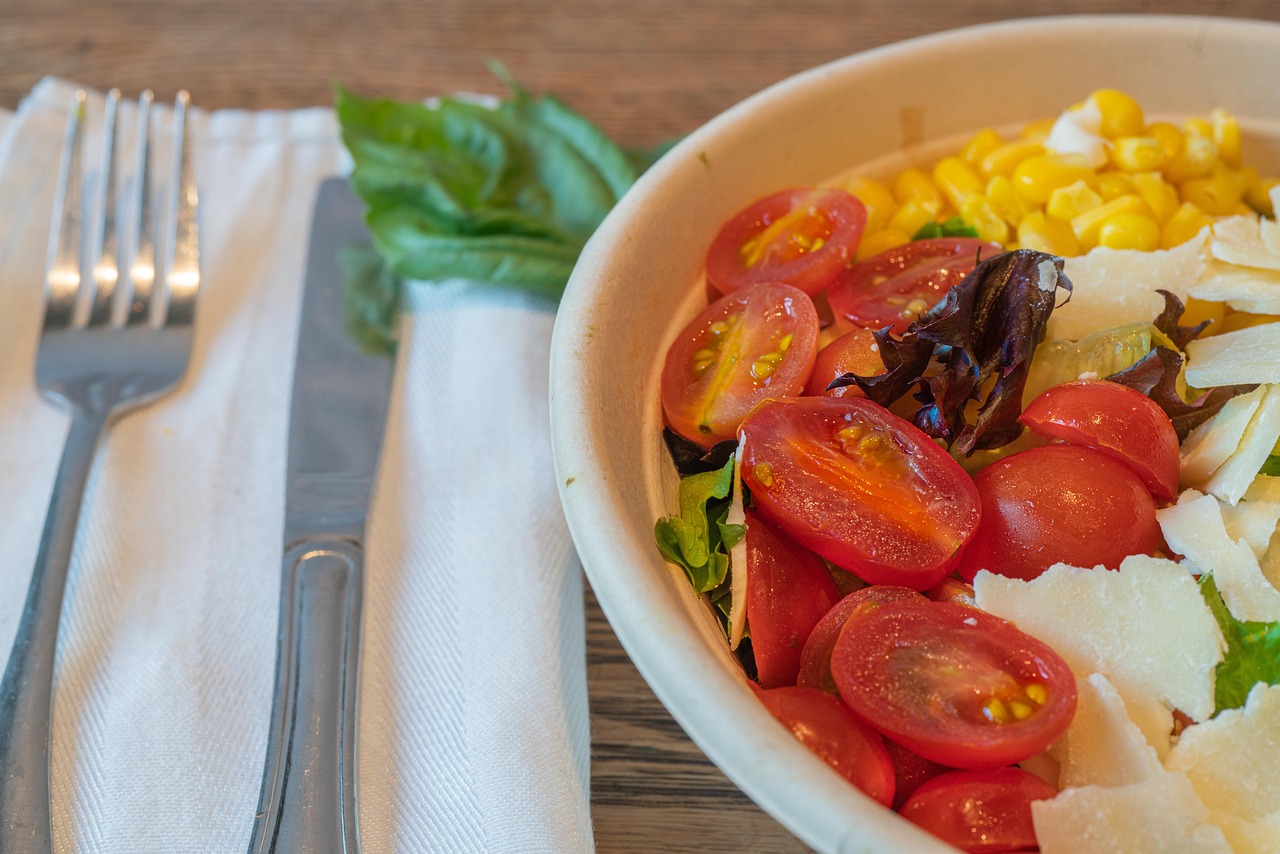

How to Plan Your Vegetarian Meals for the Week
Planning your vegetarian meals for the week can be a game changer for maintaining a healthy diet while saving time and money. Start by setting aside a specific time each week, like Sunday afternoon, to prepare your meals. Create a meal plan that outlines breakfast, lunch, dinner, and snacks for each day. Choosing seasonal vegetables and fruits will not only enhance the flavors but also keep costs low. Prepare a shopping list based on your meal plan, ensuring you have all the essentials. Don’t forget staples like grains, legumes, and nuts, which are crucial for a balanced vegetarian diet. When shopping, try to buy in bulk where possible to save money on items like quinoa, rice, and dried beans. Consider checking local farmer’s markets for fresh produce. Additionally, look for recipes that can be made in batches and freeze well, as this will save time during busy weeknights. Experiment with flavors and spices to keep meals exciting and varied throughout the week.
Batch Cooking for Ease
Batch cooking is an excellent strategy for anyone embarking on a vegetarian meal prep journey. Start by choosing a few recipes that can be made in large quantities, such as soups, stews, or casseroles. These dishes are often even tastier after sitting a day in the fridge. Moreover, they can easily be portioned out and frozen for future meals. Invest in quality storage containers that are freezer-safe and microwave-friendly. Label your containers with the date and contents to keep track of what you’ve prepared. This makes it easier to grab meals on the go or during busy weekdays when cooking seems daunting. Incorporate a variety of vegetables to ensure you are receiving all necessary nutrients, particularly ones high in protein like lentils, chickpeas, or tofu, for sustenance. Every few weeks, refresh your batch recipes to keep the menu lively and appealing. Meal options can include lentil soup, vegetable curry, or quinoa salads, each packed with vitamins and minerals. All of these strategies help reduce prep time while keeping your diet wholesome and fulfilling.
In addition to batch cooking, prepping ingredients ahead of time can greatly simplify your week. Take a few hours each week to chop vegetables, wash greens, and store them in airtight containers. For instance, having pre-cut cucumbers, bell peppers, and carrots can make snacking or salad preparation incredibly quick and easy. Additionally, consider cooking grains such as rice, quinoa, or farro in advance to complement your meals effortlessly. Store these grains in the fridge and combine them with cooked vegetables or protein sources daily. Prepping snacks is equally vital; consider portioning out hummus with veggie sticks or creating snack boxes with nuts, dried fruits, and trail mix. This ensures that you are always equipped with healthy options instead of reaching for less nutritious snacks. Fluctuating hunger can lead to impulsive eating choices, thus always prepare. Keep your kitchen organized and clutter-free; this promotes greater efficiency in meal preparation. Embrace the joy of vegetarian cooking and savor the vibrant colors and tastes that come from your efforts.
Using a Variety of Vegetables
When planning your meals, it’s essential to include a diverse range of vegetables to ensure you’re getting a variety of nutrients. Different vegetables provide specific vitamins and minerals, which are crucial for overall health. Aim for colors on your plate by incorporating leafy greens, red and orange vegetables, and cruciferous options. Create a rainbow effect with your meals using ingredients such as spinach, carrots, broccoli, bell peppers, and tomatoes. Each color represents unique health benefits. You can also explore cooking methods—try steaming, roasting, grilling, or stir-frying to discover flavors and textures you love. Don’t forget herbs and spices that can elevate your vegetarian dishes even further. To keep things interesting, change your vegetables each week to explore seasonal offerings or go beyond your usual favorites. Consider researching new recipes that feature the vegetables you’ve never cooked before. This exploration expands your palate and encourages creativity in the kitchen. Embracing variety will make meal times more enjoyable and ensure that your body receives the essential nutrients it craves for optimal health.
Investing in quality kitchen tools and gadgets can significantly enhance your meal prep efficiency. Consider appliances such as a slow cooker, pressure cooker, or food processor, which can save you considerable time. A slow cooker is ideal for soups or stews, allowing you to throw in ingredients and let it cook while you focus on other tasks. Conversely, a pressure cooker can drastically reduce cooking times for grains or legumes. A food processor can effortlessly chop vegetables, blend smoothies, or create dips such as pesto. If you prefer less hands-on cooking, consider buying pre-chopped vegetables or easy-to-assemble recipe kits available online or in stores. These kits typically offer several vegetarian meals in one package, including everything you’ll need to create delicious dishes throughout the week. This option saves prep time significantly, allowing you to focus more on enjoying your meals rather than the preparation process. Ensure your kitchen is equipped with essentials like cutting boards, measuring cups, and knives to facilitate cooking without hassle when you feel inspired to whip up something new.
Keeping Meals Balanced
Maintaining a balanced diet is crucial, particularly in vegetarian meal planning. It is essential to include macronutrients from all food groups; focus on essential proteins, complex carbohydrates, and healthy fats. You achieve this by incorporating a combination of legumes, whole grains, and healthy oils into your meals. For protein-rich sources, consider options like beans, lentils, or tofu. Grains such as quinoa and brown rice provide lasting energy through complex carbohydrates. Healthy fats can come from sources like avocados, nuts, seeds, or olive oil, which can aid digestion and promote heart health. To ensure proper balance, make it a habit to check each meal you prepare, confirming that all components are present. Try using meal planning apps or templates that help visualize your meals and their nutritional balance. Additionally, track your intake for a complete understanding of what you are consuming daily. This practice encourages you to adjust meals if certain nutrients are lacking or excessive. Following this method will lead you to a healthier lifestyle, supporting achievement of personal fitness or health goals effectively.
Lastly, don’t forget to enjoy the process of vegetarian meal prepping! Learning how to cook new dishes, experimenting with flavors, and discovering various cuisines can turn meal prep into an exciting adventure rather than a chore. Each step of the preparation process can be therapeutic; put on music, light a candle, and take your time. Share meals with family or friends to create a social experience around cooking. Consider hosting a meal prep party, where you and your friends can cook together, divide the meals, and enjoy each other’s company. Try swapping meals with friends for additional variety. The excitement can bring new inspiration into your cooking routines. Use social media platforms like Instagram or Pinterest to find new vegetarian recipes or meal preparation tips, helping to fuel your creativity further. Remember to document your own experiences; this reflection contributes to your culinary journey. Revel in enjoying delicious, wholesome meals you’ve prepared with your own hands, reinforcing the benefits of a vegetarian diet while fostering healthy eating habits.
In conclusion, planning vegetarian meals doesn’t have to be overwhelming. By implementing these strategies and tips, you can streamline your meal preparation and create a diverse, nutritious menu for the week ahead. It all begins with good planning, such as batch cooking and prepping ingredients to ensure speedy access during the week. Incorporating a variety of vegetables and maintaining balance will keep your meals satisfying and nutritionally sound. Investing in quality kitchen tools will make your cooking experience more enjoyable and efficient. Remember that cooking should be fun; embrace the learning process and encourage creativity in your meal prep journey. Sharing meals with others enhances the experience and builds community around healthy eating habits. Engaging with social platforms provides further assistance and inspiration within the plant-based community. As you explore different flavors and ingredients, you will develop culinary confidence and a passion for vegetarian cooking. Follow this comprehensive guide and watch your skills develop, leading to a delicious and sustainable vegetarian lifestyle. Happy cooking and bon appétit!