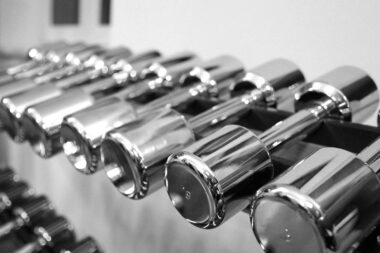
Combining Resistance Training with Flexibility Exercises
Resistance training and flexibility exercises together can provide a balanced workout routine. Engaging in resistance training helps build muscle strength and endurance, while flexibility exercises promote a wider range of motion and decrease injury risk. Incorporating both types of exercises not only enhances physical fitness but also improves overall performance in daily activities. The synergy between strength and flexibility allows for better movement patterns, aiding in functionality and athletic performance. For instance, individuals who perform both types of training are less likely to encounter strains and sprains, which can occur due to tight muscles or inadequate strength. Additionally, the enhanced blood circulation from flexibly exercises can contribute to quicker recovery times from resistance training workouts. Stretching post-resistance workout is particularly beneficial, as it helps in the restoration of muscle length and relaxation, minimizing stiffness. Combining these workouts can also be time-efficient, as one can alternate between strength and flexibility exercises in each session, leading to comprehensive training benefits. Overall, incorporating core strength and flexibly elements can make for a challenging yet rewarding routine, leading to a fit and well-rounded physique in the long run.
Delving deeper, it’s essential to analyze the variety of resistance training methodologies available. These can range from using free weights, machines, and resistance bands to bodyweight exercises. Each method provides unique benefits that can be tailored to individual fitness goals. Free weights, for example, are great for overall muscle development and functional strength as they require stabilization. Machines, on the other hand, may be preferable for beginners as they often guide the body through the movement, ensuring proper form. Bodyweight exercises can also be highly effective at improving strength and flexibility simultaneously, as they utilize the body’s own weight as resistance. Furthermore, understanding how to progress in resistance training is vital. Gradually increasing weights, modifying resistance levels, or altering the number of repetitions and sets can all contribute to growth in strength. Listening to the body and allowing adequate rest between resistance training sessions is crucial for recovery, preventing overtraining and injuries. In linking flexibility exercises into this mix, practitioners should choose techniques like static stretching, dynamic stretching, or even yoga. Regularly integrating these techniques will maximize the benefits derived from resistance workouts, ultimately resulting in a healthier, stronger body.
Before diving into specific exercises, it’s important to understand the role of warm-ups and cooldowns in a regimen that combines both resistance and flexibility training. A proper warm-up prepares the body for physical activity, which could include light cardiovascular activities or dynamic stretches that mimic the movements to be performed. Ensuring that muscles are warm and prepared reduces the risk of strain and enhances performance. Similarly, cooldowns help bring the heart rate down and promote muscle recovery through gentle stretching or low-intensity exercises. This period allows the muscles to return to their resting lengths gently, aiding in comfort and flexibility. A well-designed warm-up and cooldown can ensure that both resistance training and flexibility exercises complement each other effectively. When performed correctly, individuals find that they are not only less prone to injuries but also experience improved results in muscle gains and flexibility. Moreover, creating a structured plan, including specific days for resistance training mixed with flexibility workouts can be advantageous. This structure enhances motivation and commitment, encouraging individuals to remain consistent with their exercise regimes over time.
Importance of Stretching Post-Workout
One critical aspect often overlooked is post-workout stretching, especially when incorporating resistance training into a routine. Stretching after intense workouts contributes significantly to muscle recovery and flexibility enhancement. When muscles are subjected to resistance training, they undergo micro-tears which need proper recovery to rebuild stronger. Engaging in post-workout stretching can alleviate some tension built during strength training, preventing muscle stiffness. It can also aid in reducing soreness, positively impacting future workout sessions. For example, static stretches targeting the primary muscle groups worked during resistance training will help restore optimal muscle function. Furthermore, these stretches promote increased blood flow, facilitating faster healing by delivering vital nutrients to tired muscles. Incorporating various stretches that emphasize both static and dynamic motions can maximize the flexibility benefits derived from the routine. Practitioners should aim to hold stretches for 15-30 seconds and repeat them around two to three times. This approach not only maximizes flexibility gains but also prevents the rebound effect of muscle shortening, ensuring that the muscles maintain their working length post-resistance workouts. A streamlined approach like this fosters a greater balance of strength and flexibility over time.
Working on muscle strength and flexibility can also influence athletic performance. Athletes discover that integrating both disciplines into their training helps refine their abilities. For instance, activities such as running, jumping, or cycling require not only strength but also flexibility to perform optimally. Muscles that are too tight can limit performance by hindering the full range of motion required in these activities. Therefore, a well-rounded program that incorporates resistance exercises for strength, followed by flexibility exercises targeting those worked muscles, ensures peak athletic performance levels. Science supports that effective muscle recovery coupled with increased flexibility indeed translates into enhanced performance metrics, whether it be faster running times, higher jumps, or longer endurance. Moreover, individuals engaged in sports should consider structured periods of strength and flexibility training throughout their competitive season. Setting specific goals for both disciplines can help track progress and identify areas needing improvement. With tailored programs, athletes achieve noticeable improvements in not only their athletic skills but also their overall fitness, reducing the risk of sports-related injuries significantly.
Practical Recommendations for Combining Exercises
For anyone wishing to combine resistance training with flexibility exercises, some practical recommendations can enhance overall success in their fitness journey. First, developing a balanced weekly workout routine is vital, featuring alternating days between resistance and flexibility workouts. This routine ensures recovery while reinforcing aspects of both strength and flexibility. Progressively increasing weights in strength sessions and varying the types of flexibility stretches will keep the routine engaging and productive. Integrating full-body routines that incorporate both lifting weights and stretching can keep workouts efficient and save valuable time. Sessions don’t necessarily have to be lengthy; even short bursts of 30 minutes, two to three times weekly, can yield significant results over time. Focusing on specific muscle groups during each workout will help improve both strength and flexibility simultaneously. Additionally, consultation with a personal trainer or fitness professional would help tailor a program suited to individual fitness levels and goals. Finally, self-monitoring your body’s responses to the rigors of training is imperative. Understanding when to push harder while recognizing the signs to rest is crucial for long-term success in blending resistance training with flexibility exercises.
In conclusion, the marriage of resistance training with flexibility exercises paves the way for a well-rounded workout regime that emphasizes overall health and wellness. Practitioners will benefit from enhanced strength, improved flexibility, reduced injury risk, and greater performance capabilities by engaging in both types of exercises. By weaving a structured approach into their fitness programs, individuals can enjoy a comprehensive regime that addresses various aspects of physical fitness. A combination of progressive resistance and thoughtful stretching techniques creates a symbiotic relationship that nurtures both muscle and motion. Remembering the importance of warm-ups before beginning resistance training and cooldown stretches afterwards also aids in fostering this relationship. This balance permits individuals to unlock their full potential in their personal fitness journey, enabling them to achieve their desired goals whether for competitive sports or personal health. Ultimately, incorporating both resistance and flexibility exercises is not merely advisable but essential for anyone striving to maintain long-term vitality and strength. Overall, this dual approach reflects a robust understanding of the human body, nurturing it not just for the challenge of fitness but for optimal everyday living as well.