
Weight Maintenance Challenges? How Community Help Can Make a Difference
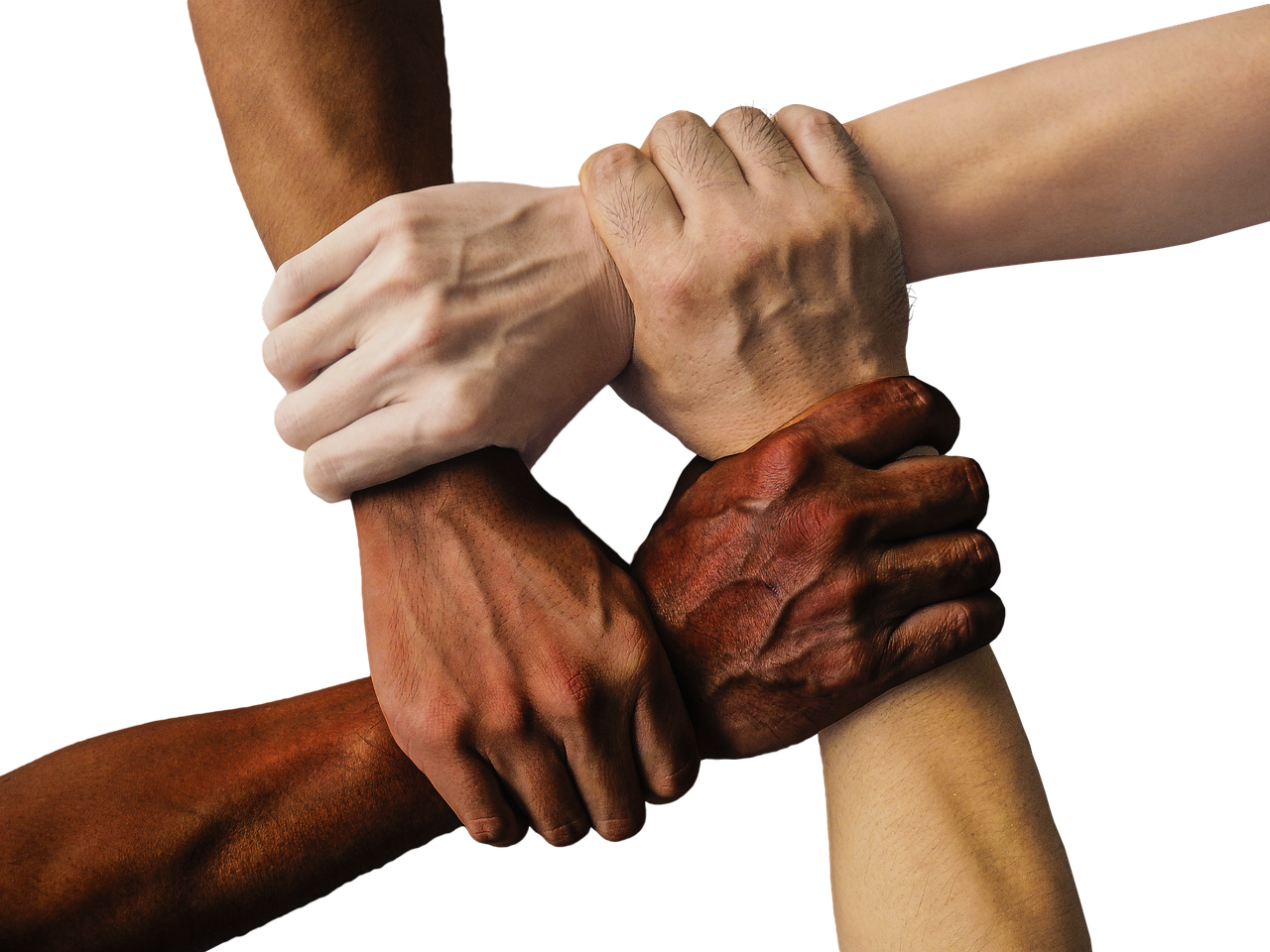
Maintaining weight after achieving your goal can be daunting. Many face hurdles like emotional eating, lack of motivation, and feeling isolated. These challenges make it difficult for individuals to stay committed, leading to regaining lost weight. However, building a community can uplift and support those in need. Support groups foster camaraderie, allowing members to share their struggles, successes, and tips. Interacting with like-minded individuals creates an atmosphere of accountability which can be invaluable. Accountability helps enforce healthy habits and keeps everyone on track, even during tough times. Regular meetups encourage sharing of recipes, workout routines, and wellness strategies. Additionally, listening to others’ experiences offers new perspectives, making them feel less alone in their journey. Ultimately, leveraging community support can be a game-changer in weight maintenance. Many find strength in discussing obstacles while being surrounded by positive influences. Such gatherings inspire people to prioritize health, transforming lifestyles. In summary, a sense of belonging within a supportive community can lead to profound changes in attitudes towards weight maintenance.
Social connections significantly impact weight maintenance success and sustainability. When individuals are surrounded by supportive members, they develop lasting relationships. These relationships can serve as a foundation for encouragement and motivation, fostering the ability to overcome any struggles that arise. Group interactions provide a continuous source of inspiration and learning opportunities, where each person brings unique insight to the table. Such interactions often emphasize collaborative problem-solving when faced with challenges, making each member feel valued and understood. Building bonds with others can lead to friendships that extend beyond the group. Participants often exchange personal stories that resonate deeply, creating a sense of belonging. Moreover, the emotional support received can help alleviate feelings of guilt or shame surrounding food choices or lifestyle deviations. Within these groups, members can practice sharing their achievements, no matter how big or small, which further reinforces positive behaviors. Moreover, utilizing social media for connection is another excellent avenue for building these relationships. Online communities can provide around-the-clock support, especially when it’s difficult to access face-to-face interactions due to time constraints or geographical distances.
The Role of Accountability in Weight Maintenance
Accountability is a critical element in successful weight maintenance strategies. When individuals share their goals with the community, they increase the likelihood of staying committed. The presence of peers can motivate individuals to adhere more closely to their dietary and workout plans. Regular check-ins, whether virtual or in person, help maintain focus on long-term objectives and ensure that members remain engaged in achieving those goals. Embarking on weight maintenance alone poses tempting opportunities to stray from personal guidelines. On the other hand, community accountability creates a safety net. Members inspire one another to resist temptations while providing constructive feedback during challenging moments. Sharing setbacks can be freeing, and learning how others overcame similar obstacles can offer valuable insight. This kind of mutual support fosters resilience, empowering individuals to continue pushing through difficult phases. In addition, having scheduled group activities, such as workout sessions or cooking classes, can keep members motivated and committed to their health journey. Engaging in shared mission activities strengthens community bonds while reinforcing individual accountability efforts, resulting in an overall positive environment.
Health education plays an important role in maintaining weight effectively. Community groups can offer specialized workshops on nutrition and healthier cooking techniques, enhancing participants’ understanding of what they eat. This knowledge equips individuals to make healthier choices. Engaging discussions on the impact of various food options can lead to informed decisions, particularly as healthier habits form over time. Additionally, communities often share recipes rich in nutrients and full of flavor, breaking the stereotype that healthy eating is bland. Members are encouraged to bring their own recipes for discussion, fostering an environment of creativity and empowerment. Proper education sources lift the veil on myths surrounding dieting, explaining why specific diets work, or not. Addressing misconceptions can reduce confusion, allowing members to focus on practical advice that can be integrated into their daily lives. As knowledge increases, so does confidence in making healthier choices. This process helps create a more informed community that can support one another in sustainable weight management practices. Thus, health education serves as a backbone for fostering informed discussions about weight maintenance within the group.
Shared Experiences and Their Impact
Sharing experiences allows community members to bond over their journeys and challenges. Many find solace in discussing personal stories, emphasizing that they are not alone in their struggles. Personal anecdotes help nurture empathy and understanding amongst peers who may feel hesitant to share their issues. When someone openly discusses a setback or a challenge, others are more likely to follow suit, creating a cascade of supportive conversations. This supportive environment encourages openness and vulnerability, where members can relate to each other on a deeper level. Furthermore, the sharing of triumphs serves as inspiration, sparking hope for others who may still be struggling. Collective celebrations of these achievements encourage others to strive for their personal goals. Celebrating milestones—big or small—serves as a powerful motivator, reinforcing the idea that weight maintenance achievements are possible. Conversation topics can range from fitness routines to emotional strategies and coping mechanisms, enriching everyone’s understanding of how to maintain a healthy weight. As members share their journeys, a culture of respect and encouragement is cultivated. This unique dynamic keeps relationships strong and promotes resilience among individuals striving to uphold their commitment to healthy living.
Incorporating fun activities into community weight maintenance programs can enhance engagement and motivation. Instead of focusing solely on workouts, communities often host various events like cooking classes, hike challenges, or group sports. These activities foster teamwork while helping members bond over shared experiences. Organized challenges, such as step counts or food journals, can create friendly competition that fuels motivation. This sense of healthy rivalry promotes consistent participation, resulting in better long-term habits. Moreover, having fun together can alleviate pressure around weight maintenance, emphasizing enjoyment rather than strife. People engage more actively with the community when activities are enjoyable rather than tedious. As laughter and connection are interwoven into these experiences, it also strengthens social bonds. Regularly engaging with others through fun and interactive activities cultivates lasting commitments to well-being. By making group activities enjoyable, members are more likely to continue participating and sharing their successes. Finally, this collective positivity creates an atmosphere where hard work is celebrated and appreciated. In this dynamic, weight maintenance becomes not solely an individual effort but a community celebration of healthy, fulfilling lifestyles.
Conclusion: The Importance of Community in Achieving Weight Maintenance
Community support remains essential for successful weight maintenance, enriching individual experiences. On this journey, having shared support can mitigate feelings of isolation and provide resources for overcoming obstacles. Engaging in dialogue, sharing knowledge, and celebrating milestones together nurtures a holistic environment for growth. Those within supportive groups generate space to share personal achievements while exchanging valuable insights that guide healthier choices. The various dimensions—accountability, education, shared experiences, and enjoyment—underscore how communities can transform individual efforts into collaborative successes. By participating in a community oriented towards weight maintenance, individuals often experience a deeper sense of commitment and resilience. This network creates a backbone for healthy lifestyle habits, reinforcing the belief that achieving goals is attainable. Collectively championing each other’s successes becomes integral to the journey. Ultimately, community serves as an unparalleled source of unwavering support, emphasizing that weight maintenance need not be a solitary endeavor. Harnessing these communal connections establishes a foundation for lasting change, inspiring members to pursue healthier futures.