
The Link Between Hydration, Muscle Function, and Lifting Safety
Proper lifting techniques are crucial in preventing injuries while enhancing efficiency in any manual handling task. Adhering to correct posture during lifting can significantly reduce strain on muscles and joints. When lifting, ensure to keep your feet shoulder-width apart for stability. Bend at the hips and knees, not your back, as this allows your legs to support the weight. Keep the load close to your body to minimize leverage on the spine. Utilize your core muscles to maintain stability, which can be key in preventing back injuries. Moreover, remember to lift with your legs, maintaining a straight back. This method not only enhances safety but also promotes better muscle function across your body. Proper hydration is also vital; dehydration can lead to muscle cramps, fatigue, and increased risk of injury. Therefore, drink water regularly to maintain optimal fluid levels. Awareness of these techniques can lead to a culture of safety and wellness in the workplace. Ensuring proper hydration and lifting techniques will ultimately contribute to a more productive and injury-free workplace.
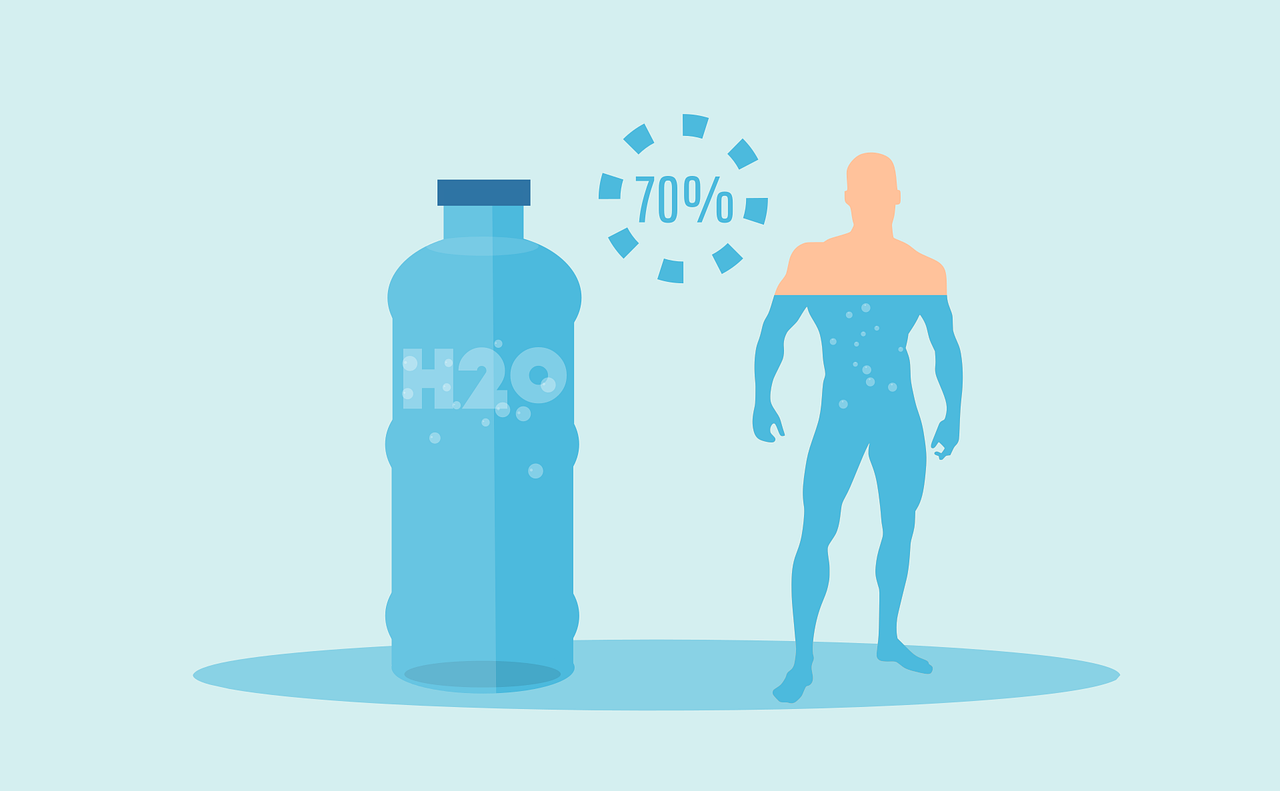
Hydration plays a pivotal role in muscle function, especially when lifting heavy objects. Water aids in the transport of nutrients crucial for muscle performance and assists in regulating body temperature. Without adequate hydration, muscles can become fatigued more quickly, which diminishes lifting capacity and promotes injuries. Therefore, educate yourself and your team on the importance of drinking water before, during, and after lifting activities. Listen to your body’s signals; feeling thirsty is a clear indicator that you need fluids. An easy way to monitor hydration is by checking the color of your urine, which should ideally be light yellow. Proper balancing of electrolytes is also essential during heavy lifting; consider incorporating electrolyte-rich beverages if you work long hours or in hotter environments. Additionally, nurture a habit of taking breaks and hydrating regularly, which will enhance overall performance and safety. In a workplace environment, offering easily accessible water stations will promote hydration among employees. Hydration is not simply a matter of health but a crucial factor in maintaining lifting efficiency and safety while minimizing injury risks.
Understanding Muscle Function in Lifting
Muscle function plays a significant role in the ability to lift safely and effectively. When lifting, the primary muscle groups involved include the quadriceps, hamstrings, back, and core muscles. Weakness or fatigue in these muscles can lead to improper lifting mechanics and increase the likelihood of injuries such as strains or sprains. It’s crucial to incorporate strength training exercises that target these areas to improve muscle function before engaging in lifting tasks. Strengthening exercises, such as squats, deadlifts, and core stabilization workouts, enhance overall muscle resilience. Furthermore, regular exercise increases blood circulation to muscles, ensuring they receive the oxygen needed for optimal performance during lifts. Recognizing signs of muscle fatigue is equally important; stop lifting when you begin to feel excessive fatigue, as it compromises stability. Promote a work culture that emphasizes the importance of physical conditioning and routine checks on one’s strength levels. Educating employees about the mechanics of lifting and the functionalities of their muscles can lead to significant improvements in workplace ergonomics.
Another aspect to consider is the relationship between mental awareness and lifting techniques. Engaging in mindful practices promotes better posture and enhances muscle function. Focus on maintaining a neutral spine and proper alignment during lifts. Ground your feet firmly and establish a strong base of support. Visualize the lifting process — proper visualization not only improves technique but also boosts confidence. Engage your core muscles, and do not sacrifice form for speed; this approach often leads to accidents. Also, prioritize warm-up routines that activate crucial muscle groups and increase blood flow before initiating any heavy lifting. That pre-lift routine can be simple yet effective, including dynamic stretches and light resistance exercises. Lastly, communicate openly regarding lifting responsibilities: when a load appears too heavy, ask for assistance or utilize lifting aids, such as dollies or hoists, instead of risking safety. This emphasizes the culture of safety in lifting, reinforcing that collaboration and communication are vital in maintaining ergonomic standards.
Effects of Dehydration on Performance
Dehydration can significantly affect lifting performance and overall physical capabilities. Even mild dehydration can lead to decreased strength, endurance, and cognitive abilities. Studies have shown that losing just 2% of body weight can impair physical performance drastically. This loss can cause symptoms such as dizziness, fatigue, increased heart rate, and muscle cramps, adversely affecting the lifting process. When engaged in heavy lifting or strenuous tasks, individuals must pay attention to hydration levels, especially during warmer months. Make it a point to set regular reminders to hydrate, ensuring that water consumption comes before and after physical exertion. To combat dehydration, individuals should consume fluids rich in carbohydrates and electrolytes. Furthermore, ensure easy access to hydration options throughout the workspace, encouraging consistent water intake among employees. Using hydration tracking apps can also motivate workers to reach their fluid intake goals regularly. Creating a culture centered around hydration and lifting safety will contribute to the overall health and wellbeing of the workforce, thus ensuring higher productivity and fewer injuries.
Incorporating proper lifting techniques, hydration, and muscle awareness creates a safer environment for various settings. Many workplaces face challenges related to lifting, which can lead to strains, sprains, and other injuries among employees. Providing training sessions on safe lifting practices alongside hydration education can significantly mitigate these risks. Sharing information about the importance of hydration can reinforce the vital role individuals play in their safety. Encourage frequent breaks for hydration during shifts to promote better health outcomes. Ongoing assessments of employees’ lifting techniques can also ensure that the appropriate ergonomics are being used correctly. Supervisors should motivate staff to stay vigilant about their lifting ergonomics and hydration strategies. Invest in ergonomic equipment that facilitates better lifting practices, such as lifting belts and trolleys. Safety audits can be regularly scheduled to ensure compliance with ergonomic standards and proactive approaches to injury prevention. Building a culture where employees feel comfortable reporting concerns or seeking help will ultimately improve overall workplace safety and efficiency.
Conclusion: Creating a Safe Lifting Environment
In conclusion, maintaining a safe lifting environment hinges on effective workplace strategies, hydration, and proper muscle function. Awareness, training, and providing accessible resources are paramount in achieving optimal ergonomics and safety protocols. Employees should be encouraged to routinely evaluate their lifting techniques, making adjustments as necessary, and regularly hydrating to support their physical performance. The interconnectedness of hydration, muscle function, and proper lifting practices cannot be overstated; neglecting any of these factors can lead to significant repercussions. Engaging employees in educational workshops and offering hands-on training can significantly enhance their understanding of these relationships. Create a standard operating procedure for lifting that outlines best practices, ensuring everyone stays informed and safe. Regularly revisiting safety protocols and hydration practices ensures a preventive approach rather than a reactive response to lifting-related injuries. Prioritizing a culture of safety, wellness, and education enhances workplace morale and productivity. Ultimately, fostering a safe lifting environment that prioritizes hydration will lead to long-term benefits not just for employees, but also for overall organizational health.
Investing in ongoing training, wellness programs, and supportive resources creates a culture of safety that permeates throughout the organization. Highlight success stories of employees who have adopted safe lifting techniques and have benefitted from increased strength and wellness. As a community, focus on the collective benefits observed when safety and ergonomic practices are prioritized. By recognizing the significant role hydration plays in lifting safety, employers can motivate workers to take proactive measures to ensure their health. Regular engagement with employees regarding lifting responsibilities empowers accountability. Establish clarity on roles during lifting tasks, creating both confidence and assurance among teams. Furthermore, encourage feedback on workplace ergonomics regularly to identify areas for potential improvement. Technology can play a pivotal role in driving ergonomic awareness; utilizing wearable devices that track posture and hydration levels can augment safety measures significantly. Foster an open community atmosphere, welcoming discussions on personal lifting techniques and health habits to enhance mutual learning. Empowering employees to take ownership of their lifting routines will foster a work environment of safety, teamwork, and productivity, with an overarching commitment to prevent injuries.