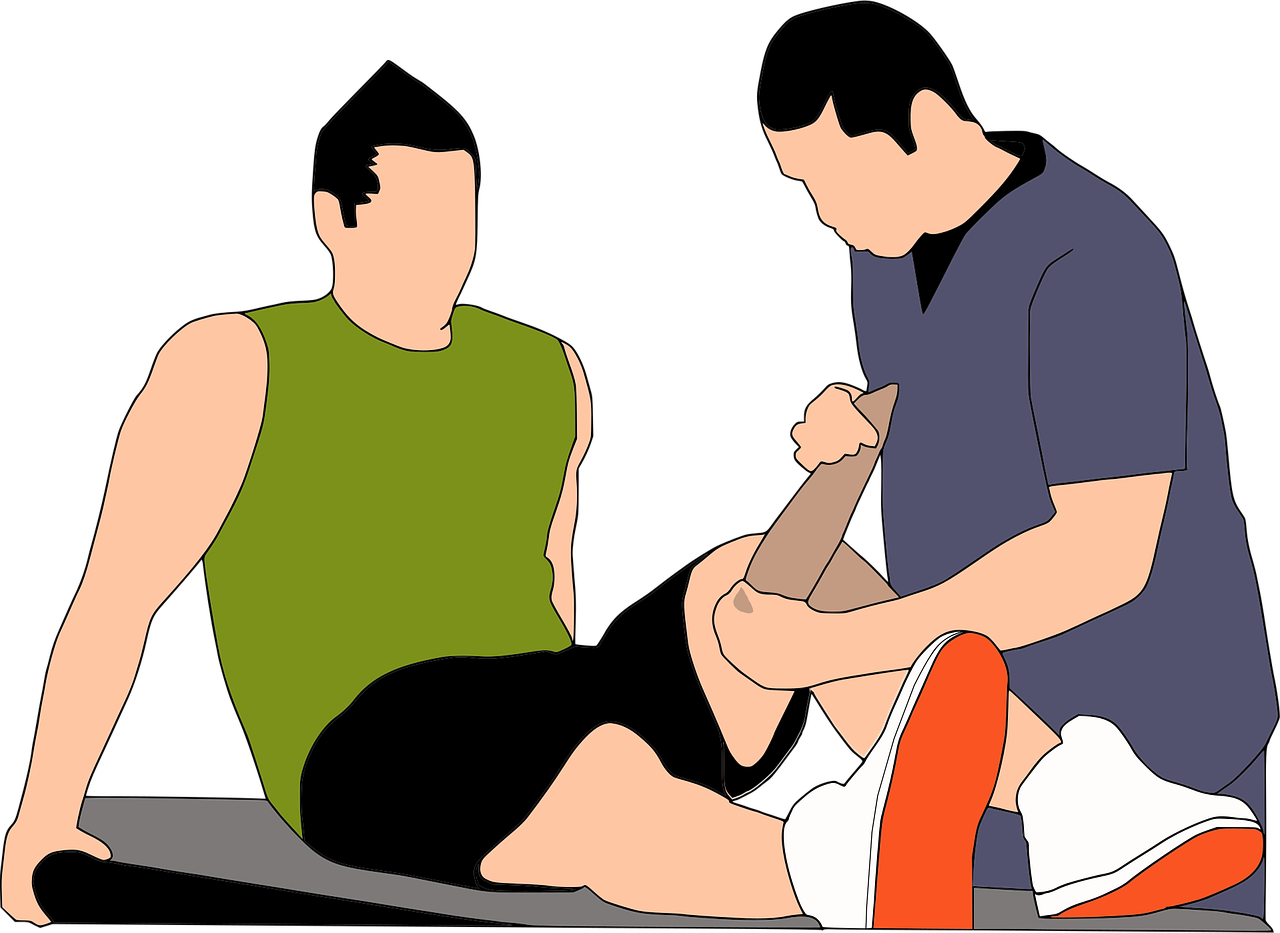

Recovery Techniques for Endurance Athletes
Endurance athletes often engage in demanding training regimens which put a considerable strain on their bodies. Recovery techniques are crucial for optimal performance and injury prevention. One effective technique is active recovery. In active recovery, athletes engage in low-intensity exercise following intense workouts to help muscles recover. This can include activities like walking or cycling at a leisurely pace. Another method is stretching, which can improve flexibility and reduce muscle stiffness. Incorporating a combination of static and dynamic stretches into the regimen helps maintain muscular balance. Additionally, proper hydration plays a vital role in recovery. After rigorous activities, drinking electrolyte-rich fluids aids in replenishing lost minerals. Athletes should also focus on nutritional recovery strategies. Consuming a mix of protein and carbohydrates within a 30-minute window post-exercise ensures quicker recovery of glycogen stores. Adequate sleep is equally essential, as this is when the body repairs itself. Thus, athletes can significantly enhance their performance levels by integrating these recovery techniques into their training weekly routines.
Another valuable recovery technique is massage therapy, which facilitates circulation and helps reduce muscle soreness. Regular massage sessions can alleviate tightness and enhance muscle function, contributing to superior overall performance. Additionally, foam rolling is a self-myofascial release technique that boosts recovery. This practice helps in breaking up the knots and tension in muscles, preventing stiffness. Many athletes also use contrast baths, alternating between hot and cold water immersion. This method can enhance blood flow and speed up recovery. Ice baths may alleviate inflammation and reduce soreness post-exercise. Implementing proper breathing techniques like diaphragmatic breathing can also help reduce stress levels. Lowered stress can improve recovery speed as higher stress leads to prolonged recovery periods. Furthermore, meditation or mindfulness can calm the mind and promote mental recovery. Athletes benefit psychologically from these practices, enabling their focus. Lastly, utilizing technology such as recovery apps can assist athletes in tracking their recovery progress. Monitoring sleep patterns and fatigue levels cultivates awareness, helping athletes take initiative in incorporating beneficial recovery techniques into their routines seamlessly.
The Importance of Food and Nutrients
Nutrition is a fundamental component of recovery for endurance athletes. Post-exercise, the body requires fuel to repair itself, making it vital to develop a strategic nutrition plan. Consuming meals rich in antioxidants helps combat oxidative stress caused by intense workouts. Foods like berries, nuts, and green leafy vegetables are excellent for this purpose. These foods enhance the body’s ability to recover from training sessions effectively. Moreover, protein intake is imperative for muscle repair and growth. Endurance athletes should aim for approximately 20-30 grams of protein in their post-exercise meal or snack. Additionally, including healthy fats can benefit recovery. Sources such as avocados, olives, and fatty fish contribute to reducing inflammation in the body. Simple carbohydrates are essential for replenishing glycogen stores post-training, such as fruits, honey, or whole-grain bread. Hydration cannot be stressed enough; athletes need to monitor their fluid intake closely, ensuring they maintain optimal hydration levels throughout training sessions. An excellent rule of thumb is to drink 16-24 ounces of fluid for every pound lost during exercise. Keeping a food and hydration diary enables tracking what works for an individual’s recovery objectives effectively.
Incorporating periodization into one’s training regimen can significantly enhance recovery. Periodization involves cycling different phases of training intensity, allowing the body adequate time to repair and strengthen between high-intensity blocks. Incorporating rest days intentionally in a training plan helps the body recover effectively during the less intense periods. It’s crucial to listen to your body; signs of fatigue or discomfort should prompt a reassessment of training practices. Athletes must learn the difference between normal fatigue and pain signaling injury. Identifying personal limits aids in preventing overtraining, which can hinder performance rather than enhance it. Additionally, utilizing ice therapy and heat therapy can help manage recovery times. Professional guidance from physiotherapists can provide tailored recovery advice specific to the athlete’s needs. Moreover, embracing community can be motivating; surrounding oneself with fellow athletes fosters shared experiences and recovery resources. Various forums and online communities exist where endurance athletes can discuss techniques and tips. Participating in group activities also contributes positively toward mental recovery, promoting a sense of unity and shared goals. Overall, when tailored divergence into training approaches aligns with recovery, endurance athletes are set for success.
The Role of Sleep in Recovery
Sleeping adequately is paramount for recovery among endurance athletes. While exercising places stress on the body, sleep enables recuperation. During sleep, vital processes such as hormone regulation and tissue repair occur. Without sufficient sleep, athletes may experience decreased performance levels, increased soreness, and prolonged recovery. Aiming for 7-9 hours of quality sleep each night is recommended for optimal recovery. Establishing a consistent sleep schedule helps regulate circadian rhythms and enhances overall sleep quality. Creating a conducive sleep environment can also aid significantly; ensuring the room is dark, quiet, and cool is essential. Limiting screen time and relaxing before bed by practicing relaxation techniques further promotes better sleep. Some athletes find using sleep apps handy to monitor their sleep patterns. These apps can assist in identifying areas of improvement in one’s sleep habits. Additionally, power naps during the day can rejuvenate athletes and enhance overall performance without compromising nighttime sleep. Listening to one’s body—understanding when the body requires extra rest—is key. Prioritizing recovery through sleep leads athletes toward achieving their performance goals with higher efficiency than without proper rest.
In terms of mental recovery, cognitive skills play an undeniable role in enhancing athletic performance. Techniques like visualization can boost motivation and improve overall mental preparedness. Endurance athletes should incorporate visualization practices regularly as a part of their training routines. Envisioning success in races or overcoming challenges fosters confidence during competitions. Similarly, understanding the significance of mental health allows athletes to recognize the importance of emotional support. Stress from training and racing can lead to mental fatigue, making support networks crucial. Engaging in discussions about personal experiences with peers helps break down barriers regarding mental health within the athletic community. Techniques like journaling can assist in processing training experiences, contributing formally to mental recovery. Maintaining open communication can benefit mental recovery and improve relationships both within and outside the sport environment as well. Additionally, mindfulness training becomes increasingly popular among athletes as a way to enhance focus and concentration. Practicing mindfulness builds mental resilience, enabling athletes to remain present in challenging conditions. By combining technical training with mental recovery strategies, endurance athletes create a more holistic approach to reaching their peak performance body efficiently.
Finding Support and Community
Establishing a supportive network is essential for endurance athletes. Engaging with peers who have similar goals fosters motivation and encourages collective recovery. Athletes can join local clubs or online training groups to connect with others on their journey. Sharing training experiences, techniques, successes, and failures creates a sense of belonging, vital for psychological well-being. Online forums and social media groups emphasize sharing knowledge about effective recovery techniques. Support from family and friends also plays a crucial role; having someone to lean on during challenging periods can significantly enhance persistence. It’s important not to underestimate the power of camaraderie and community in achieving personal goals. Additionally, athletes may benefit from hiring coaches or personal trainers who continually promote effective recovery strategies. Professional guidance tailored to individual needs can make a noticeable difference in recovery. Workshops or seminars on nutrition and recovery can further provide invaluable insights into new methods. Integrating strategies from the broader fitness community enhances understanding and practical applications. Being active within a supportive community not only fosters a sense of unity but emphasizes the essential role of recuperation techniques in pursuing endurance goals passionately.
Finally, assessing one’s progress and recovery regularly ensures that the techniques implemented are effective. Gathering data on performance metrics such as endurance, strength, and flexibility can indicate whether recovery strategies work. Tracking performance over time visually can motivate athletes to stick to their regimes. Reflexive practices offering the opportunity to evaluate recovery sessions can help identify what provides beneficial results. By assessing ongoing recovery, athletes can make informed decisions about adjustments to training regimens when necessary. Moreover, any pain or sudden discomfort should prompt a reassessment of recovery methods utilized. Establishing realistic goals helps maintain focus during recovery periods, providing a clear outline of what success looks like. Techniques such as tapering, where training intensity is lowered before competitions, may be integrated into an athlete’s overall plan for optimal results during events. Incorporating recovery practices into everyday routines improves consistency over time. Every athlete’s journey is unique; discovering individualized recovery strategies takes time, patience, and practice. Ultimately, refining recovery techniques not only bolsters performance but helps achieve long-term athletic aspirations more efficiently while preventing injuries.