
Keto Diet Tips for Better Diabetes Outcomes
The keto diet is a popular approach for managing diabetes effectively through significant carbohydrate reduction. This dietary method encourages the body to enter a state of ketosis, where it burns fat for fuel instead of relying on carbohydrates. An essential first step in following a keto diet is to understand your individual carbohydrate tolerance. Knowing how many carbs your body can handle without spiking your blood glucose is critical for success. Begin by tracking your food intake and noting how your blood sugar levels respond. If you’re new to the keto diet, consider consulting a healthcare professional or a nutritionist who specializes in diabetes management. They can tailor a plan to your unique needs, ensuring it’s safe and effective. Another fundamental aspect of the keto diet for diabetes management is meal planning. Prepare your meals ahead of time to avoid impulsive eating and ensure you choose low-carb, high-fat options that are nutritious. Stick to whole foods, such as avocados, meats, non-starchy vegetables, and healthy fats. Regularly check your ketone levels to gauge your metabolic state. Aim for a balanced approach to maintain long-term success in diabetes management.
Incorporating healthy fats is a cornerstone of the keto diet, especially for individuals managing diabetes. Healthy fats can provide energy and satiety, reducing the risk of blood sugar spikes. Opt for sources of healthy fats such as nuts, seeds, olive oil, avocados, and fatty fish. These options are not only nutrient-dense but also assist in heart health, which is crucial for diabetics. It’s also essential to be cautious about the types of fats consumed; avoid trans fats and limit saturated fats from processed foods. Focus instead on unsaturated fats that can help lower blood pressure and improve cholesterol levels. Additionally, incorporating fiber-rich non-starchy vegetables into your meals is beneficial as they provide essential vitamins, minerals, and antioxidants without adding excess carbohydrates. Foods like leafy greens, broccoli, cauliflower, and bell peppers are excellent choices. Including proteins is also vital; lean meats, poultry, fish, and plant-based proteins can help maintain muscle mass while supporting blood sugar management. Certain supplements, like omega-3 fish oil, may also improve insulin sensitivity. Always discuss incorporating new supplements with your healthcare provider.”},{
Monitoring Blood Sugar Levels
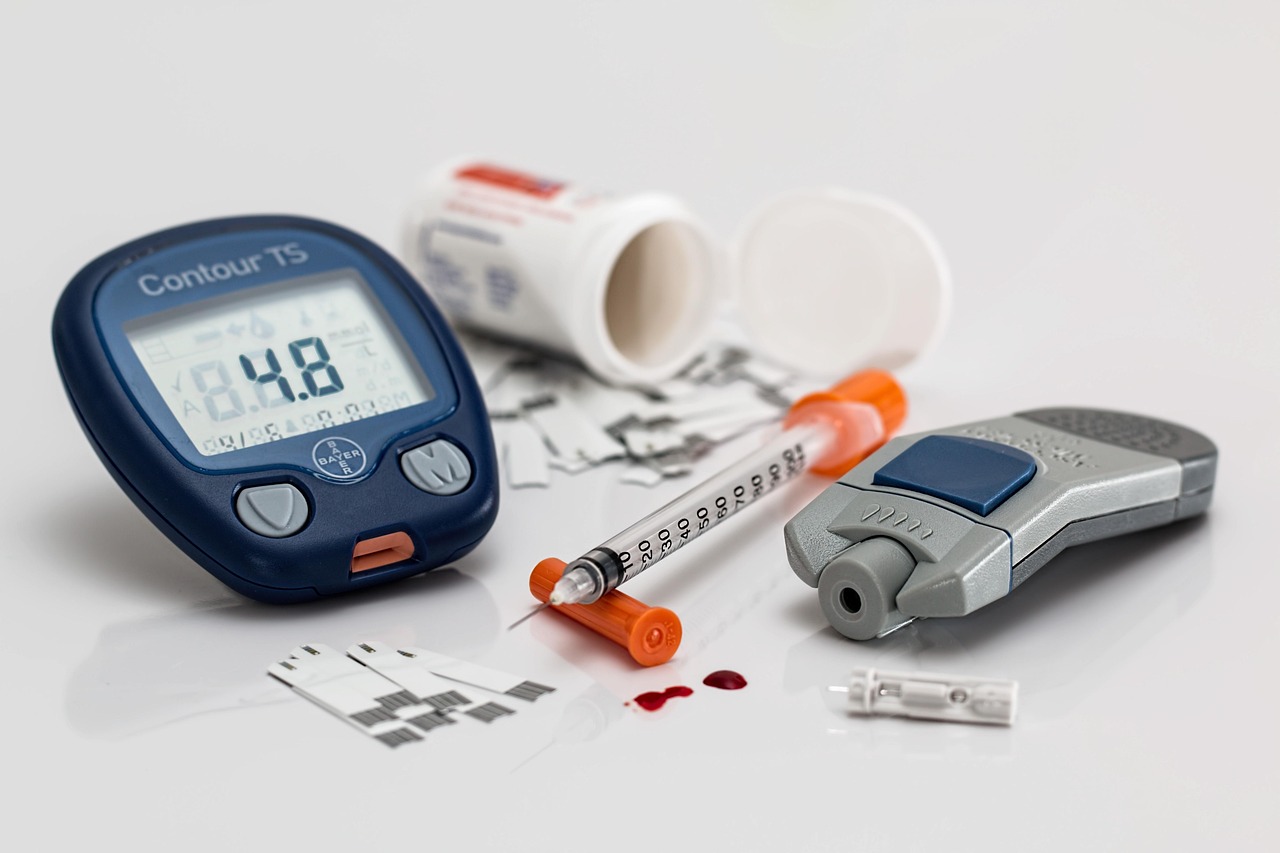
Regular monitoring of blood sugar levels is crucial when following a keto diet, particularly for diabetes management. Frequent checks help you understand how different foods affect your glucose levels. Utilize glucose meters to track these readings, and consider keeping a log that includes your meals, portion sizes, and corresponding blood glucose measurements. This data will empower you to make informed decisions about which foods work best for your body, allowing for a more personalized approach. It’s also beneficial to monitor ketone levels through urine strips or blood meters. This practice provides insights into whether you are maintaining ketosis effectively. A well-managed keto diet should lead to stable blood sugar levels, reduced cravings, and improved energy levels throughout the day. If your readings are consistently high, reassess your meal choices and carb intake, as adjustments may be necessary to maintain optimal outcomes. Consulting with healthcare professionals while adjusting your regimen can ensure you stay on the right track, adjusting medications as needed for your stability and health. Consistency in monitoring not only aids in achieving your ideal weight but also enhances your overall well-being.
Staying hydrated is an often overlooked aspect of the keto diet crucial for those with diabetes. Dehydration can lead to adverse health effects, such as increased blood sugar levels, so maintaining adequate fluid intake is vital. Aim to drink plenty of water throughout the day, which helps facilitate digestion and can support energy levels. Low-calorie beverages such as herbal teas can provide variety without the added sugars found in sodas or juices. Electrolytes are also a significant consideration when adopting a low-carb diet, as ketosis can cause an increased loss of minerals like sodium, potassium, and magnesium. Incorporate foods rich in these electrolytes or consider appropriate supplements to avoid imbalances that may negatively affect your health. Eating foods like leafy greens, nuts, seeds, and avocados can bolster your mineral intake. Additionally, being mindful of caffeine and alcohol consumption is essential, as both can lead to dehydration. Make conscious choices that support your hydration goals while managing diabetes. Regular hydration can also help you feel fuller, supporting weight management around your diabetes treatment plan and promoting successful long-term adherence.
Meal Planning Strategies
Effective meal planning is integral to success on a keto diet for diabetes management. A detailed strategy will prevent impulsive choices and facilitate adherence to your dietary goals. Start by preparing a weekly menu focusing on low-carb, high-fat meals. Include a variety of proteins, healthy fats, and low-carb vegetables to ensure a nutrient-rich diet. While planning, allocate time to grocery shopping, where fresh and whole foods should be prioritized. Avoid shopping for processed foods to steer clear of hidden sugars and unhealthy fats. Consider batch cooking meals to simplify your week; this makes it easy to stick to your dietary plan despite a busy schedule. Additionally, using a meal tracking app can help ensure you stay within your carb limit while providing macros details. Engaging in meal prepping with friends or family can also enhance accountability and make the diet more enjoyable. Make sure to include downtime for yourself as well; enjoy meals that are celebratory but still align with your keto objectives. Balance is essential, and even with strict adherence, be flexible and open to adjusting your meal plans as needed.
Combining exercise with a keto diet can significantly improve diabetes outcomes. Regular physical activity enhances insulin sensitivity and helps maintain a healthy weight. Aim to integrate both aerobic and resistance training exercises into your routine. Aerobic exercises, such as walking, swimming, or cycling, can help maintain cardiovascular health and improve overall endurance. On the other hand, strength training promotes muscle growth and aids in glucose utilization. Start with two to three sessions each week, adjusting based on your individual fitness level. Always remember the importance of consulting with your healthcare provider before starting any new exercise regimen, particularly for those with pre-existing conditions. Tracking your workouts can also provide motivation and help you identify patterns in workout performance alongside blood sugar levels. This holistic approach can lead to better management of both weight and diabetes. Additionally, consider incorporating activities that promote mental well-being, like yoga or meditation, which can help manage stress levels known to affect blood sugar control. Staying active presents many health benefits and contributes positively to long-term diabetes management, making it a crucial aspect of your overall keto strategy.
Staying Informed and Support Systems
Knowledge is power when it comes to managing diabetes on a keto diet. Staying informed about the latest research and dietary guidelines can support your health goals effectively. Engage in reputable online communities where you can share experiences with others following a similar dietary approach. These platforms can provide encouragement, recipe ideas, and practical advice for navigating challenges. Additionally, consider attending workshops or seminars focusing on low-carb diets and diabetes management. Local diabetes support groups may also offer valuable resources where experts can answer questions and share testimonies from community members. Building a support system is essential, whether through friends, family, or healthcare professionals. Discussing your dietary journey with loved ones can foster understanding and assistance as you pursue your keto goals. Social accountability could be the push you need to remain steadfast in your commitments. Collaborate with registered dietitians who specialize in diabetes, as they can offer tailored meal plans and monitor your progress closely. When you feel supported and informed, you are more likely to achieve sustainable results in managing diabetes through the keto diet successfully.
In conclusion, adopting a keto diet can be an effective strategy for better diabetes outcomes when practiced mindfully. From monitoring blood sugar levels to staying hydrated and planning meals strategically, each step contributes to overall health and wellness. Healthy fats and proteins play essential roles in alleviating the symptoms of diabetes, while regular physical activity complements your eating habits remarkably. Remember that each person’s journey through diabetes management is unique; take the time to discover what works best for you. Ensure to consult healthcare professionals for guidance, particularly in assessing your plans and medications. Consistency and patience are key elements as they facilitate gradual improvements. When you dedicate yourself to understanding how your body responds to foods within the context of a low-carb diet, you will likely experience significant benefits. Finally, surround yourself with a supportive network to boost motivation and share experiences. The combination of informed choices, consistent actions, and community support fosters a brighter outlook on diabetes management. As you embark on this journey, stay positive and focus on embracing healthier lifestyle changes that lead to better diabetes outcomes.