
How to Choose the Right Dumbbells for Your Strength Training Goals
The selection of dumbbells plays a pivotal role in achieving your strength training goals efficiently. Dumbbells come in a variety of styles, weights and materials, and understanding their differences is essential for any fitness enthusiast. First, consider your current strength level and set realistic goals. Beginners should opt for lighter weights to build proper form and technique. As you progress, you can gradually increase the weight. Standard dumbbells, which come in fixed weights, are great for home workouts. Alternatively, adjustable dumbbells offer versatility by allowing you to change weight quickly without needing a full set. Additionally, consider the shape of the dumbbell; hexagon-shaped options prevent rolling during storage. Material also matters; rubber-coated dumbbells are safer for floor use and help to protect your home. Lastly, as you shop, check for grip comfort. A non-slip grip is vital for your safety as it allows you to maintain control during exercises. Read reviews and choose from reputable brands while considering warranty options to ensure your investment is sound.
Understanding Your Training Needs
To select the most suitable dumbbells, you must first assess your training requirements. Identify the specific goals you aim to achieve through strength training. Are you focusing on building muscle, improving endurance, or enhancing your overall fitness? Your primary objective will influence the type of dumbbells you should choose. Furthermore, assess your workout routine and the exercises you plan to perform. Some exercises, like shoulder presses or bicep curls, may require a different weight compared to compound movements like squats. It’s important to have a range of weights available to accommodate different exercises. Beginners often find success with sets ranging from 5 to 25 pounds, while more advanced lifters may require 30 pounds or more. Pay attention to the increment weights as well; small increments are crucial for gradual strength progression. Knowing your training schedule can also help you decide between fixed and adjustable dumbbells, depending on whether you’d prefer quick weight changes. Combine this analysis with careful planning to make an informed choice that aligns with your fitness strategy.
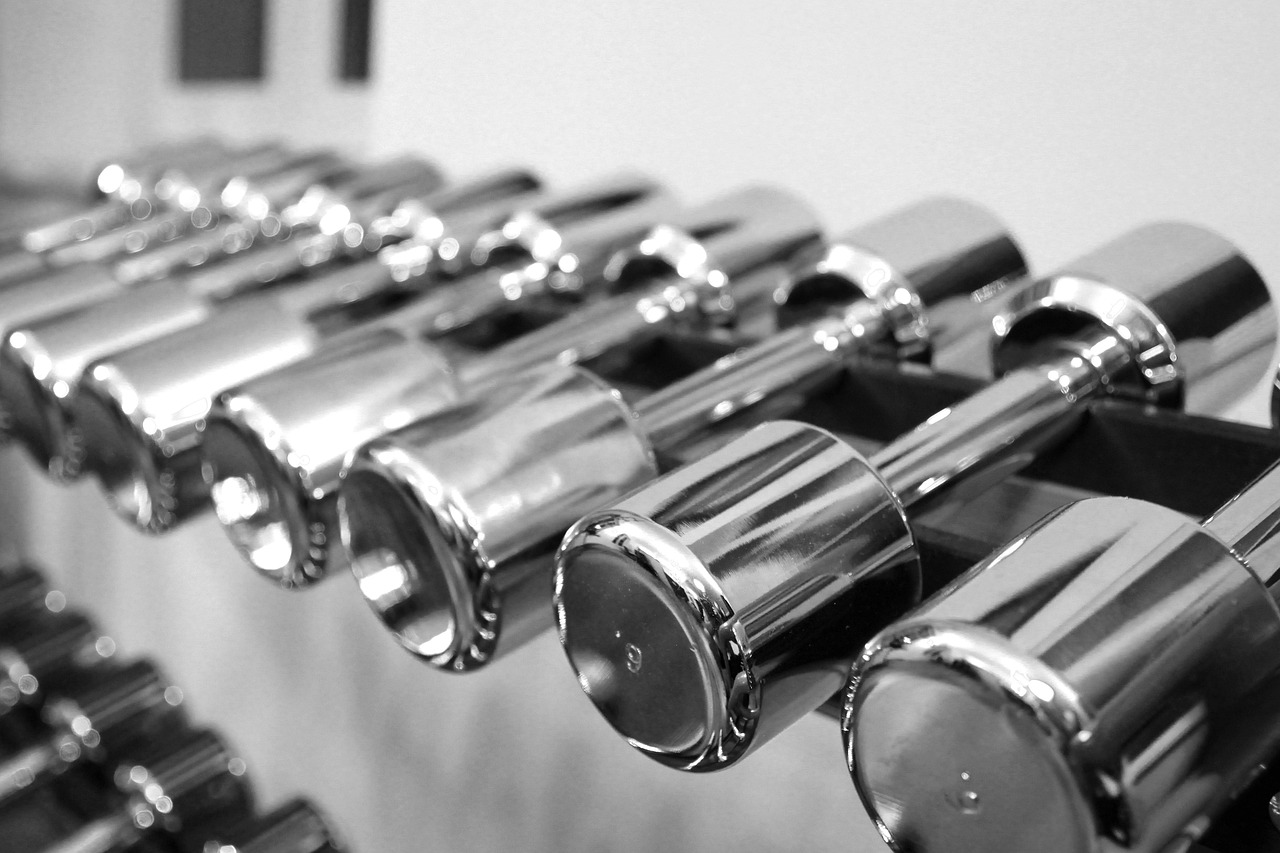
Durability is another critical aspect to consider when choosing dumbbells. When investing in fitness equipment, ensure that the materials used in construction are sturdy and made to last. Look for dumbbells that offer a good warranty, indicating the manufacturer’s confidence in their product. Consider the frequency of use; for daily workouts, investing in higher-end, durable dumbbells is wise. The type of coating on the dumbbell can greatly affect its durability. For example, chrome finishes have a classic look but may chip over time. Rubber-coated dumbbells are not only aesthetically pleasing but also non-slip and highly durable, making them a worthwhile option. Weight plates should also fit securely and be resistant to wear even during intense training sessions. Regular maintenance, such as cleaning and checking for wear, can extend the life of your weights. Choosing products from well-reviewed brands can additionally reassure you of their durability. Ultimately, a well-chosen set of dumbbells will serve you reliably for years to come, ensuring that your strength training program remains effective.
Budget Considerations
Budget constraints can play a significant role in deciding which dumbbells to purchase. Dumbbell sets can vary greatly in price, with fixed sets being cheaper than adjustable options. If you have limited funds, assess your long-term commitment to strength training first. If you are just starting or unsure, consider purchasing a pair of adjustable dumbbells. They provide versatility at a lower cost compared to a full set of individual weights. When evaluating prices, also factor in potential shipping fees or taxes if purchasing online. Some stores may offer free shipping on certain spending thresholds, making bulk purchases economical. Additionally, look for deals, package offers, or discounts from retailers; these can result in substantial savings. Inquire about financing options if you prefer high-end models but can’t pay up front. Remember, you are making an investment in your health, so prioritize quality over the lowest price. Spending just a bit more for proven durability and performance can ultimately save money in the long run by decreasing replacement frequency.
Finally, don’t overlook the ergonomic aspects of the dumbbells you select. Comfort is paramount to maintaining an effective and safe workout. Check the handle size and shape; it should fit well in your hand without causing discomfort during lifts. Non-slip surfaces improve grip, reducing the risk of accidents while training. The balance of the dumbbell also plays a role; it should feel stable and secure during lifts. During exercises, if the dumbbells feel awkward, it can hinder your technique and lead to injury. When purchasing, feel how the weights distribute; ideally, they should balance well. Experimenting with various models at your local gym or fitness store can be beneficial; this will help you understand what feels best given your grip style and anatomical proportions. Seeing how they feel in your hands during a workout will positively influence your choice. Properly fitting and comfortable dumbbells can greatly enhance your performance, ensuring you stay focused on your training without physical distractions.
Safety Considerations
When training with dumbbells, safety cannot be overstated. Always prioritize proper form over heavier weights, using appropriate mechanics for each exercise. Start with lighter weights until you’ve mastered the technique. Once comfortable, gradually increase your weights to avoid strains and injuries. Wrist and elbow pain may signify that your weight is too heavy or that your form needs adjustment. Consider incorporating safety measures like using a workout bench or spotter for exercises that involve pressing above your head. Additionally, ensure your workout area is free of hazards. Maintain a clutter-free environment which allows ample space for movement. Using rubber mats or surfaces can cushion falls if weights slip from your grip. To further enhance safety, purchasing weights with an ergonomic shape that eliminates potential rolling issues is highly advisable. It’s essential to warm-up adequately before beginning strength training to prepare your muscles and joints for heavier weights. Always listen to your body, and never push through intense pain. Building strength safely takes time and patience, ensuring long-term success and injury prevention.
In conclusion, choosing the right dumbbells for your strength training goals involves careful consideration. Balance your fitness objectives with budget and safety measures to make an informed decision. Research different types of dumbbells available on the market, assessing their materials, grip comfort, and durability to find the best fit. Take into account the unique needs of your training program; varying weights will enhance progression and prevent plateaus. Stay mindful of safety practices to protect yourself while exercising. Additionally, consulting with a personal trainer or experienced lifter can offer valuable insights and recommendations tailored to your goals. Whether you select fixed or adjustable options, your investment in dumbbells will aid in achieving improved strength, functionality, and overall fitness. Remember, quality over quantity is vital, as is forming a sustainable training habit. Commence your journey to better health with the right equipment, and set yourself up for success. Lastly, don’t forget to enjoy the process, as strength training can be a rewarding venture for your physical and mental well-being.