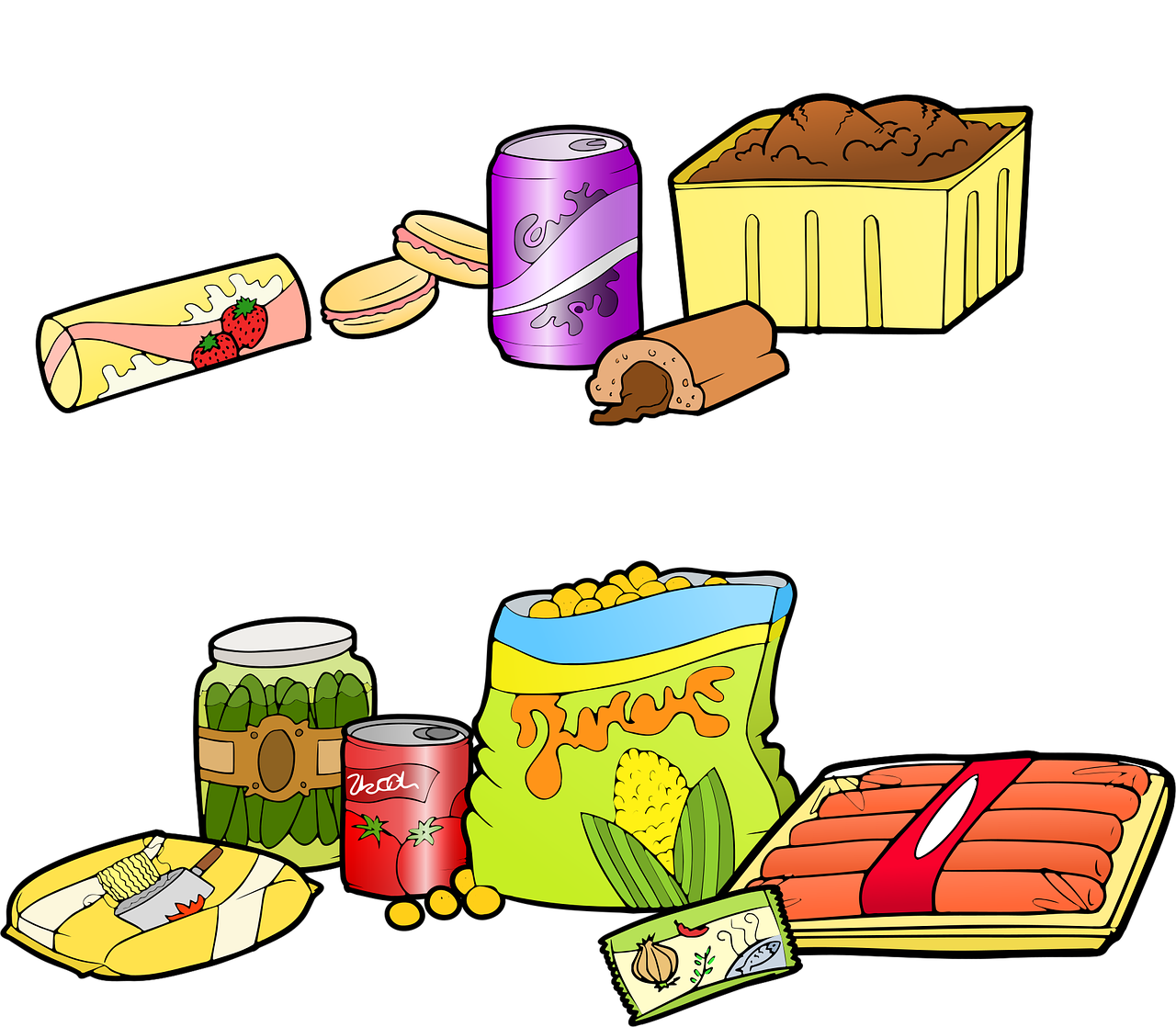

The Worst Processed Foods to Avoid When Trying to Lose Weight
Processed foods are usually linked to weight gain and various health issues. One of the worst offenders is sugary drinks, such as sodas and energy drinks. These beverages contain high levels of sugar and empty calories, which can lead to weight gain. Even seemingly healthy smoothies can be packed with sugar, so it is important to check ingredients carefully. Opting for water or unsweetened teas can be much healthier. Another processed food to avoid is refined flour products, which include white bread and pastries. These can spike insulin levels, leading to increased hunger and cravings. Instead, choose whole grain alternatives that provide more fiber and nutrients. Snack foods such as chips and crackers often contain unhealthy fats and sodium, making them detrimental to weight loss efforts. Healthy snacks like nuts or air-popped popcorn are better choices. Lastly, processed meats, such as sausages and deli meats, have preservatives and additives that may hinder weight loss. Whenever possible, opt for lean meats and plant-based options for a healthier diet. Making these conscious choices can greatly impact your weight loss journey, enhancing your overall well-being.
The Hidden Dangers of Sugar
Sugar is not just a simple ingredient; it can be addictive and harmful when consumed in excess. Many processed foods contain hidden sugars, which can contribute to weight gain and metabolic problems. Even items marketed as ‘healthy’, like granola bars, can have significant sugar content. Constant sugar consumption can lead to a cycle of cravings that makes it hard to stick to a healthy diet. Understanding food labels is crucial to mitigate sugar intake effectively. Additionally, artificial sweeteners often found in diet products can mislead consumers into believing they are making healthier choices. Scientific studies suggest that these sweeteners can confuse the body’s hunger signals and may even lead to increased appetite. As a result, people might consume even more calories. It’s essential to recognize that many low-fat foods compensate for reduced fat with additional sugar, making them counterproductive for weight loss. Therefore, even products labeled as ‘sugar-free’ should be consumed cautiously. Instead, focus on natural sweeteners like honey or maple syrup, which, when used sparingly, can satisfy sweet cravings without the detrimental effects of refined sugars.
Packaged snacks and convenience foods are often highly processed and should be avoided. These items may contain preservatives, unhealthy fats, and excessive salt, all of which can inhibit weight loss. Chips, cookies, and even frozen dinners can be calorie-dense without providing essential nutrients. Making homemade versions of your favorite snacks can allow for healthier ingredients and portion control. Focus on whole foods such as vegetables, fruits, and whole grains. When it comes to breakfast cereals, opt for those with minimal processing. Many cereals contain added sugars and refined grains that can lead to unhealthy weight gain. Moreover, the high glycemic index of overly sweetened breakfast options can trigger insulin spikes, increasing hunger quickly after consumption. A better choice is oatmeal or whole-grain options topped with fresh fruit. Dehydrated foods can be equally misleading. While they seem healthy, they often contain added sugars and preservatives that negate their benefits. Always read labels and stick to natural foods. Making informed decisions about the foods you consume is key to losing weight effectively and maintaining long-term health.
Why Processed Fats Matter
Processed fats, particularly trans fats, are detrimental to weight loss and overall health. Found in fried foods, snack foods, and baked goods, trans fats contribute to heart disease and obesity. These unhealthy fats can increase bad cholesterol levels and lower good cholesterol levels, creating serious health risks. To promote weight loss, it’s essential to limit or avoid foods that contain these fats altogether. Instead, focus on consuming healthy fats found in nuts, seeds, avocados, and olive oil. These alternatives can help you feel satiated while promoting better nutrient absorption. Another significant source of unhealthy fats is margarine and certain spreads found in processed, packaged foods. Reading labels is vital before purchasing these products. Furthermore, fast food items often contain a combination of unhealthy fats, sugars, and refined carbohydrates, making them a poor choice when trying to lose weight. Making conscious decisions about your fat intake can yield significant benefits. Transitioning to unprocessed and minimally processed fats can support both effective weight loss and improved health outcomes in the long run.
Sauces and dressings are frequently underestimated but can derail your weight loss goals. Many of these products are high in sugar, unhealthy fats, and calories. Ketchup, barbecue sauces, and creamy dressings often contain hidden sugars that add up quickly. A serving of popular sauces can contain as many calories as an entire meal. To avoid elevated calorie intake, consider making your own dressings using simple ingredients like vinegar, olive oil, and herbs. This way, you can control the ingredients and avoid unnecessary additives. Additionally, breading or coating found in processed meals can add calories without providing nutritional value. Fried chicken or breaded fish are prime examples of this trend. Baking or grilling meats and vegetables can be a healthier alternative. Additionally, pre-packaged meal kits, while convenient, can harbor excessive sodium and unhealthy fats as well. A better approach is to create meal plans based on whole foods. Keeping meals simple can help maintain portion control while ensuring nutrient-rich options. Focusing on minimizing processed sauces and dressings is crucial in achieving sustainable weight loss behaviors.
The Impact of Fast Food on Weight
Fast food is a significant player in the processed food category that contributes to the obesity epidemic. These establishments often serve high-calorie meals that are low in nutritional value. A single fast food meal can exceed a day’s worth of calories for some individuals, making it challenging to maintain a balanced diet. Moreover, portion sizes in fast food chains have ballooned over the years, encouraging overeating. Consuming these foods regularly can lead to unhealthy weight gain and various chronic health issues. To combat this trend, opt for home-cooked meals made with fresh ingredients, which are typically lower in calories and higher in vitamins. When faced with limited options while out, prioritize meals made with grilled meats, salads, and whole grains instead of fried items. It can also be wise to prepare snacks ahead of time to avoid the temptation of fast food. Choosing healthier alternatives during busy times not only helps in weight management but also contributes to overall well-being. Being mindful about food choices can make a notable difference in both weight loss and health improvements over time.
The importance of reading labels cannot be understated in achieving weight loss and improved health. Many processed products are misleading, making them appear healthier than they are. Items labeled as ‘low-fat’ often compensate with added sugars, while others marked as ‘gluten-free’ may still contain unhealthy fillers. Always take a moment to check serving sizes and ingredients for unexpected hidden calories. Zero-calorie ads can be deceptive; some products might have very few calories but excess sodium, leading to water retention. Moreover, understanding the concept of whole foods as opposed to processed foods is vital. Whole foods, such as fresh fruits, vegetables, and lean proteins, provide the nutrients your body needs without unnecessary additives. Implementing a balanced diet is key to long-term weight management. Building meals around whole foods is beneficial in lessening the reliance on processed alternatives. This simple change can enhance both weight loss and overall health. Elevating your food choices can result in better energy levels and mental clarity as you progress on your weight loss journey. Making informed decisions is essential for accomplishing weight loss targets.