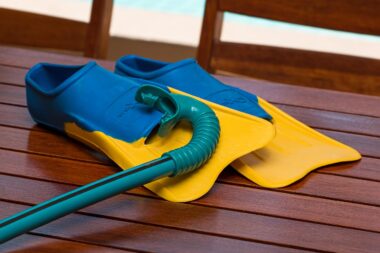
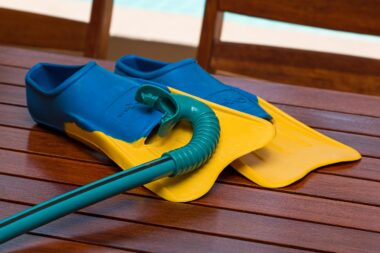
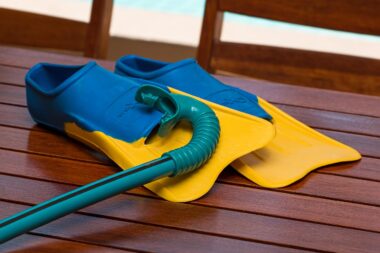
Swim Fins for Improving Swim Starts and Push-Offs
Using swim fins can significantly enhance your swimming techniques, especially for improving swim starts and push-offs. Swim fins provide extra propulsion, helping swimmers build strength and improve their kicking technique. They cause the kick to become more powerful by forcing the legs to work harder, which ultimately translates to better propulsion during a swim. When utilizing fins, swimmers often experience a heightened sense of body position, which greatly aids in refining their overall swimming form. With enhanced feedback on their movements, swimmers can make necessary adjustments to their techniques. As a result, their swimming becomes more efficient and streamlined. Furthermore, fins also allow swimmers to isolate and strengthen specific muscle groups in the legs, leading to better overall performance. By incorporating swim fins into a training routine, athletes can experience improvements in speed and endurance over time. These aids are particularly helpful during drills focused on starts and push-offs from the wall, crucial elements of competitive swimming. Swimmers are encouraged to integrate fins into weekly training schedules for optimal benefits. In turn, this can lead to improved competitive outcomes and personal bests in meet performances.
One of the best techniques to practice using swim fins is the vertical kick drill. This exercise requires swimmers to tread water while keeping their legs together and kicking exclusively with their fins. The fins increase resistance, triggering muscle engagement in the legs and core. As swimmers progress, they may find that the drill becomes easier, thereby indicating improvements in leg strength and swim efficiency. Regular practice of this drill increases cardiovascular capacity and helps swimmers develop better kick timing, crucial for effective starts. Additionally, incorporating fins into regular kickboard drills will help to reinforce proper kicking technique. Swimmers can alternate between different kickboard postures, utilizing fin-enhanced resistance to build strength. The use of fins allows for a more focused workout on foot placement and kick timing while removing upper body distractions. This develops a synchronized movement that’s necessary for optimal speed during starts. Remember to maintain proper body alignment while performing drills with fins to gain maximum benefit. This will ensure a seamlessly executed push-off while leveraging the increased power from the fins. Experimenting with various kicks can also contribute towards finding the most effective style for personal swim performance.
Benefits of Using Swim Fins
Swim fins offer various benefits, particularly in helping develop swim start effectiveness and push-offs. While using fins, swimmers experience greater propulsion, allowing them to reach their maximum speed during the initial moments of a race. In competitive swimming, improving these moments can be highly advantageous, especially in short-distance events. The increase in propulsion during training with swim fins can lead to athletes having more powerful and explosive starts. An essential aspect of competitive swimming is gaining a few crucial seconds during starts. Additionally, fins can aid in enhancing flexibility in the ankles, which plays a vital role in executing effective kicks. Improved ankle flexibility can result in a broader range of motion, enhancing overall speed and coordination. Another benefit includes isolating the muscles used for kicking, allowing swimmers to target specific areas for strength building. This helps improve not only the kick but also overall body alignment in the water as swimmers become fully accustomed to the drag caused by the water. Overall, consistent use of swim fins enhances performance in various swimming environments, making them an invaluable tool for competitive athletes and recreational swimmers alike.
When it comes to integrating swim fins into an athlete’s routine, a structured approach is essential. Start by determining the appropriate fin size and type based on your skill level and swimming style. Beginners may benefit from lighter, shorter fins that encourage proper kicking without excessive strain on the legs. Advanced swimmers, however, may prefer longer fins that generate more resistance and increased propulsion, which is ideal for strength building. By gradually incorporating swim fins into training sets, swimmers can monitor improvements in their times and technique over time. It’s essential to remain mindful of fatigue levels, as overusing fins can lead to tired legs. Aim for balanced swim sessions where fins are utilized as part of a broader training program, allowing for variations in workouts that incorporate steady-state swims, drills, or sprint sets. Careful scheduling of fin usage can help prevent over-exertion while still maximizing benefits. Regular evaluation and adjustments based on performance feedback will ensure that swimmers gain the most from their fin usage. Remember, the focus should always remain on enhancing swimming skills while thoroughly enjoying the process of mastering new techniques with fins in swimming routines.
Common Types of Swim Fins
There are several types of swim fins available, each designed for specific training purposes. Short fins, favored by many swimmers, are excellent for developing leg strength and maintaining proper body alignment during workouts. They provide a solid balance between kick power and control, making them suitable for both sprinting and endurance training. Conversely, long fins are great for maximizing propulsion and overcoming drag, but they may require better ankle flexibility. These fins help swimmers improve leg strength, benefitting their overall swimming technique. Another popular option is training fins, which are designed specifically for enhancing swimming drills. These fins often feature a shorter blade and are crafted with a softer material, ensuring comfort while helping to focus on technique. Finally, there are specialized fins used for advanced training. Hydro-hyper fins are designed to simulate the conditions of competitive swimming environments, pushing swimmers to optimize their kick efficiency. Choosing the right type of fin plays a crucial role in individual progress. Swimmers should consider their current abilities, goals, and comfort level to select the best option for their unique training needs.
An often-overlooked factor when training with swim fins is safety and precaution. It is crucial to choose a pair of fins that fit comfortably and avoid any tightness that may cause discomfort or injury during training sessions. Proper sizing ensures that fins do not slip off during rigorous workouts, preventing potential accidents in the water. Swimmers should regularly check their fins for signs of wear, ensuring they remain in good condition and contribute positively to training. Additionally, a warm-up routine before, and a cool-down afterward, is essential for minimizing the risk of muscle strains when using fins. Allocating proper recovery time allows muscles to recuperate from intensive sessions. Finally, since swimmers often experience enhanced speed when utilizing fins, it is essential to be aware of surroundings when training. Safety should always be a priority, whether in a public pool or open water. Observing lane etiquette can prevent collisions with fellow swimmers, fostering a safe training environment. By following these recommendations, swimmers can confidently incorporate fins into their routines while minimizing risks associated with their use during workouts.
Incorporating Fins into Training Regimens
Integrating swim fins into a training regimen offers swimmers the potential for substantial improvement in their performance. It’s essential to establish a structured plan to effectively take advantage of the benefits of swim fins. Begin by dedicating specific days solely for fin workouts; these may include interval sprints, endurance swims, or technique drills that focus on kicking. By consistent practice, swimmers can witness significant enhancements in their overall strength and speed. Moreover, incorporating fins during drills designed to work on starts can yield better results in competition. Exploring various underwater push-off techniques while using fins can lead to significant breakthroughs in performance. For instance, practicing explosive starts while using fins can add critical speed during competitive events. Furthermore, using fins enables swimmers to analyze their streamline position during push-offs; identifying areas for improvement may reveal ways to decrease drag. Lastly, encourage incorporating fins during warm-ups and cooldowns to promote recovery while applying adaptive techniques learned throughout the week. By diligently working on these aspects, athletes can find their swim starts and push-offs enhanced, reflecting positively in overall competition results.
In summary, swim fins serve as a valuable tool for swimmers aiming to improve their starts and push-offs. By providing additional propulsion, they not only enhance speed but also contribute to better overall technique and performance in the water. Regular practice with fins helps develop essential muscle strength, flexibility, and coordination, all of which are vital for success in competitive swimming. Swimmers should remember that consistency is key; integrating fins into training routines signals commitment to improvement and growth. An intentional approach, focusing on proper usage and technique, can yield impressive competitive advantages. As swimmers progress, they may also build confidence while mastering essential skills essential to competitive environments. The benefits of using swim fins extend beyond immediate performance improvements and positively influence overall swim foundation. Through their continued use, swimmers become better equipped to tackle challenges encountered in races. Ultimately, the journey of utilizing fins becomes a rewarding experience that leads to enhanced performance and personal achievements. For those ready to embrace this approach, swim fins will undoubtedly provide essential assets in refining starts and push-offs, making them an indispensable part of effective training regimens going forward.