
Proper Footwear: A Key Element in Preventing Gym Injuries
When stepping into a gym, many enthusiasts overlook the importance of proper footwear. Selecting appropriate gym shoes contributes significantly to safety while exercising. First, it is essential to choose shoes that fit well. Ill-fitting shoes can lead to blisters, discomfort, and even long-term injuries. The right footwear should cradle your foot without excessive tightness. Additionally, it should provide adequate support. Especially during high-impact activities, shoes that don’t support your arches or heels can cause strain and pain. Furthermore, consider the traction your shoes offer. Non-slip soles are critical for stability, especially on gym floors that can become slippery from sweat or cleaning agents. A lack of grip increases the risk of slips and falls, leading to potential injuries. You might also want to think about the type of workout you will be doing. Different exercises may require different features in shoes. For instance, running shoes offer cushioning, while cross-training shoes provide lateral support. Always prioritize your health by making informed decisions about footwear. In doing so, you’ll significantly enhance your gym experience, reduce injury risks, and improve your overall performance.
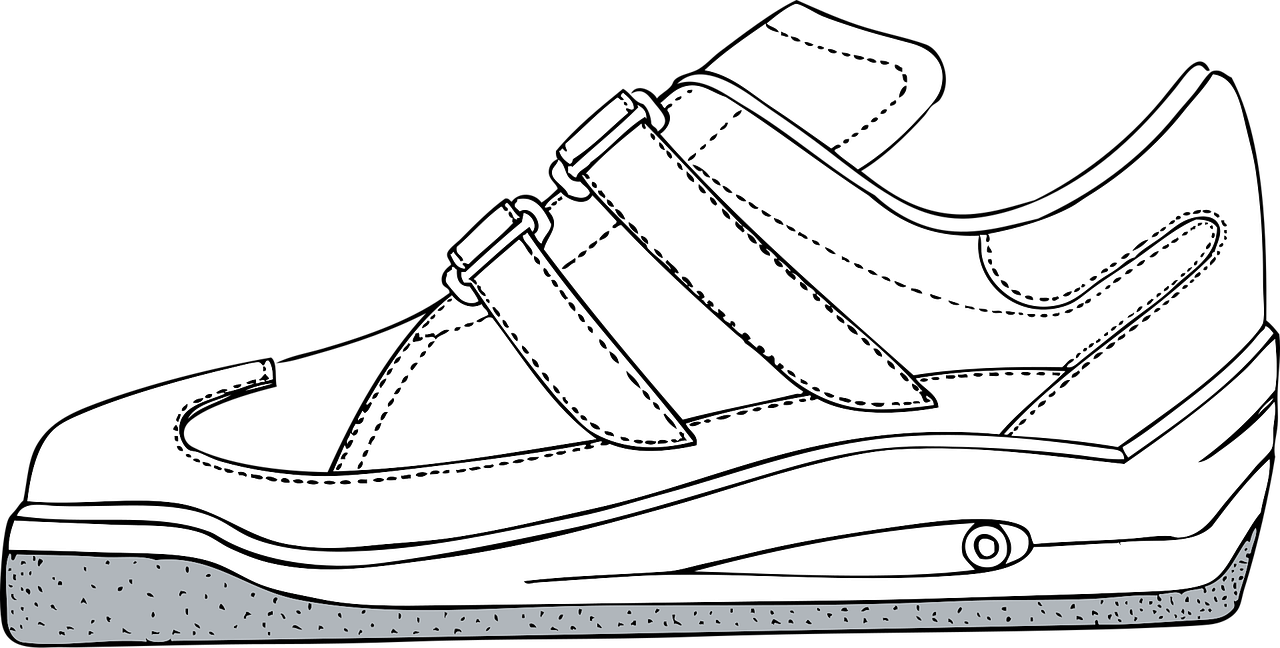
Another critical aspect is to ensure that your shoes are appropriate for the specific gym activity being performed. Running shoes are designed to provide excellent cushioning for repetitive forward motion, while weightlifting shoes have a firmer sole for stability. Cross-trainers offer versatility but may not excel in any specific area. Having specialized shoes can help improve your performance and enhance safety during your workouts. Moreover, the wear and tear of gym footwear can also affect safety. Regularly check the tread on your shoes; when it becomes worn down, the grip reduces significantly, increasing the chances of slipping. It’s advisable to replace footwear when noticeable signs of degradation appear. Although investing in good shoes might feel substantial upfront, the long-term benefits are undeniable. Improved injury prevention, better support, and enhanced performance can make the costs worthwhile. Seek advice from trainers or staff at your gym, as they can offer insights on ideal footwear choices based on your workout routines. Always remember that your feet are the foundation of your exercise regimen, so give them the support they need to thrive.
Considerations for Choosing the Right Exercise Shoes
Choosing the appropriate footwear tailored to your workouts is paramount in preventing injuries. Always evaluate the activities you will be participating in at the gym. For instance, if your focus is primarily on running, investing in running shoes is essential. They are specifically engineered to absorb impact and cushion your feet. Conversely, if your workouts entail weight lifting, dedicated weightlifting shoes can deliver the stability required for better performance. These shoes often have a more rigid sole, aiding in force transfer during lifts. Furthermore, consider consulting with a specialist at a sporting goods store. They can analyze your gait and foot mechanics to recommend shoes that match your unique needs. If you have specific foot issues, such as flat feet or high arches, this professional knowledge can be invaluable. Additionally, proper maintenance of your footwear is equally crucial. Regularly cleaning and inspecting your shoes can prolong their life and ensure optimal performance. Shoes can also be customized with orthotic inserts, providing enhanced comfort and support based on personal biomechanics. Prioritize finding footwear that meets these needs for a safer and more effective gym experience.
Another vital consideration is the breathability of your workout shoes. Materials that allow for ventilation can contribute significantly to your overall comfort. This is particularly important during long workout sessions when feet can swell and sweat. Moisture-wicking fabrics are ideal as they help keep your feet dry, reducing the risk of blisters and fungal infections. Additionally, pay attention to shoe weight. Heavier shoes can hinder performance, especially during activities that require agility. Optimal footwear should balance support, protection, and lightness. Moreover, as you explore different options, it’s beneficial to try shoes on during peak hours when your feet are a bit swollen. This ensures they will feel comfortable throughout your workout. When possible, take shoes for a test run; briskly walking or jogging inside the store can help assess their responsiveness. If online shopping is more appealing, familiarize yourself with return policies beforehand. Testing shoes in different conditions is vital to ensure they meet your needs adequately. Remember, wearing the right shoes is not merely a stylistic choice; it’s a fundamental safety concern that can considerably impact your well-being during activities.
Importance of Education on Footwear Choices
Educating yourself about proper footwear choices elevates your fitness game and ensures safety. Many gym-goers take footwear for granted, believing any sports shoes will suffice. However, the breadth of available conditions, activities, and shoe technologies requires individuals to be more discerning. Knowledge about what constitutes effective gym footwear can make a remarkable difference. For instance, understanding the different types of insoles and how they can affect foot support is vital. Investing in the right insoles can help alleviate foot pain while enhancing stability and comfort. Moreover, educating others within the gym community creates a culture of safety. When you share insights about footwear, you help others acknowledge its significance. Conducting group discussions or workshops in your fitness community can raise awareness about footwear essentials. Additionally, many local gyms offer classes on injury prevention; take full advantage of these to gain more knowledge. Always stay opened to learning, and immerse yourself in the latest advancements in sports footwear technology. In doing so, you not only enhance your performance but protect peers from avoidable injuries, fostering a safer gym environment for all.
In summary, prioritizing proper footwear is undeniably essential for injury prevention in the gym. Well-chosen shoes enhance performance, provide stability, and protect your feet from harm. Strive to select shoes that perfectly match your workout style, considering factors such as breathability, support, and activity type. Regularly assessing shoe condition is equally important; worn-out shoes can negate all benefits of their original design. With adequate attention and care, it is possible to prolong the life of your footwear and ensure ongoing performance and safety. Furthermore, fostering a knowledgeable culture about gym footwear not only benefits individual practices but also enriches the entire community’s awareness of safety. By encouraging dialogue on footwear’s importance, we collectively uplift others, guiding them towards their fitness goals safely. Continuous education empowers gym-goers and mitigates the risk of injuries caused by inappropriate footwear choices. The right pair of shoes supports overall health, enhances gym efficiency, and encourages longevity in fitness journeys. Ultimately, when every individual takes shoe selection seriously, we pave the way for a safer, more enjoyable gym experience for everyone involved.
Conclusion: Footwear and Long-Term Fitness Success
Ultimately, understanding the value of proper footwear leads to better health and enhanced gym experiences. With careful consideration and informed choices, you can create an effective foundation for your workouts. The right shoes not only prevent injuries but also help improve performance, motivation, and confidence. Choosing wisely in this aspect reflects a commitment to your own well-being and commitment to your fitness journey. Always remain attentive to individual needs and adjust as required to suit changing conditions. As your activities evolve, so should your shoe choices. Take the time to research various brands and technologies available in the market today. By prioritizing proper footwear, you’ll send a powerful message that safety and health are paramount in fitness. The sooner you start making these adjustments, the better your experiences will be. Remember to educate those around you and engage in conversations about footwear topics. This shared knowledge will only serve to uplift and inspire those in your fitness community. Together, we can foster an environment where everyone prioritizes safety and well-being, enhancing our fitness journeys for years to come.
This summary encapsulates the significance of proper footwear in gym environments. By recognizing the crucial roles of fit, type, and shoe condition, fitness enthusiasts can virtually eliminate injury risks while improving overall performance. Ensuring safe practices extends beyond mere personal experience; engaging in informative exchanges within your gym can breed a culture focused on prevention. It is vital to prioritize education around footwear, as it empowers individuals to make informed decisions. Investing time in understanding your specific needs, discussing footwear with experts, and assessing options collectively contributes to creating a healthier gym atmosphere. As our knowledge expands, our fitness practices should adapt to improve safety. Remember that the journey towards fitness and health is ongoing; thus, the right shoes can facilitate this progression effectively. Forming connections with fellow gym-goers and sharing insights creates collaborative growth. Eventually, the habits we establish today influence our collective future in fitness. Make proper footwear not just a topic of conversation, but a fundamental principle within your fitness community. By laying this foundation, we can ensure longevity in our fitness goals and prevent unnecessary setbacks caused by footwear-related injuries.