
How Flexibility Impacts Daily Life and Athleticism
Flexibility plays a crucial role in both daily life and athletic performance. Improved flexibility allows individuals to move more freely, reducing the risk of injury. Everyday activities, such as bending down to pick something up or reaching for an item on a high shelf, require a certain degree of flexibility. Without it, simple tasks can lead to strains or sprains. Moreover, flexibility is essential for overall body health and function. It facilitates better circulation and can even enhance muscle recovery after strenuous exercise. Incorporating flexibility exercises into daily routines can lead to noticeable improvements in movement range and physical comfort over time. For athletes, maintaining an optimal level of flexibility is vital to enhancing performance. Various sports demand diverse movement patterns that rely heavily on flexibility to ensure peak efficiency and performance. For example, dancers, gymnasts, and runners benefit immensely from stretching routines that increase their flexibility. In addition to physical benefits, flexibility practices can also contribute to mental well-being by incorporating relaxation techniques, ultimately improving concentration and performance during both daily activities and competitive environments.
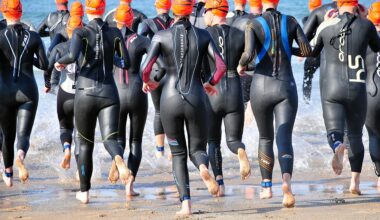
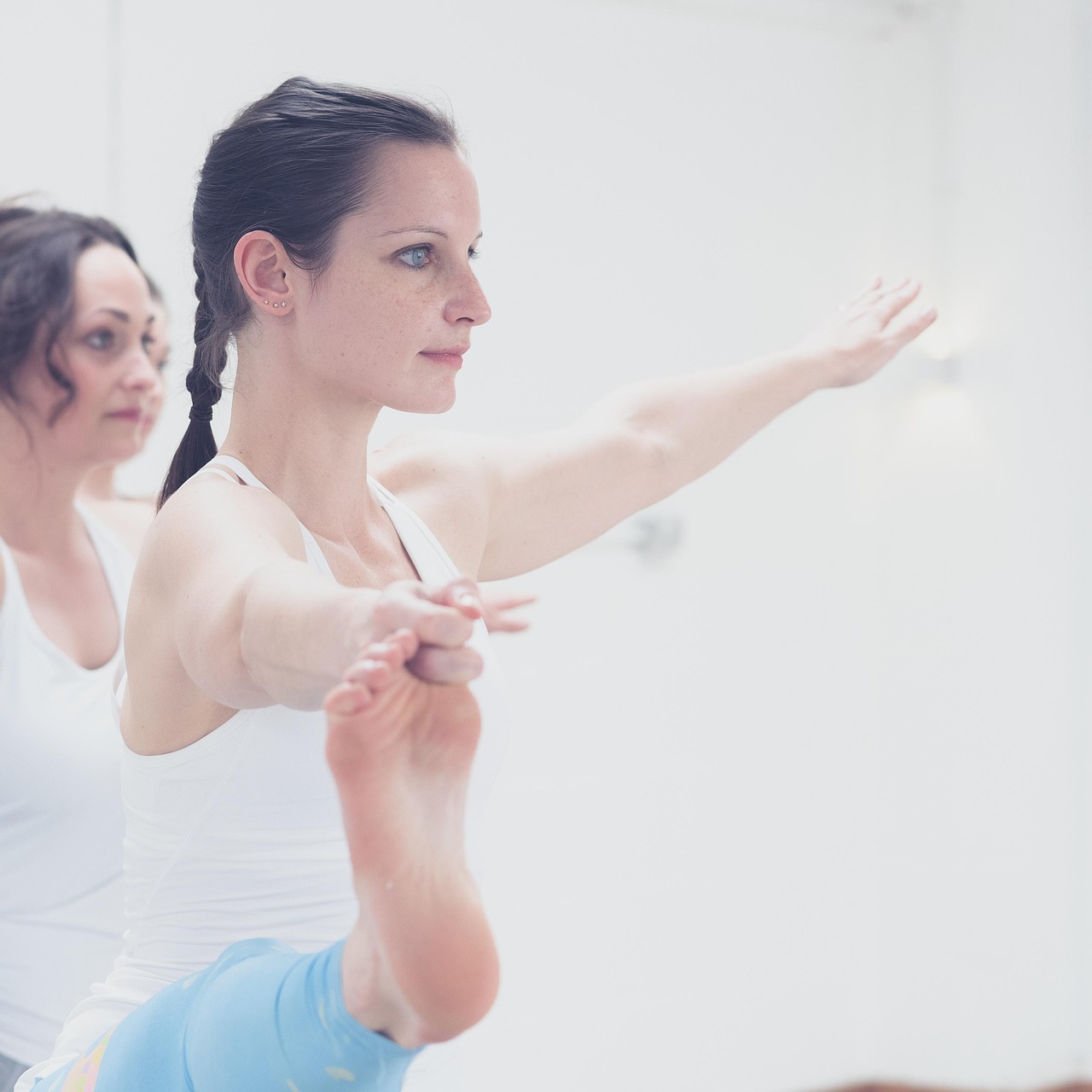
As we continue to understand the significance of flexibility, it’s important to explore its connection with athleticism. Athletes require not just strength and stamina, but agility and flexibility. Having a good range of motion can elevate performance metrics in various sports. Whether sprinting on a track or executing a perfect gymnastics routine, flexibility serves as a foundational element. For instance, a sprinter who can extend their legs effectively during a race may experience faster times and reduced fatigue. Similarly, basketball players benefit from flexibility to maneuver quickly around opponents while enabling a wider array of shooting techniques. Flexibility also plays a key role in injury prevention. Athletes who neglect stretching and flexibility training often face higher rates of injuries such as muscle tears or joint discomfort. By regularly incorporating flexibility exercises such as yoga, athletes can maintain limber joints and pliable muscles that adapt better to the stresses of training. Stretching techniques can include dynamic stretches before workouts and static stretches after workouts, ensuring muscles are both warm and relaxed. This comprehensive approach to flexibility not only enhances athletic abilities but also prolongs an athlete’s career.
Moreover, flexibility enhances body awareness, which can be particularly beneficial for athletes. Awareness of the body’s positioning during physical activity can lead to improved technique and performance. For example, a better understanding of one’s body mechanics allows athletes to adjust their movements mid-competition, leading to more effective execution of skills. Additionally, flexibility training can improve posture, which is the alignment and positioning of the body, contributing to better performance. Proper posture ensures that the body functions optimally, allowing athletes to harness their physical potential. For daily life, good posture can decrease the likelihood of discomfort and back pain. Flexibility training aids in achieving an aligned and well-balanced body, thereby improving overall health. Simple leg stretches, torso twists, and shoulder rotations can significantly enhance posture over time. Not only do these exercises promote better alignment, but they also help in strengthening core muscles. An engaged core further stabilizes the body, leading to more efficient movement patterns and reducing strain on joints. Thus, both athletes and the general population can benefit greatly from prioritizing flexibility in their exercise regimens.
Benefits for Mental Health
The benefits of flexibility extend beyond the physical realm, significantly impacting mental health and well-being. Engaging in regular flexibility exercises such as yoga or Pilates promotes relaxation and stress relief. These practices often include mindfulness components that help individuals focus on breath and movement, fostering a state of calm and mental clarity. This holistic approach to fitness aids in managing anxiety and depression, making it a valuable tool for mental resilience. Furthermore, the rhythmic nature of stretching releases endorphins, known for their mood-lifting effects. A mindful stretching routine can create a sense of accomplishment, positively influencing one’s overall outlook on life. Such practices cultivate a deeper connection between the mind and body, enhancing self-awareness. Athletes, in particular, can benefit from this connection, as mental training is equally vital as physical preparation for optimal performance. Consistently improving flexibility contributes to greater confidence, aiding athletes in overcoming performance anxiety and enhancing focus during competitions. Incorporating regular flexibility and mobility training into any fitness regime not only enriches physical prowess but significantly benefits mental well-being and resilience.
To effectively enhance flexibility, it’s essential to incorporate a variety of stretching routines tailored to the individual’s needs. Dynamic stretches are particularly beneficial due to their ability to prepare the body for activity. These exercises involve controlled movements that increase heart rate and blood flow to the muscles. Examples include leg swings, high knees, and arm circles. On the other hand, static stretches should be done post-activity, focusing on gradually lengthening muscles for recovery. Exercises such as the seated forward fold and standing quadriceps stretch can effectively improve flexibility and relieve soreness. Consistency is key when it comes to flexibility training; incorporating flexibility exercises multiple times a week can lead to marked improvements. It’s also beneficial to listen to one’s body, ensuring that stretches are held comfortably without force. Additionally, incorporating foam rolling and massage therapy into a flexibility routine can contribute to muscle pliability and tension reduction. By adopting a comprehensive flexibility strategy, athletes and everyday individuals alike can significantly enhance their overall mobility and athletic potential. Therefore, making commitment and conscious effort to improve flexibility can lead to substantial long-term benefits.
In conclusion, flexibility impacts both daily life and athleticism profoundly, serving as a cornerstone for overall physical health. The ability to move freely without discomfort enhances everyday activities, making them more manageable and enjoyable. Athletes, in turn, recognize that flexibility is paramount for peak performance and injury prevention. Regular flexibility training empowers individuals to push their physical limits while maintaining safety. Moreover, as highlighted, flexibility fortifies mental well-being, promoting a holistic approach to fitness that embraces both mind and body integration. Whether through yoga, dynamic stretching, or static post-exercise routines, various methodologies exist to enhance flexibility effectively. Incorporating a diverse approach to flexibility and mobility into one’s fitness routine not only restores functionality but also improves the quality of life. Prioritizing flexibility can yield significant dividends, from soaring sports performance to enriching daily experiences. By fostering greater body awareness, improving posture, and enhancing the mind-body connection, individuals can experience transformative benefits. For those seeking to optimize their health physically and mentally, focusing on flexibility and mobility is a vital aspect of their journey.
Ultimately, the key takeaway is that flexibility is not just a natural talent but rather a skill that can be nurtured and developed over time. An informed approach to flexibility training leads to measurable improvements in mobility, physical performance, and overall wellness. Practitioners of flexibility should approach their routines holistically, understanding that both mental and physical aspects play significant roles. Resources such as local yoga classes, instructional videos, or fitness apps focusing on flexibility can provide valuable guidance. A supportive community can make the journey enjoyable and motivating, making it easier to stay committed to regular practice. As individuals embrace this approach to flexibility, they recognize its potential in enriching their lives beyond just the physical realm. The comprehensive benefits that flexibility offers cannot be overstated. From elevating athletic performance to enhancing everyday experiences, flexibility creates a solid foundation upon which individuals can build their health and well-being.