
Effective Cardio for Martial Arts Conditioning
Cardiovascular training is a critical component for martial artists of all levels. Unlike conventional cardio exercises, effective cardio for martial arts must mimic the demands and intensity of fighting. This is crucial for developing endurance and stamina, which are essential in high-paced combat. Integrating sport-specific conditioning routines helps improve the aerobic and anaerobic energy systems. This improved conditioning leads to enhanced performance in competitions and sparring sessions. It’s essential to adopt a training program that incorporates different modalities, including running, cycling, and swimming, tailored to your specific martial art. Each martial art discipline has unique energy system requirements, so customizing your training can lead to better results. As athletes, martial artists specifically need to finish fights efficiently, hence focusing on drills that simulate combat can aid in building the necessary cardio. Each session should include intervals of burst training, reflecting the start-stop nature of a fight. Using a mix of both short and prolonged sustained efforts contributes to building an athlete’s resilience. Make sure to include recovery days and cross-training to prevent overuse injuries and promote overall health for effective cardio in martial arts.
Understanding sport-specific demands is vital when designing cardio workouts for martial arts. Traditional cardio methods, such as steady-state running, may not adequately prepare fighters for the dynamic nature of martial arts. Thus, effective cardio routines should implement high-intensity interval training (HIIT). HIIT can significantly enhance cardiovascular fitness levels while improving explosive strength and power. Such training also increases the aerobic and anaerobic threshold, essential for surviving physically demanding rounds during competitions. Additionally, incorporating specific movements into your routines, such as footwork drills, shadowboxing, and sparring, aligns physical conditioning with technical skills. By integrating various elements such as agility ladders, cones, and resistance training, fighters can simulate real fight conditions. It’s highly recommended to track heart rate and intensity during training sessions, ensuring workouts challenge the cardiovascular system adequately. Another crucial aspect is the frequency and duration of training sessions to ensure optimal recovery and performance gains. Aim for at least three to five cardio sessions per week, focusing on different modalities and intensities. Ensure each workout progressively challenges the athlete by increasing durations and intensities to maximize cardiovascular adaptations essential for martial arts success.
Incorporating Strength into Cardio
Integrating strength training into your cardio routine is beneficial for martial arts athletes. Traditionally, these athletes might separate their cardio and strength workouts, but merging the two can maximize performance and endurance. Strong muscles improve explosive movements and overall speed, which directly relates to effectiveness during fights. Movements such as kettlebell swings, squat-to-press, and battle ropes get the heart rate elevated while simultaneously building strength. Achieving a well-rounded fitness profile improves overall resilience in fighters. Additionally, explosive cardio workouts like hill sprints or resistance running can enhance both strength and cardiovascular capabilities. Combining heavy lifts with cardio, such as circuit training, also keeps the heart rate high, replicating fight-like conditions. When designing your routine, ensure to prioritize compound movements that engage multiple muscle groups simultaneously. Exercises should focus on the core, legs, back, and shoulders, as these areas are fundamental in martial arts. By enhancing muscle endurance and power through strength training, martial artists experience improved performance across fighting disciplines. Track your heart rate during these compound workouts to optimize your training’s effectiveness, ensuring gains translate to actual fight performance.
Recovery is equally important as cardio training for martial artists. After high-intensity training bouts, ensuring proper recovery strategies is crucial for sustained performance and injury prevention. Active recovery methods, such as light jogging, swimming, or yoga, can help muscle recovery without causing fatigue. Recovery days should also incorporate stretching routines to enhance flexibility and improve muscle recovery rates. Consistent attention to recovery phases in a training program can enhance adaptations to cardiovascular conditioning, leading to better fight performances. It’s essential to listen to your body and adjust intensity levels and workloads based on how you feel. Focus on adequate nutrition, hydration, and sleep as part of a comprehensive recovery strategy. These components are essential as they contribute to muscle repair and overall energy levels. Regularly incorporating massages and foam rolling improves blood circulation and muscle elasticity, promoting faster recovery. Implementing cold water immersion therapy or ice baths can reduce muscle soreness post-training, enabling quicker recovery. By addressing nutrition, hydration, sleep, and active recovery, martial artists can effectively enhance their cardio conditioning and maintain peak performance throughout their training cycles.
Cardio Drills for Different Martial Arts
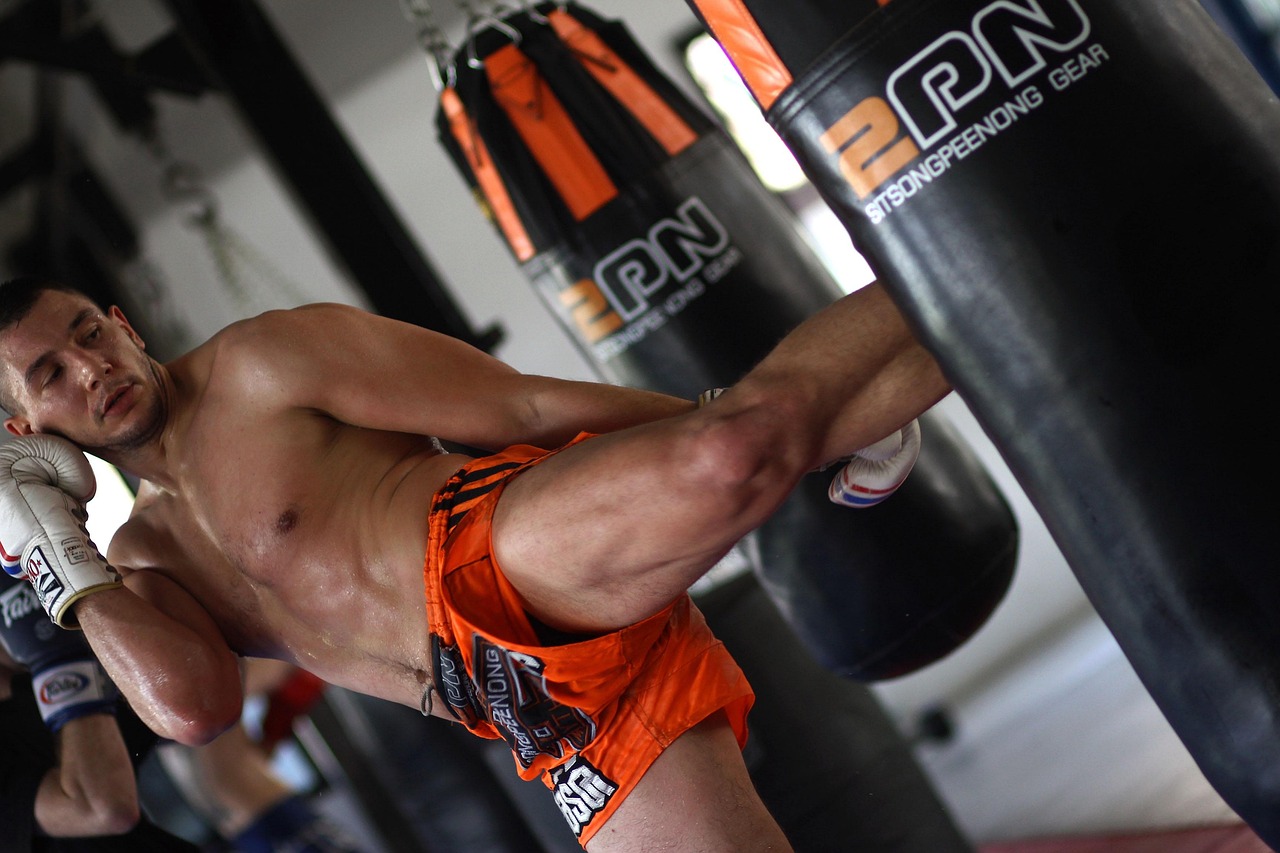
Each martial art discipline may require specific cardio drills for optimizing performance. For instance, boxers might focus on skipping rope or shadowboxing as both enhance footwork and cardiovascular conditioning simultaneously. In contrast, martial artists practicing Brazilian Jiu-Jitsu should prioritize drills related to ground mobility and grappling endurance, such as rolling and resistance training. For Muay Thai, incorporating clinch work, pad drills, and rhythm training strengthens techniques while enhancing aerobic performance. Every pattern of movement is carefully crafted to ensure efficiency during combat. As you formulate your own training programs, ensure that these sport-specific drills integrate varied intensities to align closely with fight conditions. Establish a balance between long-duration runs and higher intensity intervals, allowing for bursts that simulate fight scenarios. Keeping sessions varied and engaging ensures continued motivation and improvement in cardiovascular capacity. Furthermore, experimenting with cross-training techniques from different martial arts can provide a unique conditioning benefit and prevent burnout. This variety in cardio drills keeps practitioners engaged and continuously challenges their fitness levels, leading to enhanced performance in their respective martial arts disciplines.
Incorporating technology can further elevate cardio training for martial arts. Wearable fitness trackers and heart rate monitors provide immediate feedback regarding heart rate levels and overall effort during workouts. Analyzing data from training sessions helps athletes adjust their intensity and duration for optimal improvements. Mobile applications and devices also offer tailored workouts, ensuring that athletes remain challenged and engaged. Some apps provide sport-specific cardio routines that match the athlete’s discipline, ensuring efficient use of time spent training. Understanding how to leverage technology properly can lead to significant enhancements in athletic performance. Video recordings of sparring sessions combined with heart rate data can identify weaknesses in stamina or endurance among fighters. Establishing specific performance objectives can also motivate martial artists to push their limits. Having tools that analyze fitness metrics allows athletes to quantify improvements systematically. This quantification not only measures progress over time but amplifies the effectiveness of cardio conditioning efforts. By marrying cardio training with the latest technological advancements, martial artists can enhance their approach to conditioning and better prepare for rigorous training regimens and competitions.
Conclusion: Establishing a Comprehensive Cardio Plan
Creating a comprehensive cardio plan tailored to martial arts is essential for optimal performance. This plan should encompass all necessary elements, including endurance, strength, explosive power, and recovery strategies. Start by assessing your current fitness levels and specific martial art demands; personalize the cardio routine accordingly. Including diverse cardio methods such as HIIT, sport-specific drills, and strength-endurance combo workouts ensures well-rounded conditioning. Make sure to allocate days for recovery to prevent fatigue and injuries, allowing the body to adapt effectively to training stress. Consistency in training will yield the best results, so aim to train regularly while modifying the intensity as improvements occur. Additionally, pay close attention to nutrition, hydration, and rest, as these factors will contribute significantly to overall performance. Evaluate training effectiveness through data, adjusting plans whenever necessary to ensure continued progress. Engaging with coaches or experienced peers may assist in refining techniques and strategies. By sticking to a well-structured cardio plan tailored for martial arts, athletes will develop enhanced endurance and stamina, preparing them to excel in their respective martial arts competitions.
This is another paragraph with exactly 190 words…