
Developing Pacing Strategies for Olympic Triathlon Racing
Triathlon racing requires athletes to develop efficient pacing strategies that maximize performance throughout the race. Proper pacing is crucial, as each segment—a swim, bike, and run—demands varying energy expenditure. Athletes must learn to distribute their effort correctly to avoid burnout. A well-planned strategy helps maintain optimal performance levels. Pacing involves understanding individual limits, which are often experienced through previous training and competition. Methods for effective pacing can include utilizing perceived exertion levels and monitoring heart rate. Each athlete’s threshold will differ, influenced by fitness and experience. Recognizing when to push oneself and when to conserve energy becomes vital. Athletes may also benefit from practice racing, where they can apply pacing strategies under competitive conditions. This practice aids in identifying personal optimal pacing for each segment, which is essential for success in Olympic distances. Therefore, athletes are encouraged to experiment with pacing during training sessions. Over time, observations and feedback help refine these strategies to improve race-day execution. Using a combination of techniques will aid athletes in achieving their best results during Olympic triathlon competitions.
Prioritizing nutrition is essential in the development of effective pacing strategies for an Olympic triathlon. The energy demands of swimming, biking, and running require a well-thought-out nutritional plan. Consuming the right balance of carbohydrates, proteins, and fats can enhance performance and support recovery. Each athlete must understand their personal needs. During training, it is important to experiment with various nutrition strategies to find what works best. Consuming carbohydrates before and during exercise can help maintain energy levels. Hydration is another critical element of race preparation. Dehydration can severely impair performance, making it crucial to drink adequate fluids before, during, and after the event. Electrolyte balance should also be considered for optimal muscle function. Testing nutrition strategies during long training sessions mimics race conditions. This will help identify which foods and fluids are well tolerated. Furthermore, planning nutrition intake based on the pacing strategy helps athletes avoid potential crashes. Effective nutrition management paired with pacing strategies ultimately impacts overall race success. Athletes who invest time in planning their nutrition usually notice significant improvements in their performance and recovery times.
Incorporating Technology
Modern training techniques often include technology to track pace and performance in Olympic triathlon. Various devices—such as GPS watches, heart rate monitors, and cycling power meters—can provide critical data to inform pacing strategies. Understanding this information allows athletes to make adjustments based on real-time feedback. For example, a heart rate monitor can help assess if an athlete is working too hard or not hard enough during each segment. Similarly, a power meter can give insights into cycling efficiency, enhancing strategy formulation. Utilizing these metrics during training can help athletes determine their ideal pacing across each discipline. Triathletes can analyze data after each training session to identify patterns and improve pacing techniques. This analytic approach assists in building confidence and competence in pacing strategies ahead of races. However, it’s essential to balance reliance on technology with the athlete’s instincts and experiences. Over time, athletes should develop a more intuitive sense of pacing, ensuring they can react effectively race day. Ultimately, integrating technology into training, coupled with instinctive pacing adjustments, can empower athletes toward significantly enhancing their Olympic triathlon performance.
Visualization techniques can enhance pacing strategy development for Olympic triathlon racing. By mentally rehearsing the race, athletes can prepare for various scenarios and challenges they may face during the event. This preparation helps to reduce anxiety and build confidence leading up to race day. Athletes can visualize maintaining a steady pace throughout each segment, which creates a mental blueprint to follow during the actual race. Moreover, visualizing successful pacing strategies creates familiarity with how their body should feel at different intensity levels. Incorporating this practice into regular training sessions helps athletes establish a connection between their mind and body. This internal connection can be vital when the race environment becomes overwhelming or difficult. Practicing these techniques regularly fosters a sense of control, helping athletes stick to their pacing plan even when faced with fatigue. In addition, discussing visualization techniques with coaches can yield personalized strategies. Coaches can provide insights and feedback to further refine mental preparedness. Athletic performance in triathlons is not just physical; psychological strategies play a critical role in racing outcome. By adopting visualization techniques, athletes gain an advantage in pacing execution, often leading to enhanced race outcomes.
Monitoring and Adjusting
Monitoring pacing during Olympic triathlon events is key for success. Athletes should develop techniques to assess their performance on race day. This can include keeping track of lap times and maintaining awareness of perceived effort. Monitoring helps identify points during the race where adjustments may be necessary to maintain an optimal pace. Athletes might find themselves starting too fast or losing speed later in the race due to fatigue. Therefore, it is essential to be flexible and ready to adapt pacing strategies in real-time. Utilizing technology, such as watches that provide split times, can assist in this effort. However, relying too heavily on devices can lead to distraction. Finding a balance between technology and self-awareness is crucial. Properly adjusting pacing at different race stages contributes to better overall performance. Each segment of the race may require a distinct approach based on the athlete’s energy levels and environmental factors. One method is to focus on completing each segment within a specific time frame while conserving enough energy for a strong finish. This disciplined mindset guides athletes towards achieving their desired outcome, regardless of race-day variables.
Practicing transitions efficiently plays a significant role in pacing for Olympic triathlon racing. The transition periods—between swimming, biking, and running—can influence an athlete’s overall performance. Unprepared transitions may lead to unnecessary time loss and energy expenditure. Developing a transition strategy during training is crucial to reduce the time spent between segments. Athletes should familiarize themselves with their transition area layout, ensuring all equipment is organized for quick access. Practicing these skills regularly enables smoother transitions on race day. Familiarity helps reduce stress levels, allowing athletes to focus on their pacing strategies instead of scrambling at transition points. Concentration during transitions minimizes impacts on pacing. For instance, a rushed transition can elevate heart rates, leading to hurried pacing decisions. Therefore, effective breathing techniques during these short breaks of effort can help stabilize heart rates and return to a comfortable pace faster. In summary, honing transition techniques will directly benefit overall pacing strategy and ultimately enhance performance. Athletes that prioritize and practice efficient transitions often enjoy marked improvements in their finish times, showcasing the importance of this aspect in Olympic triathlon preparation.
Race Day Execution
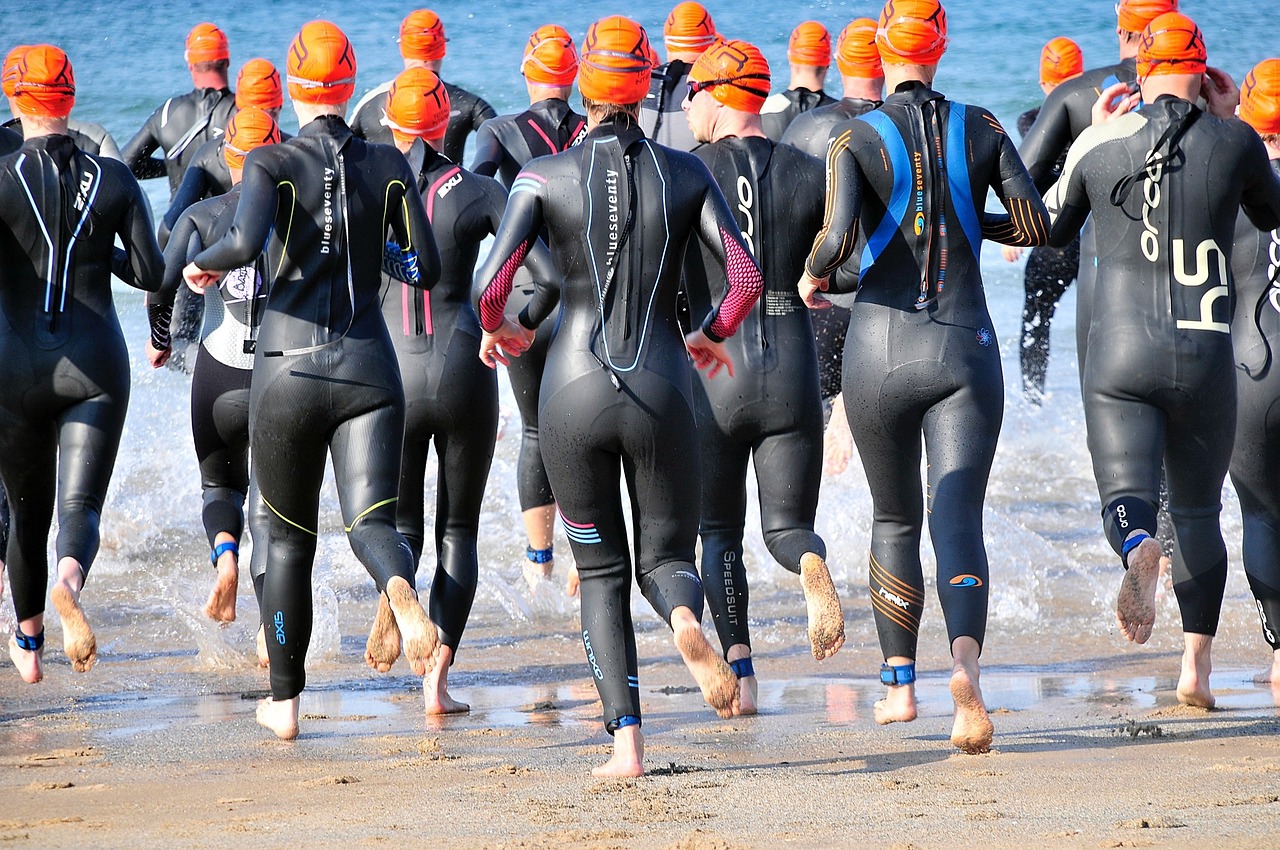
On race day, executing a well-structured pacing strategy is crucial to achieving desired outcomes in Olympic triathlon. Athletes should recall their trained strategies when the pressure of competition intensifies. The real challenge is often managing the excitement and adrenaline that can lead to an unsustainable pace. Starting cautiously can be particularly beneficial as it allows athletes to gauge their energy levels and assess how they feel. During the swim segment, it’s important to resist the temptation to keep up with faster swimmers, as conserving energy is vital. On the bike, maintaining a steady effort will lay the groundwork for a successful run. Monitoring effort levels rather than speed can support sustainable pacing during cycling. Athletes should continually assess their heart rate and perceived exertion throughout. Finally, during the run segment, being mindful of energy distribution becomes paramount. A pre-planned nutrition and hydration schedule must be observed to prevent fatigue. Remaining focused on pacing during concluding moments aids in managing effort for a strong finish. Recognizing race dynamics along with maintaining pacing discipline often leads to personal bests and successful triathlon experiences.
In conclusion, developing effective pacing strategies for Olympic triathlon racing requires a multi-faceted approach. Athletes must integrate physical training, nutrition management, technology use, visualization techniques, and refined transition skills. It is essential for athletes to prioritize practicing pacing techniques during training sessions. When these strategies are honed, a superior execution of those strategies on race day becomes achievable. Individualized pacing plans should be evaluated and adjusted consistently based on training data and race experiences. Furthermore, mental preparedness plays a significant role in ensuring that athletes can stay focused under pressure. On race day, the balance between excitement and discipline will establish how well one keeps to their pacing strategy. Each athlete’s journey in their pacing development is unique, shaped by experiences, insights, and personal goals. Ultimately, the complete integration of these diverse elements leads to a well-rounded preparation that enhances performance potential. Therefore, commitment to continuous improvement will yield results. By effectively managing pacing and adapting strategies to individual needs, triathletes can unlock their maximum potential and achieve their competitive aspirations in Olympic triathlon racing.