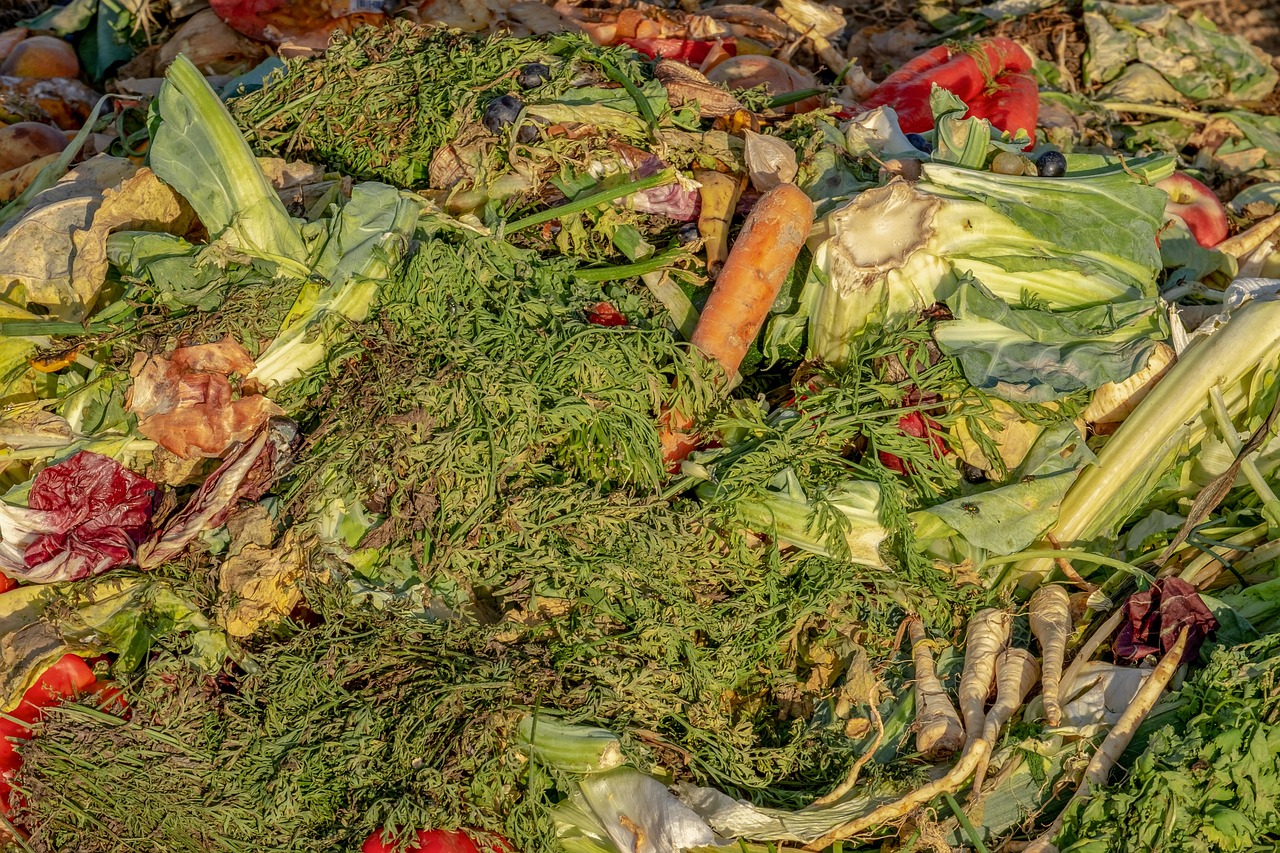

Composting and Its Role in Reducing Landfill Waste
Composting serves as an innovative method for recycling organic waste, effectively reducing landfill waste and promoting sustainability. By transforming kitchen scraps and yard debris into nutrient-rich compost, we can significantly decrease the amount of waste sent to landfills. This process harnesses the natural decomposition of organic materials, leveraging aerobic microorganisms to recycle nutrients into the soil. The cascading benefits of composting extend beyond merely reducing waste; it enriches the soil, improves its structure, and enhances moisture retention. Furthermore, composting minimizes the necessity for chemical fertilizers, significantly benefiting the environment and promoting nutrient cycling in ecosystems. In addition, composting aids in curbing methane emissions caused by decomposing organic waste in landfills, making it a vital step towards combating climate change. Schools, businesses, and households can adopt various composting methods, ranging from simple backyard solutions to more complex commercial systems. By widely implementing composting practices, communities can cultivate greener urban spaces, improving air and soil quality while ensuring sustainable growth. Thus, understanding and adopting effective composting methods remains critical in enhancing our environmental fitness efforts.
One effective method is the traditional pile composting technique, which can be carried out in backyards or gardens. This method is simple and requires no special equipment, yet it allows for large amounts of organic waste to be processed efficiently. In pile composting, materials such as fruit peels, vegetable scraps, and grass clippings are layered to create a heap. The pile is then turned periodically to increase aeration, facilitating faster decomposition. Another notable technique is the use of compost bins, which can be enclosed or open. These bins provide a neat way to manage kitchen scraps and garden waste while minimizing odors and pests. With the enclosed bins, composting can be contained, and the environment controlled to enhance decomposition. Moreover, worm composting or vermicomposting utilizes red worms to process organic waste at a remarkable speed. This method is particularly effective for indoor composting since it can be performed in small containers or bins within homes or apartments. Each method contributes to reducing landfill waste and supports various lifestyles and available spaces. Experimenting with different techniques can help individuals find the most suitable composting system.
The Benefits of Composting for Waste Reduction
Embracing composting not only reduces landfill waste but also fosters beneficial outcomes for gardens and agricultural practices. Compost, created from decomposed organic matter, serves as an excellent soil amendment. It boosts soil fertility while enhancing its structure and texture, allowing for improved drainage and better absorption of nutrients. This rich humus-like compost encourages healthy plant growth which nurtures more robust ecosystems. In addition to its agricultural end benefits, composting greatly lessens waste disposal costs for households and communities. With less waste entering landfills, the expenses associated with garbage collection, landfill maintenance, and environmental restoration can also diminish. Citizens actively contributing to waste reduction via composting ensure that landfills do not reach capacity as quickly, thus prolonging the lifespan of existing waste management systems. Moreover, the practice of composting promotes environmental responsibility. It cultivates a sense of awareness regarding waste management among individuals, encouraging them to minimize their overall waste generation. As communities rally around composting initiatives, they can build a culture of sustainability that influences future generations. Thus, the various benefits of composting extend well beyond mere waste reduction.
However, challenges associated with composting should not be overlooked. Some individuals may hesitate to adopt composting due to misconceptions regarding odors, pests, or the materials that can be composted. Properly managed compost piles or bins are typically odorless and attract minimal pests; therefore, education about correct practices is crucial. Choosing the right location for composting will further mitigate issues, providing ample space while ensuring good drainage and aeration. Another concern is the time required for composting to produce usable compost; it may take months depending on the method. However, through regular maintenance and understanding of the carbon-nitrogen balance, results can be expedited. Inquiring about local composting workshops can prove beneficial for novice composters, allowing participants to learn hands-on techniques. Additionally, community composting programs can provide guidance and resources to address these challenges. Establishing supportive networks fosters a compost-friendly mentality that can greatly benefit waste reduction efforts. Ultimately, overcoming these hurdles will enhance overall community participation in composting initiatives, reinforcing the importance of environmental fitness concerns surrounding waste management.
Innovative Composting Techniques
Modern technology has introduced various innovative composting techniques, making it easier for individuals and communities to engage in sustainable waste management practices. The advent of electric composters provides an efficient solution for those with limited space or resources. These devices break down organic materials at an accelerated rate, producing compost within hours. Although the initial investment may seem steep, the long-term advantages can outweigh costs through enhanced waste diversion efforts. Similarly, in-vessel composting systems offer a more controlled environment. These closed systems accommodate a wide range of materials, including meat and dairy products. By controlling temperature and aeration within the vessel, the breakdown process is enhanced, producing high-quality compost in a relatively short timeframe. Additionally, aerated static pile composting utilizes the principles of forced aeration to speed up decomposition. This method is particularly beneficial for larger-scale composting operations, allowing vast quantities of organic waste to be processed simultaneously. The versatility of these innovative techniques demonstrates the potential for composting to evolve alongside our growing waste management needs. As technology advances, opportunities to reduce landfill waste through composting may expand, making it accessible for all.
The importance of community engagement in composting practices cannot be overstated. Initiatives that involve local schools, businesses, and community organizations can significantly expand the reach and effectiveness of composting efforts. Educational programs targeting schools can inspire a new generation of environmentally-conscious citizens, instilling a sense of responsibility for waste management from a young age. Implementing composting stations in public parks and community gardens further provides accessible methods for residents to participate actively in waste reduction. Collaboration between local governments and citizens can also increase composting awareness, leading to larger-scale recycling initiatives. Providing incentives for households to adopt composting practices can result in greater participation. Additionally, establishing compost drop-off points for residents who may not have the capacity to compost at home can enhance community involvement effectively. Harnessing the power of social media to share success stories and tips can build momentum around composting initiatives, creating a network of support and inspiration. Thus, fostering community engagement plays a critical role in maximizing the potential of composting, transforming waste into valuable resources while addressing environmental fitness concerns.
Conclusion: Embracing Composting
In summary, composting emerges as a powerful solution to reduce landfill waste, enrich soil, and cultivate sustainable practices. Its primary role lies in transforming organic waste into nutrient-rich compost, enhancing soil quality and preventing harmful greenhouse gas emissions. Various methods, including traditional pile composting, worm composting, and innovative systems like electric composters, cater to diverse preferences and environments. The benefits of composting not only impact individual gardeners and farmers but extend to entire communities by lessening waste disposal costs and fostering environmental responsibility. Moreover, continuous education and community engagement create a supportive framework for successful composting practices. Overcoming challenges related to odors, space, and misconceptions becomes feasible through information sharing and collaborative efforts. By encouraging participation from individuals, households, and local organizations, we move closer to a culture of sustainability. Embracing composting as a viable waste management solution can provide extensive environmental benefits, enhancing our overall environmental fitness. As more citizens adopt such practices, communities can look forward to greener, healthier surroundings while actively combating climate change, leaving a legacy of responsibility and care for the planet.
As we promote composting within our communities, it is essential to remember the individual impact each person can have. Simple steps such as maintaining a compost bin at home or participating in local initiatives contribute significantly to the overarching goal of reducing landfill waste. Experimenting with different composting methods allows individuals to find what works best for their household or garden. Thus, fostering a personal commitment to composting can help create a ripple effect within communities, inspiring others to follow suit. Sharing composting successes through social media, local groups, or neighborhood initiatives can act as motivational drivers for those who may still hesitate. Additionally, consistently emphasizing the environmental benefits helps clarify the bigger picture and connect individual actions to broader sustainability goals. Ultimately, composting allows us to rethink our waste management strategies and can fundamentally change how we perceive waste. Awareness of the importance of composting creates a shift in perspective about how we regard organic materials, recognizing that they possess intrinsic value. With ongoing effort, education, and community collaboration, composting can transform waste into a resource, forging a path towards a greener future.