
Yoga Equipment Essentials: What You Really Need
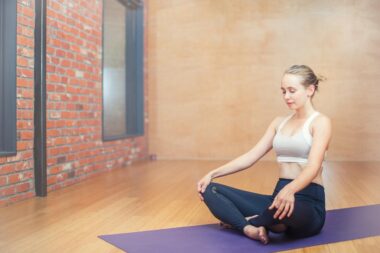
Yoga has gained immense popularity and many practitioners wonder what equipment is necessary to begin their journey. While yoga can be practiced without any equipment, certain tools can enhance your experience significantly. First and foremost, a good quality yoga mat is essential for practicing comfortably and safely. It provides support and stability while preventing slipping during poses. Additionally, a mat can help define your personal space during classes. Next, consider investing in yoga blocks, which can assist in achieving better alignment and depth in your poses. These are especially helpful for beginners as they provide support and help in building strength and flexibility. A strap can also be beneficial, as it aids in stretching and reaching for limbs in various postures. Finally, comfortable clothing is important; it should be breathable, flexible, and allow for ease of movement. If you want to practice yoga outdoors, lightweight and portable accessories can come in handy too. Remember that the most important part of your yoga journey is your mindset and commitment to practice regularly.
Besides the essential equipment, some additional accessories can greatly enhance your yoga practice. These items, while not mandatory, can help tailor your experience to your personal preferences. For instance, a bolster can provide support during restorative poses, assisting with relaxation and alignment. Many yoga enthusiasts find that having a comfortable cushion or blanket helps them stay focused during meditation. Furthermore, a yoga wheel can be an innovative tool for deepening stretches and improving flexibility. If you enjoy aromatherapy, consider using essential oils or scented candles during your sessions to enhance the overall atmosphere. Music can also play a vital role; soft instrumental tracks create an inviting environment, making it easier to focus and center yourself. You may want to have a water bottle nearby for hydration, especially during intense sessions. Some practitioners benefit from journaling their yoga experiences, so having a notebook can be quite valuable. Always remember, the journey through yoga is unique to everyone; invest in what resonates with you for a fulfilling practice.
Choosing the Right Yoga Mat
The type of yoga mat you choose can significantly affect your practice and comfort. When selecting a yoga mat, consider the material because it impacts grip and durability. PVC mats are common as they offer excellent grip and cushioning, but some individuals opt for eco-friendly alternatives like natural rubber or jute. Thickness is another factor; thicker mats can provide additional comfort for sensitive joints, while thinner mats promote better balance. Texture also matters; a textured surface can prevent slipping, which is essential during more dynamic practices like Vinyasa or Ashtanga. Additionally, size can vary; taller individuals may require longer mats for adequate space during asanas. A travel mat is useful for those who are frequently on the go and need something light and portable. Don’t forget to keep your mat clean; regular washing and maintenance extend its life and keep it hygienic. Lastly, a mat bag or strap can assist in carrying your mat conveniently to classes. Choose a mat that feels right for you and matches your practice needs.
Another vital piece of equipment is the yoga block, which is highly versatile and beneficial. Yoga blocks support your body in achieving proper alignment and depth in various poses, particularly for beginners. They allow for modifications, enabling practitioners to gradually work on difficult poses without straining. When using blocks, you can find more comfort in reaching poses that may initially feel out of reach. Blocks come in various materials, such as foam, cork, or wood. Foam blocks are lightweight and offer good support while also being easy to transport. Cork blocks are sturdier and add a natural feel, while wooden blocks provide durability and stability. Incorporating blocks into your practice creates opportunities for more fluid transitions between poses and enhances your overall experience. Moreover, they are excellent for restorative and yin yoga practices as they aid in relaxation. Consider including a pair of yoga blocks in your essential gear to deepen your practice and exploration of various asanas.
The Benefits of Yoga Straps
Yoga straps are additional tools that many practitioners may overlook. However, they can significantly enhance your flexibility and ability to perform poses correctly. Straps can assist in stretching and help you achieve positions that might otherwise be challenging. For instance, when you’re working on your hamstring flexibility in seated poses, straps provide support by allowing you to grip your foot without overstretching. They come in different lengths and materials, so you can select one that suits your needs and comfort. By utilizing a strap, you also learn to engage your muscles properly and increase awareness in your practice. Straps can be particularly useful in various styles of yoga, including restorative and Hatha, where alignment is key. Additionally, they encourage mindfulness and help in achieving physical balance by extending your reach, promoting better execution of poses. With regular use, you’ll notice an improvement in flexibility and confidence. Make sure to invest in a high-quality yoga strap that meets your requirements for the best practice experience.
A good pair of yoga pants or shorts is equally vital for a comfortable practice. Comfort can directly impact your focus and ease during each session. When selecting yoga clothing, opt for material that allows for breathability and flexibility. Fabrics such as cotton, polyester blends, or moisture-wicking textile help regulate body temperature and prevent discomfort as you sweat. Many prefer leggings as they allow for freedom of movement and provide coverage during inverted poses. Ensure that your outfit is not too loose, as it may restrict movement or lead to distractions. You’ll want to avoid pants that are sheer or that ride up during practice, as this can be quite bothersome. Look for clothing that fits snugly but does not constrict your body. Also, choose items with flat seams to prevent irritation. For those practicing in colder climates, layering is essential, so having a warm jacket or zip-up top is advisable before and after sessions. Ultimately, wear what makes you feel confident and comfortable throughout your yoga journey.
Finishing Touches for Your Practice
To complete your yoga setup, consider other finishing touches that enhance your experience. Some practitioners find that having a dedicated space for yoga practice at home creates a peaceful environment that encourages consistency. Personalizing your space with calming decor or natural elements can positively impact your mindset. Additionally, using a meditation cushion is a great investment for those who regularly meditate, as it provides comfort and support. Having a journal nearby to document your progress or insights can aid in reflection and personal growth throughout your yoga journey. Ambient lighting, such as soft lamps, can also create a soothing atmosphere conducive to practice. If you enjoy the benefit of guided instruction, a subscription to an online yoga platform may provide a plethora of resources at your fingertips. Furthermore, consider surrounding yourself with motivational quotes or images that inspire you during your practice. Lastly, engage with a community, whether online or locally, as yoga is often more enriching when shared with others. Enjoy exploring the depths of yoga with the right tools and a positive mindset!