
Winter Dance Fitness Classes for Kids and Teens
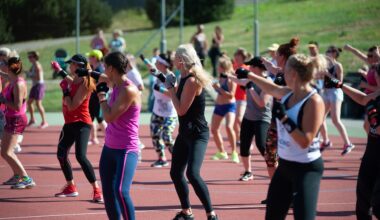
As winter approaches, keeping children and teens active might seem challenging due to the cold weather. However, winter brings exciting opportunities, especially through dance fitness classes designed for young people. These classes not only keep kids warm but also stimulate physical movement, fostering important health habits early in life. Dance fitness combines fun and exercise, providing a perfect outlet for energy during wintry days. Popular dance styles like hip-hop, jazz, and contemporary can be tailored to engage various age groups, ensuring every child finds their dancing feet. Moreover, dance classes offer a platform for social interaction, helping kids develop friendships and teamwork skills. They learn routine, rhythm, and coordination while enjoying the music. Many community centers and studios offer seasonal classes, providing easily accessible options for families. Parents can explore local options, often finding affordable rates. Engaging in dance fosters creativity and self-expression among the youth, which is crucial for their overall development. Therefore, it’s essential to encourage participation in winter dance fitness classes, making exercise a joyful routine. Don’t let the winter blues stop active fun – inspire kids to dance their way through the season!
When considering winter dance fitness classes, it’s essential to look for age-appropriate options that fit each child’s skill level. Many studios provide beginner, intermediate, and advanced classes tailored to different ages. These differentiated levels ensure that every participant can learn at their own pace, making the experience enjoyable and non-intimidating. Furthermore, dance fitness can provide crucial benefits beyond physical health. As children engage in rhythmic movements, they may experience improved mental health and emotional well-being. Dance has been shown to boost mood and confidence, empowering kids to express themselves while staying active. Local recreational centers and schools often host workshops during winter break, accommodating families looking for structured activities for their kids during the holidays. Additionally, parents should inquire about the instructors’ experiences with youngsters, ensuring a positive and safe learning environment. Being part of a dance class can also improve discipline, focus, and perseverance in children, which are beneficial in their academic lives. Ultimately, these classes serve as a delightful way for kids and teens to embrace winter fitness while discovering their passion for dance.
Types of Dance Classes Available
Several types of dance classes are available for children and teens during winter, each addressing various interests and styles. Hip-hop classes are particularly popular among youth, emphasizing energetic movement with contemporary music. These classes allow dancers to follow choreography and express personal flair. Ballet offers a structured approach, teaching grace and technique foundational to many other dance styles. This classical form can enhance overall body strength and flexibility while instilling a sense of discipline and focus. Jazz dance combines elements from both ballet and hip-hop and encourages dancers to improvise, enabling creativity. Contemporary dance is also gaining traction, focusing on expressing emotions through movement, which appeals greatly to teenagers seeking an artistic outlet. If interested, kids can also explore more cultural forms such as African dance or salsa, enriching their understanding of global dance traditions. Ideally, joining dance classes during winter can introduce children to styles they’ve yet to explore. Many studios may also offer themed classes during holidays, such as winter wonderland dances, making it even more exciting. Therefore, parents should keep an eye out for diverse options in their locality.
The importance of community in dance fitness cannot be overstated, especially in winter months. Dance classes create a sense of belonging, allowing children to find peers who share similar passions. Whether it’s through group performances or informal dance-offs, the connection formed helps boost social skills essential in their formative years. Also, dance showcases, where kids can perform what they’ve learned, build confidence in their abilities. Schools and community centers often organize end-of-term shows, giving students a chance to shine on stage. This recognition can have lasting positive implications for their self-esteem. Parents play a vital role by encouraging their children to practice and supporting them through this creative journey. Additionally, involving the family in dance activities or seeking classes that allow parents to join can enhance bonding. Studios may offer family dance nights, enabling everyone to participate. Importantly, it’s about making movement a joyful experience, reinforcing that fitness can be fun and engaging. By fostering positive associations with physical activity through dance, parents help set foundations for a lifetime of healthy habits.
Nutritional Considerations for Young Dancers
While participating in winter dance fitness classes, proper nutrition is crucial to maximize performance and ensure adequate energy levels. Dancers require a balanced diet rich in carbohydrates, proteins, fats, vitamins, and minerals to fuel their bodies adequately. A well-structured meal plan can support their growth, energy, and recovery. Ideal pre-dance snacks include fruits, whole grains, and light proteins to provide sustained energy without heavy feelings. Chocolate milk and smoothies can be excellent post-dance options, aiding in muscle recovery. Parents can work with nutritionists or dance instructors to design meal plans suited for their little dancers. In winter, it’s also important to consume foods that strengthen the immune system, especially since dance classes can expose kids to others. Incorporating seasonal fruits and vegetables like oranges, carrots, and greens can help keep illness at bay. Staying hydrated is equally important for young dancers. Especially in heated indoor spaces during the winter, they might overlook hydration. Offering water bottles during practices can help remind them to maintain fluid intake efficiently. This comprehensive approach to nutrition will ensure kids perform their best while enjoying every minute of their dance class.
Winter dance fitness classes not only support physical health but also incentivize creativity and self-expression in children. Engaging in art through movement stimulates their cognitive capabilities, improving spatial awareness and coordination as they learn different routines. Dance teaches kids how to express emotions without words, an important skill in today’s communication-heavy world. Many psychologists even advocate dance as a form of therapy, benefiting children’s emotional health profoundly. These classes can also promote leadership qualities, as some students may be asked to lead warm-ups or help newer class members. As they advance in their dance careers, they can also foster mentorship opportunities for younger dancers. Furthermore, recognizing achievements, be it mastering a challenging choreography or gaining flexibility, boosts motivation among young participants. Competitions and festivals encourage kids to showcase their skills and meet others with similar interests, nurturing a sense of camaraderie. Hence, ensuring that the benefits derived from winter dance classes extend beyond physical fitness into personal growth is vital, enabling young dancers to thrive in various aspects of their lives. Establishing this foundation will encourage lifelong connections to art and movement.
Finding the Right Class
When searching for the perfect winter dance fitness class, consider factors like location, class size, instructor experience, and the overall environment. Parents should aim to find a class in a convenient area, making drop-off and pick-up easier, especially during cold months. Smaller classes often allow for more personalized attention, ensuring that instructors can guide each dancer effectively. Researching instructor backgrounds can provide insight into their teaching styles and how they work with children. A welcoming and inclusive atmosphere is key, where instructors genuinely care about each child’s progress. Local online forums, community boards, and social media groups can also be resources for finding reputable studios. Reading testimonials from other parents can offer insights into their experiences and recommendations about classes. Many studios provide trial classes; encourage your child to attend these to gauge comfort and enjoyment levels. Don’t forget to inquire about the class structure, ensuring it aligns with your child’s interests and energy levels. This due diligence is important to foster a love for dance, providing a positive foundation for your child’s fitness journey.
Lastly, preparing for winter dance fitness classes includes equipping kids with the right attire. It’s vital to ensure that children have appropriate clothing that allows freedom of movement while keeping them warm. Dancewear such as leggings, fitted tops, and lightweight jackets can be ideal during winter. Footwear is also essential; proper dance shoes suited for their chosen style can enhance performance and protect their feet. Remove any bulky jackets before class begins to allow for comfortable movement. Additionally, layering can be a helpful strategy. For instance, wearing a light top under a jacket ensures warmth without sacrificing flexibility. Parents should regularly check for proper fitting as growing kids outgrow their clothes quickly. Teaching kids about the importance of comfortable attire in dance fosters a sense of responsibility and preparedness. Dance studios often provide dress code recommendations, so it’s advisable to follow those closely. This attention to outfit details not only helps them perform better but also boosts their confidence when participating in classes. Overall, ensuring kids are well-prepared boosts enthusiasm for their dance fitness journey throughout the winter.