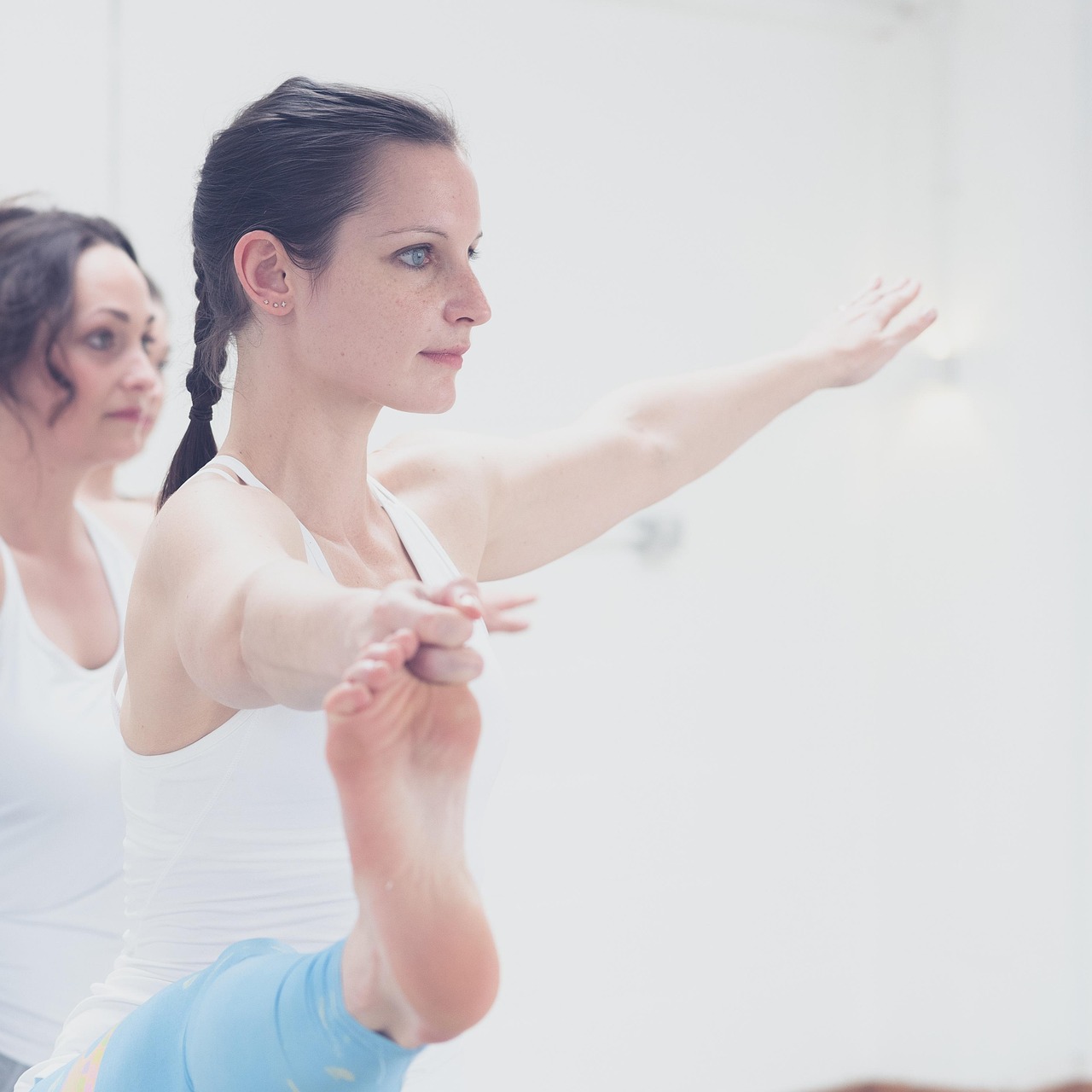

The Importance of Cool-Down Exercises for Improving Flexibility
Cool-down exercises are a vital component of any fitness routine, and they play a significant role in improving overall flexibility. After an intense workout, the body needs time to transition from a high-energy state to a state of rest. This transition is essential to prevent injury and reduce muscle soreness. Engaging in a proper cool-down routine helps in lengthening the muscles and prevents stiffness. Stretching after workouts increases blood circulation, which aids in recovery. Moreover, it can relieve tension that accumulates in the muscles during exercise. Incorporating directed cool-down activities like stretching, yoga, or gentle movements can help maintain flexibility levels. It gets the muscles ready for their next workout session, minimizing risks of strains and sprains. Depending on your fitness goals, the type of cool-down you choose may vary. However, being mindful of this essential part can greatly impact your performance. Ultimately, dedicating time to cool-down can enhance your overall physical conditioning and flexibility in the long run.
To maximize flexibility, specific techniques and stretches should be considered. Dynamic stretches, performed during warm-ups, prepare your muscles for activity. They are fantastic for increasing blood flow and range of motion. Post-workout static stretches, on the other hand, are essential for cool-down. These are held for a longer duration and provide a deeper stretch. For example, holding a hamstring stretch for 30 seconds allows your muscles to relax and lengthen. Furthermore, using tools such as foam rollers during cool-downs can enhance flexibility. Foam rolling helps release muscle tightness and improves overall mobility. It targets fascia and underlying muscles effectively, making subsequent stretches more efficient. It’s critical to focus not only on major muscle groups but also on smaller, often neglected areas like the hips and shoulders. Integrating mobility exercises can also support long-term flexibility goals. Remember to breathe deeply during your stretches; this aids relaxation and muscle elongation. Thus, the combination of different techniques is the key to achieving and maintaining optimal flexibility in your body.
With consistent cool-down practices, you will notice remarkable improvements in your flexibility over time. Regularly incorporating stretching routines can lead to greater ease of movement, allowing for better performance in activities. Improved flexibility contributes to better posture as well, which is crucial for both aesthetic and health reasons. When you have good posture, the body is better aligned, reducing undue stress on muscles and joints. Additionally, enhanced flexibility allows for more efficient movement patterns, supporting injury prevention. Activities become less daunting, and daily tasks feel more manageable. Athletes often experience significant gains in their abilities thanks to focused cool-down routines that include flexibility-based exercises. These benefits do not come overnight; consistency is the key. Make it a habit to cool down after every workout, regardless of its intensity. Over time, you will find yourself more limber and agile. This not only enhances performance in sports but also makes day-to-day activities easier. To sum up, embracing cool-down methods not only improves flexibility but also enhances overall functionality.
Types of Cool-Down Exercises
There are various types of cool-down exercises that can be integrated into your routine. First and foremost, static stretching is one of the most widely recognized methods. This involves holding specific stretches for a period and can engage multiple muscle groups. For example, a standing quadriceps stretch targets the front thigh muscles and is effective post-leg workouts. Another suitable cool-down exercise is the forward bend, which addresses the back muscles and hamstrings. In addition, yoga poses such as Child’s Pose or Downward Dog serve to facilitate relaxation while enhancing flexibility. Another effective technique involves dynamic stretches focusing on mobility, which can be performed gently to decrease heart rates gradually. These stretches not only improve flexibility but also engage the muscles and joints that were activated during the workout. Integrating gentle movements, such as walking or light jogging, can also be beneficial. This helps in gradually lowering the heart rate and calming the nervous system. Overall, a balanced mix of these different types of cool-down exercises is essential for optimal flexibility improvement.
Building a personalized cool-down routine involves understanding your unique fitness needs. Factors such as the intensity of your workout and individual flexibility levels must be considered when designing your routine. For instance, if you completed a high-intensity interval training session, your cool-down should encompass a longer sequence of stretches to address the increased muscle tension. Conversely, if your workout was lighter, a shorter series of stretches may suffice. Pay attention to areas that feel particularly tight or restricted. Addressing these specific muscles can lead to better recovery and enhance flexibility. Maintaining a journal of your workouts and cool-downs can help track progress in flexibility. Regular assessments can inform when adjustments to your routine are necessary. Additionally, being mindful of how your body responds to various stretches is crucial. Listen to your body signals and make variations as needed. Building a consistent cool-down regimen will support your overall flexibility goals and long-term fitness journey. Prioritize this phase as it sets the groundwork for future success and well-being.
Incorporating breathing techniques during your cool-down can significantly enhance the overall experience. Deep, controlled breathing helps to relax the body and mind while increasing oxygen flow. It is beneficial when held in various stretches. For example, inhaling deeply when reaching into a stretch helps deepen the pose while exhaling can aid in relaxing into the stretch. Over time, you will notice an increased ability to hold stretches for longer periods, positively impacting flexibility. Techniques such as diaphragmatic breathing can also be used during this time. Engaging the diaphragm allows for deeper breaths and enhances relaxation. The mind-body connection strengthens through focused breathing, promoting a sense of calm after intense workouts. Engaging in mindfulness practices post-exercise can complement breathing techniques and add an emotional dimension to your cool down. For those who struggle with mental focus during physical activity, this integration can provide considerable benefits. Ultimately, combining breathing with cool-down activities fosters a holistic approach to improving flexibility and well-being as a whole.
Conclusion: Benefits Beyond Flexibility
Consider the broader implications of a dedicated cool-down routine. Beyond flexibility, engaging in consistent cool-down exercises also provides mental benefits. They foster a sense of accomplishment and closure after workouts, solidifying the effort put into the session. This ritual can serve as a powerful motivation for subsequent workouts, creating a continuity that enhances discipline and dedication. Furthermore, allowing your body to recover promotes long-term fitness sustainability. Adequate recovery helps avoid burnout and keeps you mentally sharp and motivated. Cool-downs also reinforce the habit of self-care, highlighting the importance of listening to your body. As your overall flexibility improves, you may also discover newfound confidence in your physical capabilities. Consider setting goals related to your flexibility improvements, tracking progress with your cool-down routines. Enhancing your flexibility can open doors to new activities and sports you may not have previously considered. Ultimately, prioritizing cool-down exercises is a vital step in a well-rounded fitness regime, leading to benefits that extend far beyond mere flexibility.
Furthermore, remember to consult wellness professionals when incorporating new types of stretches or exercises. Seeking guidance can prevent injuries and ensure that you are using techniques correctly to maximize effectiveness. Professional advice can be invaluable in developing a personalized plan that suits your body’s needs. There are many online resources and videos available as well, which can guide you through various cool-down exercises. Whether you wish to refine your skills or seek inspiration, these may aid in enhancing your flexibility journey. Additionally, engaging in community classes focused on flexibility can offer motivation and support. This social aspect can make the process enjoyable and foster accountability. Online forums or local fitness groups can share experiences and tips for developing effective routines. By remaining consistent and open to change, you can evolve not only in flexibility but in your approach to fitness overall. Thus, the journey towards improved flexibility through cool-down exercises can be rewarding. Lastly, a focus on consistent cool-down practices will significantly impact both short-term achievements and long-term fitness success.