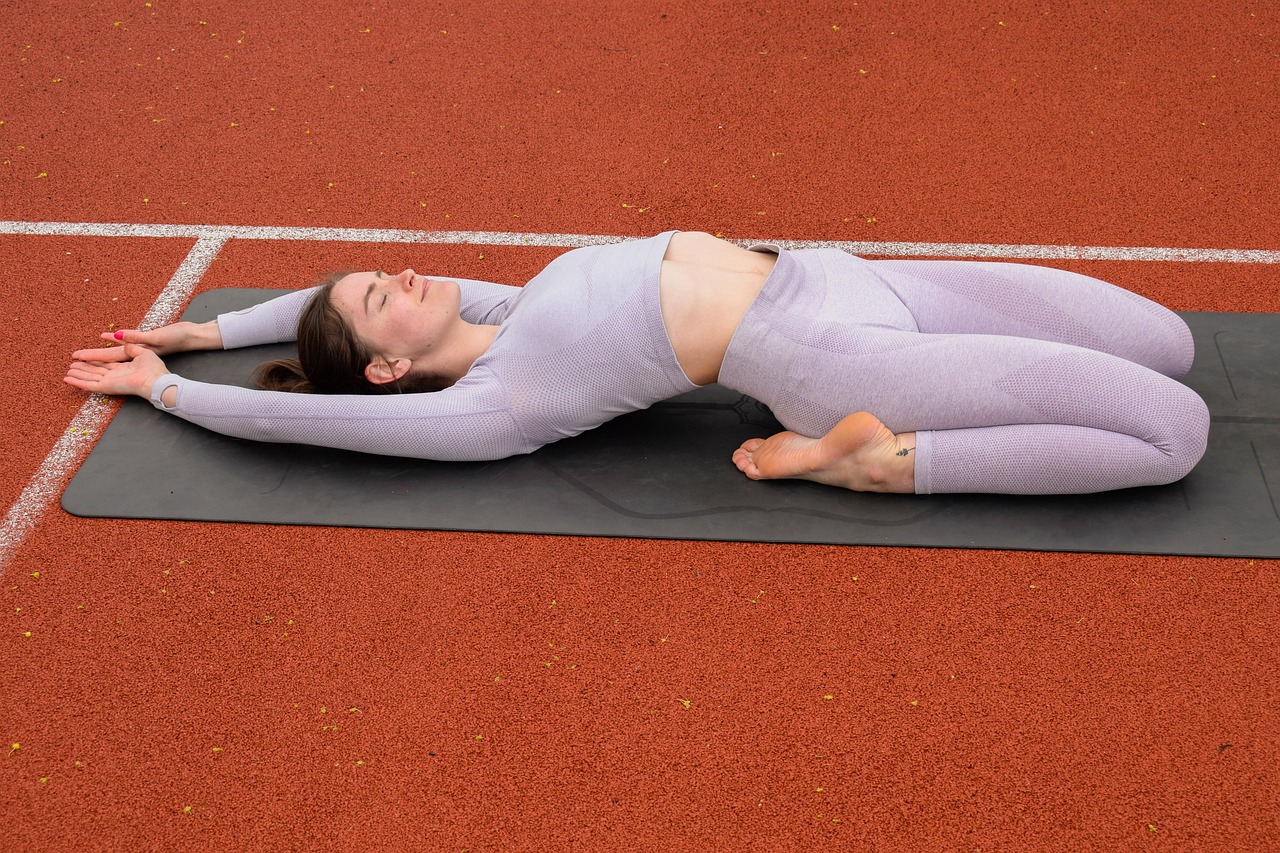

The Benefits of Postpartum Yoga for Mental Health
Postpartum yoga is becoming increasingly popular among new mothers seeking to enhance their mental health after childbirth. The transition to motherhood can be overwhelming, often accompanied by emotional challenges. Practicing yoga provides a mindful space where mothers can connect with themselves amid the chaos. With gentle movements and focused breathing, postpartum yoga helps reduce stress, allowing for improved emotional regulation. This practice encourages body awareness, fostering a sense of acceptance and self-compassion, vital during this transformative period. Furthermore, the supportive community often found in yoga classes can create connections among mothers, promoting social support. Building relationships with like-minded individuals can lead to more profound emotional resilience. Additionally, postpartum yoga can alleviate symptoms of postpartum depression and anxiety. The rhythmic movements and focused breath work trigger the release of endorphins, boosting mood and enhancing well-being. Yoga teaches relaxation techniques that are beneficial in managing anxiety and stress, key factors in postpartum mental distress. With consistent practice, mothers often report feeling more balanced and energized. By prioritizing their mental health through yoga, mothers set a positive example for their children about self-care and emotional wellness.
A primary advantage of postpartum yoga is the focus on breath work and mindfulness, which serves as a natural antidote to stress. Breathing techniques can help regulate the nervous system, leading to a more relaxed state of mind. Practicing deep breathing during yoga fosters a connection with the present moment, drawing mothers away from overwhelming thoughts or anxiety. This mindfulness encourages an enhanced awareness of feelings, allowing mothers to process emotions healthily. The ability to focus on breath also provides a practical tool for managing daily stressors, not just during yoga sessions. Incorporating breath work into daily life can enhance coping strategies for dealing with the challenges of motherhood. Furthermore, postpartum yoga often emphasizes gentle stretches and movements, aiding physical recovery after childbirth. Addressing the tension that can build up in the body helps improve overall well-being. As mothers return to their physical activities, they may notice increased strength and flexibility. This newfound physicality often translates into improved mental health, as physical activity is known to release feel-good hormones. Investing time in a practice that nurtures both body and mind creates a holistic approach to postpartum recovery.
The social aspect of postpartum yoga is another significant contributor to boosting mental health. Joining a class offers women a chance to connect with others who share similar experiences and challenges. This interaction can reduce feelings of isolation, creating a sense of belonging and community. Engaging in conversations with fellow mothers helps validate experiences and emotions, enhancing self-acceptance. Being part of a supportive group encourages sharing struggles and successes, fostering a positive group dynamic. Community engagement can lead to lasting friendships that provide ongoing support beyond yoga classes. As mothers share their journeys, they motivate one another, making the practice more enjoyable. Moreover, many yoga studios offer workshops and classes specifically designed for postpartum women. These tailored sessions address the unique needs of new mothers, creating a safe environment for exploration and self-improvement. The nurturing atmosphere promotes openness and vulnerability, strengthening connections among participants. Such support networks are invaluable for emotional health, alleviating feelings of loneliness. The collective experience in postpartum yoga classes can significantly enhance a mother’s mental resilience, paving the way for a more fulfilled postpartum journey.
Enhancing Self-Care Through Yoga
Postpartum yoga promotes self-care, an essential component for mental well-being. New mothers often prioritize their baby’s needs over their own, leading to neglect of personal care, which can exacerbate feelings of stress and anxiety. Incorporating yoga into a daily routine can help shift this focus back onto the individual. Setting aside time for yoga serves as a powerful reminder of the importance of self-care. Giving oneself permission to engage in physical activity and meditation can replenish emotional reserves. This practice encourages mothers to listen to their bodies and minds, fostering a deeper understanding of their emotional and physical states. Yoga promotes boundaries, allowing mothers to articulate their needs more effectively. By establishing this self-care routine, mothers can rejuvenate themselves, leading to better interaction with their children and partners. Additionally, embracing yoga allows new mothers to reconnect with their identity beyond parenthood. Finding a personal practice can strengthen self-esteem, leading to increased satisfaction with life. The positivity cultivated through yoga assists mothers in handling the challenges of parenting more gracefully. Moreover, developing a reliable self-care ritual fosters resilience, which is advantageous not only for the mother but also for her family.
An essential component of postpartum yoga is recognizing its impact on sleep quality, crucial for mental health. Many new mothers face sleep deprivation, contributing to mood disorders such as postpartum depression. Engaging in yoga promotes relaxation, easing the mind and body before bedtime. Studies indicate that regular yoga practice can enhance sleep quality by reducing tension and anxiety. Relaxation techniques learned in yoga classes can be utilized during nighttime routines to encourage restful sleep. Practicing yoga before sleep prepares the body physically, alleviating discomfort associated with recovery after childbirth. Techniques like gentle stretching, along with breath focus, facilitate a smoother transition into sleep. Additionally, yoga encourages the establishment of a nighttime routine, reinforcing healthy sleep cycles. Prioritizing sleep through yoga creates a restorative loop where better sleeping patterns enhance overall mental well-being. New mothers are then better equipped to face the demands of parenting when resting properly. Services like restorative yoga can address specific needs for postpartum women, offering not only physical relief but emotional rejuvenation as well. This holistic approach to sleep management significantly supports mental health during the postpartum period, making it vital for new mothers.
An often overlooked benefit of postpartum yoga is its positive influence on body image, which can greatly affect mental health. After childbirth, many women struggle with changes in their bodies, leading to challenges in self-acceptance. Engaging in yoga fosters a supportive mindset, encouraging mothers to honor their bodies for the incredible work they have done. Through yoga, mothers can learn to appreciate strength, resilience, and the ability to nourish their children. This shift in perspective minimizes negative body image, promoting self-love and understanding. Many yoga poses celebrate the physicality gained from motherhood while encouraging gradual rebuilding of strength without pressure. As mothers practice being present in their bodies, they can combat harmful societal pressures associated with postpartum recovery. This acceptance can create a lasting impact on overall mental well-being. Moreover, yoga allows women to explore their bodies in a non-judgmental environment, fostering a deeper connection to themselves. This process of self-discovery enhances self-confidence and facilitates a positive dialogue around self-worth. Ultimately, improving body image contributes significantly to mental health and emotional stability during the postpartum phase.
Conclusion: Integrating Yoga into Daily Life
Integrating postpartum yoga into daily routines can transform mental health following childbirth. The benefits extend beyond mere physical activity; yoga fosters emotional resilience, connection to community, and improved self-care practices. Understanding these numerous advantages can motivate new mothers to prioritize their mental health through yoga. As they embrace this practice, they may find balance, calm, and renewed energy. The work done on the mat translates into everyday life, reshaping how mothers experience the challenges of parenting. Encouragingly, resources and classes specifically designed for postpartum yoga are widely available, making it easy to begin. Many studios also offer online options, providing flexibility that fits new mothers’ unpredictable schedules. Establishing a routine can yield significant long-term benefits for mental well-being and overall happiness. As postpartum yoga continues to gain recognition, mothers are empowered to reclaim their mental health journey. In this way, they set a foundation to nurture not only themselves but also their families. Investing time in yoga ultimately leads to a healthier, more fulfilled motherhood experience, exemplifying the deep connection between physical and mental health.
In conclusion, consistently practicing postpartum yoga is a valuable tool for new mothers. It promotes mental wellness, physical recovery, and community engagement, creating a holistic approach to recovery. With its mindful emphasis on breathing, movement, and relaxation, postpartum yoga significantly enhances the mental health of mothers transitioning into this new phase of life. Its benefits are profound, offering support during a time that can feel isolating and overwhelming. By fostering a connection between mind and body, postpartum yoga serves as an ideal practice for cultivating mental well-being in the crucial early months of motherhood. As new mothers become advocates of yoga, they not only strengthen their mental health but also create a nurturing environment for their children. Developing a consistent practice yields a transformative effect on parenting, underpinning a strong foundation for emotional wellness. The journey of motherhood can be challenging, but incorporating yoga can facilitate a smoother transition. Understanding and celebrating the adjustments made during this time fosters self-empowerment and confidence. Overall, postpartum yoga is a meaningful exploration of motherhood that enhances both individual and familial well-being.