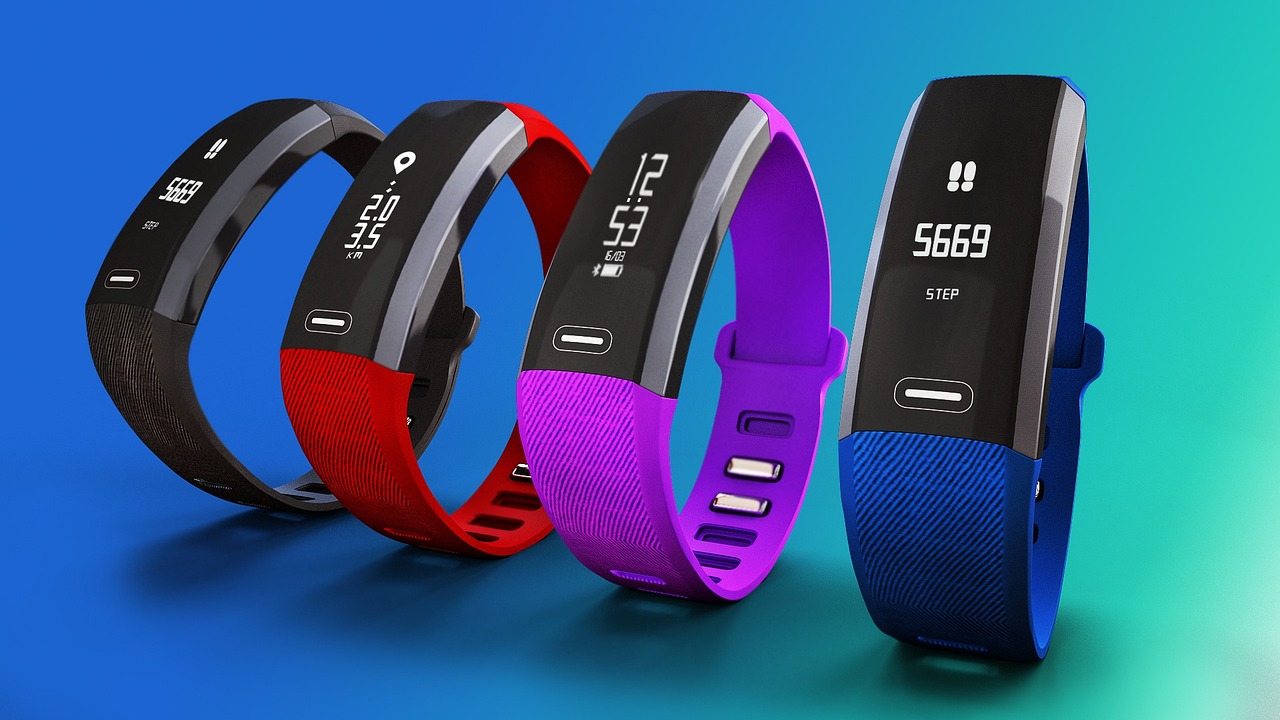

Maximizing Interval Training using Heart Rate Feedback
Interval training is a powerful method of enhancing performance in triathlon training. One of the most effective tools for optimizing interval sessions is a heart rate monitor. Utilizing heart rate feedback allows athletes to tailor their workouts precisely, ensuring that they reach the right intensity for maximum benefit. By monitoring heart rate, athletes can identify their threshold levels and adjust their training accordingly. This helps in developing both speed and endurance, which are crucial for triathletes. It’s important to understand the different heart rate zones that exist. For instance, training in aerobic zones can improve cardiovascular health, whereas anaerobic zones can be beneficial for speed work. Additionally, having real-time feedback empowers athletes to manage their fatigue levels. This process not only helps in pushing limits but also prevents overtraining. The use of heart rate monitors can lead to a more structured training plan. Maximizing the efficiency of each workout can ultimately lead to better race performance. Therefore, this feedback from heart rate monitors is invaluable in achieving specific training goals and enhancing overall athletic performance.
The effectiveness of using heart rate monitors becomes evident in interval training. Athletes often structure their workouts using specific intervals that delve into varying intensities. The heart rate monitor provides an immediate response to each physical demand placed on the body. During intervals, monitoring shifts in heart rate is crucial. For instance, when one is pushing to achieve a set pace, heart rate increases. Knowing when to recover and when to push harder depends directly on heart rate feedback. Athletes must discern their maximum heart rate, which serves as a benchmark during training. By implementing a structured approach, such as the Fartlek method or HIIT (High-Intensity Interval Training), athletes can benefit significantly. Combining short bursts of high intensity with periods of low intensity trains the body to recover quickly. Using heart rate data enables meticulous adjustments to these intervals, ensuring athletes remain in optimal training zones. Through consistent analysis of heart rate trends, athletes can identify their pace and recover duration efficiently. Such methodical planning guarantees optimized performance on race day. In summary, heart rate monitors refine the interval training experience extensively.
Understanding Heart Rate Zones
Before diving into detailed training plans, understanding heart rate zones is essential. There are generally five key heart rate zones that athletes should be familiar with. Zone one represents the lowest intensity, primarily used for warming up and cooling down. Zone two enhances aerobic capacity and is frequently used for long-distance efforts. Zone three is where most athletes spend their time, perfect for developing endurance. Zone four is beneficial for building speed and strength. Finally, zone five entails maximal efforts, suitable for short bursts of energy. Through targeted training across these zones, triathletes can bolster their overall capacity and performance. Athletes can measure their maximum heart rate using age-related formulas or through testing methods. Once established, heart rate zones can be set up individually to track training progress. Coaches often recommend specific workouts tailored to each zone for effective training. Tracking progress within each zone helps athletes fine-tune their speed, endurance, and recovery strategies. Furthermore, data collected from heart rate monitors can shape future training cycles leading to gradual performance improvements. Mastering heart rate zones contributes immensely to a successful training program.
Tracking progress through heart rate feedback allows for an adaptive training strategy. Analyzing how one’s heart rate responds to workouts can reveal valuable insights. For instance, if the heart rate remains elevated during an expected recovery phase, it might be a sign that the athlete is overreaching. In such cases, it’s prudent to adjust the intensity or incorporate rest days. Regularly assessing performance metrics enhances long-term growth. It’s a systematic approach where adjustments are made based on empirical data collected from the heart rate monitor. Over time, athletes experienced lower heart rates at similar exertion levels indicate improving fitness. Such trends empower triathletes to pace themselves appropriately, particularly when preparing for major competitions. Additionally, a holistic view of training metrics encourages athletes to stay accountable and motivated in their training journey. Using heart rate data also aids in recognizing patterns. For instance, if recovery periods consistently extend, a more modest training approach may be warranted. Structuring workouts around this feedback ensures a balanced regimen that can lead to peak performance. Hence, harnessing heart rate analytics offers advantages central to athlete development.
Creating a Structured Interval Training Plan
To fully exploit heart rate feedback, creating a structured interval training plan becomes vital. A well-crafted plan typically involves a mix of easy runs, tempo sessions, speed intervals, and recovery days. Depending on the athlete’s periodization cycle and race schedule, these components can be adjusted. For a well-rounded approach, athletes often integrate various lengths of intervals, running anywhere from 30 seconds to several minutes with recovery intervals in-between. Balancing these elements ensures that different muscular and energy systems are trained effectively. A sample week may include one or two high-intensity interval sessions, a threshold workout, and several easy-paced runs. The incorporation of long runs further builds endurance. For heart rate monitors, consistent monitoring of recovery rates can indicate whether the training load is appropriate. In addition, tailoring workouts based on recovery response helps to prevent burnout. The ultimate aim of structured training is to reach peak performance while staying healthy and injury-free. Such systematic planning using heart rate feedback reflects a strategic approach conducive to triathlon success. Implementing this plan leads to successful adaptations that enhance performance.
The integration of recovery phases is crucial when maximizing interval training. Recovery is not merely downtime but a strategic component necessary for performance enhancements. The heart rate monitor serves as a tool to validate the effectiveness of rest days. By observing heart rate trends during recovery phases, athletes can gauge readiness for subsequent workouts. Often, inadequate recovery can inhibit performance and heighten the risk of injury. Athletes must learn to recognize when their bodies need a break truly. Heart rate feedback helps in emphasizing the importance of recovery periods, allowing athletes to peak at race time. While intensity is vital, without proper recovery, the benefits of training are diminished. Scheduling relaxed days following high-intensity sessions aids in restoring muscle readiness and energy levels. Athletes might also experiment with active recovery strategies, such as light workouts or stretching, which can enhance mobility. Most importantly, listening to the body through heart rate cues promotes longevity in training. As athletes become adept at understanding these signals, they can tailor their training to ultimately achieve their triathlon goals. This comprehensive approach to training ensures both progression and sustainability.
Conclusion
Maximizing interval training through heart rate feedback offers triathletes a considerable advantage. By integrating data-driven strategies into practice, athletes can fine-tune their training while maintaining optimal intensity levels. Understanding heart rate zones and how they correspond with training patterns adds depth to overall performance strategies. Furthermore, the ability to adapt training plans based on recovery analytics enhances the consistency and effectiveness of workouts. The amalgamation of structured interval sessions, recovery periods, and real-time feedback culminates in an efficient training model. Ultimately, such an approach fosters improvement in not only speed and endurance but in overall fitness. As athletes continue their training journey, utilizing heart rate monitors can streamline success. Data transparency assists in recognizing progress, allowing athletes to celebrate their achievements while continuously striving for improvement. In the competitive realm of triathlon, every second counts, and harnessing heart rate feedback can make all the difference. As triathletes commit to disciplined training, the right tools and strategies will lead to discovery and enhancement of their true potential.
The world of triathlon training continuously evolves, and heart rate monitors stand at the forefront. By adopting technology and data analytics, athletes can craft a performance-based regimen. Armed with knowledge about heart rate zones and interval training techniques, maximizing potential becomes a reality for serious competitors. This combination ensures athletes are not only fit but are also strategically prepared for race day challenges. Sorting through training intensity, recovery, and tailored coaching empowers triathletes to embrace their full capabilities. Utilizing heart rate feedback allows for a more scientific approach, resulting in structured, goal-driven training. Regularly evaluating one’s results encourages commitment, making it easier to adapt goals as fitness levels progress. In conclusion, the synthesis of heart rate monitors and interval training undoubtedly paves the way for future racing successes. As athletes embark on this journey, specific and measurable strategies will lead to remarkable results. The path to triathlon excellence is enhanced through such technology-driven insights, capturing performance data like never before. Athletes are equipped to face the challenges of triathlon training with a well-researched and informed methodology.