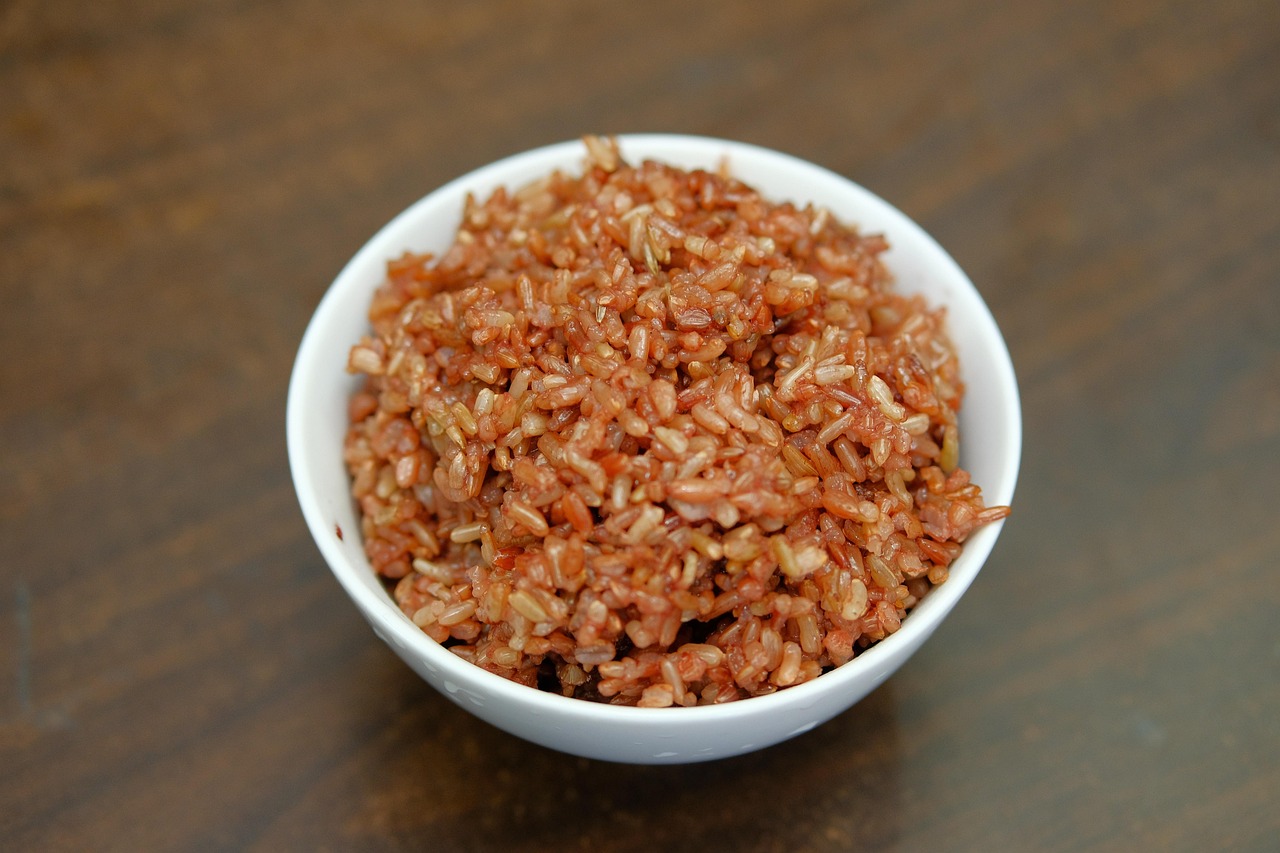

Is Brown Rice Healthier Than White Rice? Separating Myths from Facts
The debate between brown rice and white rice is common in nutrition discussions. Many people assume that brown rice is always the healthier choice due to its perceived higher nutritional value. However, several factors play a critical role in determining which type of rice may be more suitable for specific individuals. Brown rice contains more nutrients and fiber compared to white rice, as it retains the bran and germ layers. This leads to a richer taste, denser texture, and potentially more health benefits. In addition, the presence of fiber in brown rice aids in digestion, helps control blood sugar levels, and contributes to a feeling of fullness. However, some individuals may experience digestive discomfort due to its higher fiber content. White rice, conversely, is more processed, which removes these components but makes it gentler on the digestive system. Understanding your own dietary needs and preferences is vital when considering which one to include in your meals. Both types can be part of a balanced diet, and individual experiences may vary. The key is moderation, and knowing how each fits your lifestyle is essential.
Understanding Nutritional Differences
When comparing the nutritional profiles of brown rice and white rice, several factors are essential to consider. Brown rice typically has more fiber, which supports digestion and overall gut health. This fiber can also help lower cholesterol and regulate blood sugar levels, making it particularly beneficial for those with diabetes or pre-diabetes. Additionally, brown rice is rich in magnesium, phosphorus, and B vitamins, further enhancing its status as a nutritious choice. On the contrary, white rice, which is more refined, has a lower fiber content because it’s stripped of the bran layer. However, it does offer quick energy and can be easier to digest for some people, especially for those recovering from certain medical procedures or experiencing digestive issues. Furthermore, enriched white rice is often fortified with iron and other important vitamins, becoming a good option when dietary iron levels are low. Ultimately, understanding these aspects can help individuals make informed choices tailored to their health requirements, balancing convenience and nutritional needs.
Another common myth suggests that brown rice is inherently superior to white rice in every regard. It is crucial to recognize the differences in preparation, cooking time, and culinary applications. Brown rice generally requires longer cooking times and may need more water than white rice. Some people find brown rice chewy, while white rice may be softer and fluffier, making it preferable for specific dishes. These textural differences can affect meal satisfaction and influencing one’s overall dietary choices. For example, certain recipes, such as sushi or risotto, typically call for white rice, ensuring the desired texture for those particular dishes. This means that incorporating white rice into meals can still align with healthy eating principles when paired wisely with nutrient-dense ingredients like vegetables, legumes, or proteins. It is important to remain flexible in choices based on preferences, availability, and the nutritional value of complementary ingredients. Thinking critically about these aspects ultimately helps foster a more balanced and enjoyable dietary approach.
Cultural Context and Dietary Traditions
The cultural significance of rice varies globally, influencing culinary practices and dietary choices across diverse regions. In many Asian cultures, rice serves as a primary staple food consumed daily. Both brown and white rice can be found in a range of traditional dishes, showcasing a fusion of flavors and nutritional customs. People who regularly consume white rice may have a connection to specific cultural practices that influence their eating habits. However, the introduction of brown rice as a healthier alternative comes with varying degrees of acceptance. Some regions may embrace it due to increasing health awareness, while others may resist due to texture and flavor preferences. Incorporating whole grains like brown rice into traditional dishes can create opportunities for health improvements without completely abandoning cherished customs and flavors. Individuals should be mindful of their own culinary traditions while exploring ways to include nutrient-dense alternatives, striking a balance between health and heritage. Ultimately, understanding cultural perspectives on rice is essential for appreciating its dietary role.
Another myth surrounding rice consumption is its association with weight gain. Many people consider rice a high-calorie food, and therefore, some view it negatively when pursuing weight loss. However, weight management is more complex than merely categorizing foods as ‘good’ or ‘bad’. Portions, overall dietary patterns, and activity levels play significant roles in weight control. Instead of eliminating rice entirely, individuals could focus on balanced portion sizes, integrating rice with vegetables, lean proteins, and healthy fats. By considering the overall meal composition, it’s possible to create satisfying dishes that promote fullness without unnecessary calorie overload. Furthermore, brown rice may help by regulating appetite due to its fiber content, potentially leading to better weight management. For those struggling with portion control, using smaller plates or bowls may aid in managing serving sizes while allowing one to enjoy both types of rice. Thus, examining personal psychology around eating and assessing overall food intake rather than solely fixating on single ingredients is encouraged for achieving healthier lifestyles.
Conclusion: Making Informed Choices
In conclusion, navigating the brown rice versus white rice debate requires understanding nutritional content, individual preferences, and cultural contexts. Brown rice is often lauded for its higher nutrient levels and fiber, while white rice provides a soothing option for some digestive systems. There is a place for both types of rice within a balanced diet. Instead of pigeonholing one as ‘better’ than the other, embracing variety is key to nutritional richness. Personalization of dietary choices based on lifestyle, health conditions, and culinary traditions fosters a more enjoyable eating experience. Furthermore, considering meal composition, serving sizes, and overall food quality encourages a holistic perspective on eating, promoting better health outcomes. Incorporating diverse grains and focusing on whole, minimally processed foods provides more significant long-term benefits. As a part of this journey, it is essential to embrace flexibility and be open to experimentation in the kitchen. In doing so, individuals can enjoy the delicious and nutritious elements that both brown rice and white rice bring while meeting personal dietary priorities.
Lastly, if you’re interested in cooking with rice, consider experimenting with various recipes that incorporate both brown and white rice. For instance, you might try using brown rice in a hearty vegetable stir-fry or add some white rice to a creamy risotto. Combining both types of rice in dishes can yield unique flavors and textures while elevating the nutritional profile. By exploring the versatility of rice in your meals, you can create exciting dining experiences that cater to your specific tastes. Remember also to consider some healthy cooking methods such as steaming, boiling, or sautéing with minimal oil. These methods can help retain the nutrients present in rice, making your meals more healthful. Additionally, garnishing your rice dishes with fresh herbs or spices can enhance flavor without adding excessive calories. As you navigate the world of rice, keep an open mind to adapt your preferences for both types calmly. Ultimately, this will lead to a more enjoyable culinary journey while supporting your health goals.