
How to Stay Hydrated During Outdoor Workouts in Summer
Staying hydrated during the hot summer months is essential for anyone engaged in outdoor workouts. The combination of heat and physical activity increases fluid loss through sweat, making it critical to replenish lost fluids. Dehydration can lead to serious health issues such as heat exhaustion or heatstroke. Therefore, understanding hydration needs is key to enhancing performance and ensuring safety while exercising. Start your hydration efforts before stepping outside. Drink water or electrolyte drinks even before your workout begins. Also, establish a habit of sipping fluids throughout your session. Carry a water bottle to ensure you have easy access to hydration. Remember, it’s not just the quantity but the quality of hydration that matters. You can enhance your hydration strategy by including electrolyte-rich drinks that provide vital minerals alongside water. It is also advantageous to consume hydrating foods such as fruits and vegetables, which have high water content and keep you refreshed, aiding in recovery post-exercise. Whether running, cycling, or hiking, prioritize your hydration to maintain endurance and overall well-being this summer.
Planning your hydration strategy is crucial for hot weather workouts. Keep in mind the duration and intensity of your outdoor activity when calculating your fluid intake. For activities lasting less than an hour, water is generally sufficient for hydration. However, for longer workouts, especially those exceeding 60 minutes, sports drinks become favorable alternatives, as they provide carbohydrates and electrolytes essential for rehydrating effectively. Additionally, consider your individual sweat rate: some people sweat more profusely than others, requiring more fluids to maintain hydration. To determine your sweat rate, weigh yourself before and after your workout while accounting for fluid intake. This simple calculation can give insights into how much liquid you need to consume during your exercise sessions. It’s vital to drink before feeling thirsty because thirst is a sign you are already beginning to dehydrate. Set hydration alarms or reminders every 15-20 minutes during prolonged activities to help you stay on track. Whether you’re hitting a trail or jogging along a beach, remember that effective hydration can significantly enhance your workout experience and results.
Best Hydration Practices
One effective way to stay hydrated during summer workouts is to develop good hydration habits. Start your day with a glass of water before meals and always carry a reusable water bottle during exercises. Staying consistent with daily water intake can help replace lost fluids effectively. Additionally, some casual hydration tips include infusing water with slices of lemon, cucumber, or berries to create refreshing flavors that encourage you to drink more. Remember to listen to your body throughout your workout. Factors such as humidity and temperature can affect your fluid requirements significantly. Listen for signs of dehydration such as dizziness, excessive fatigue, or dark-colored urine. Prioritize drinking fluid even when engaging in low-intensity activities to establish a routine. Also, consider scheduling a designated eating time after your workouts to include hydrating foods. Foods such as watermelon, oranges, and cucumbers can additionally contribute to your fluid intake while providing essential nutrients. They’re perfect snacks to consume after a workout or during breaks, enabling recovery and hydration simultaneously.
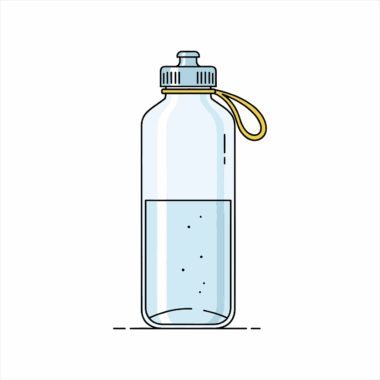
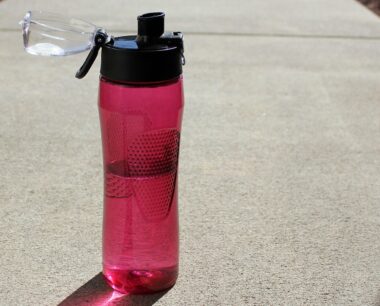
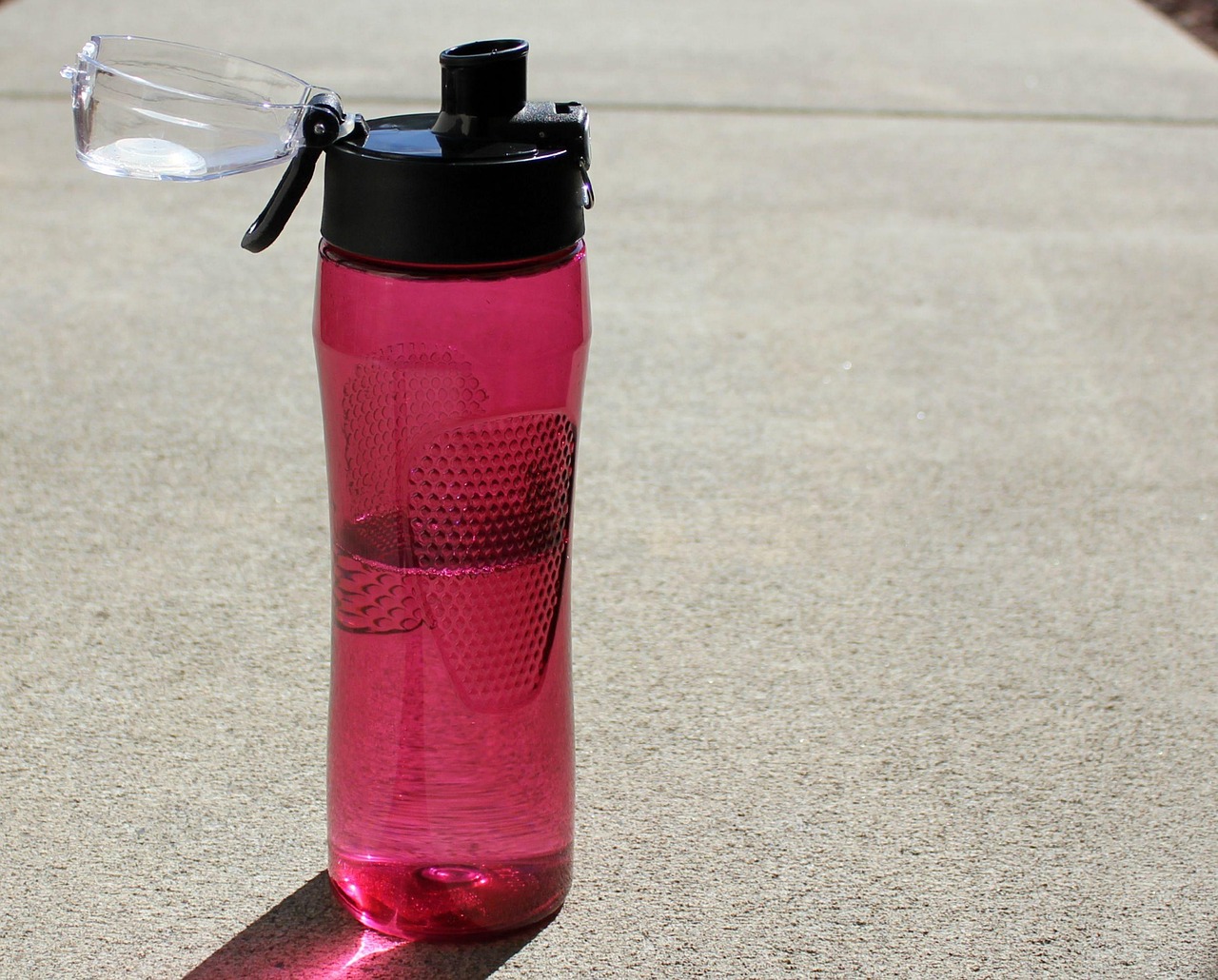
A common misconception is that only water is needed for hydration. While water plays a critical role, beverages like coconut water, sports drinks, and teas can also greatly contribute to your hydration strategy. Coconut water, for example, is natural and contains electrolytes such as potassium and sodium, making it a healthy choice after intense workouts. Sports drinks, while convenient, should be consumed wisely as they can contain added sugars. Read labels before selecting these drinks to make informed choices that align with your fitness goals. Keep in mind that the right temperature of your hydration can also impact drinking behavior; cold drinks tend to be more refreshing. Conversely, lukewarm beverages can be easier to digest during intense exercise. For runners and cyclists, having a hydration pack can be a great way to carry fluids hands-free, allowing you to enjoy your workout without breaks. Investing in various hydration containers tailored for your activities ensures you have the right gear to support your hydration needs all summer long.
Hydration and Fitness Goals
The link between hydration and fitness goals cannot be overstated. If you aim to improve your endurance, achieving optimal hydration levels must be part of your training regime. Proper hydration helps in regulating body temperature during intense workouts, thus maintaining peak performance. When the body is hydrated adequately, muscles can work efficiently, reducing fatigue and improving recovery post-exercise. Recognizing the importance of hydration encourages you to track your intake regularly. You can use apps or hydration-tracking devices to monitor and maintain proper levels throughout the day. Establish a minimum target, such as drinking eight 8-ounce glasses of water daily, tailoring it based on your activity intensity. Additionally, if you regularly consume diuretics such as caffeine, be aware of their dehydrating effects as they might necessitate increased fluid intake. Remember to prioritize hydration before, during, and after your workouts by establishing inclusive habits. Creating a comprehensive hydration plan is key to meeting physical performance goals, significantly enhancing your overall fitness journey.
Understanding urine color can be a practical and straightforward method to assess hydration levels. A simple rule of thumb is to check whether your urine is pale yellow, which generally indicates proper hydration status. Darker urine often signals dehydration, while completely clear urine may indicate overhydration. Use these indicators as part of your hydration strategy. Along with urine color, consider incorporating hydration breaks into your workout routine to ensure you prioritize drinking regularly. For instance, during a 10-mile run, taking a couple of short pauses to sip on water or a sports drink can make a significant difference. Furthermore, adjust your hydration strategy with your climate and workout environment. If you’re exercising in higher temperatures, your hydration needs will increase compared to exercising indoors. Don’t overlook the importance of sunglasses and light clothing, which can also assist in regulating body temperature and reducing sweating. Staying balanced between your internal hydration and external factors will help you maintain optimal performance during outdoor summer workouts.
Conclusion on Summer Hydration
Implementing effective hydration strategies during summer workouts can enhance performance, recovery, and overall health. As you progress in your fitness journey, continually refine your hydration practices according to your activity levels and individual needs. Stay proactive by consistently evaluating and adjusting your fluid intake to align with environmental conditions. Hydration is not merely an afterthought but an integral part of any fitness routine, especially during the summer. Create a hydration plan that works for you, incorporating a variety of liquids and hydrating foods to make it sustainable. Additionally, teach new fitness enthusiasts about the importance of staying hydrated while exercising outside in the heat. Develop shared responsibility in groups or communities to support friends in achieving optimal hydration. Remember that success in fitness is not just about intense workouts but also about sensible practices like proper hydration. By focusing on staying hydrated, you’ll boost your workout effectiveness and reduce the risks of heat-related illnesses. Take time this summer to revise your hydration approach, ensuring exciting outdoor workouts that prioritize wellness and performance.