How to Plan Your Weekly Meals to Support Weight Maintenance
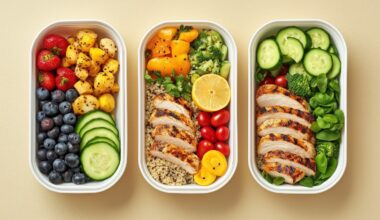
Meal prepping plays a crucial role in your weight maintenance journey. It allows you to control portion sizes and ensure balanced nutritional intake. By dedicating a few hours each week to plan and prepare your meals, you can avoid unhealthy last-minute choices. Start by assessing your dietary needs and preferences, and create a list of meals that align with these goals. Consider ingredients that are versatile, allowing you to mix and match throughout the week. Focus on high-fiber foods like fruits and vegetables, lean proteins, and healthy fats. These components are essential for maintaining energy levels and satiety. To save time, choose recipes that can be batch-cooked, or prepare ingredients in advance. Also, consider using clear containers for easy access and to help monitor portion sizes. Additionally, ensure you include snacks in your meal prep, as these can help curb hunger between meals. Experiment with different cuisines to keep your weekly meals exciting and prevent boredom. Sticking to these guidelines will facilitate your weight maintenance effectively.
When starting your meal prepping journey, it’s beneficial to create a realistic weekly menu. Take into account your schedule and commitments, which will help you plan accordingly. For instance, when you know you will have a busy work week ahead, prepare meals that are quick to reheat. Opt for recipes with limited ingredients that can be made in bulk. One great tip is to designate one day a week for your meal prep, perhaps Sunday, to set yourself up for success. Gather all your required materials beforehand to streamline the process, including grocery lists and recipes. Make sure your kitchen is clean and organized, which can inspire efficiency during meal prep. Also, when selecting recipes, prioritize ones that freeze well for longer storage. Label your containers with dates and meal contents for easy identification. This will ensure nothing goes to waste while also aiding in portion control. Variability is key; rotate different proteins and vegetables weekly to keep things fresh. Using a balance of carbs, proteins, and fats in each meal will also help with sustained energy throughout the week.
Tips for Efficient Meal Prepping
Collaboration with others can enhance your meal prepping experience. Invite friends or family members to join you in your cooking session, making it a fun social activity. You can share the food once it’s cooked, doubling your repertoire and helping each other stay motivated. If you’re short on time, consider utilizing grocery delivery services to save on shopping. New options for pre-prepped ingredients also exist, like pre-chopped vegetables and marinated proteins, which can save significant time. Meal prepping does not always have to mean cooking everything from scratch. You can also opt for convenience products to bridge the gap between homemade and fully prepared meals. Use kitchen gadgets, such as slow cookers or air fryers, for easier and faster meal preparations. Additionally, always be mindful of your portion sizes, as it helps with a more balanced intake. Preparing versatile dressings or sauces can also elevate simple meals throughout the week. Lastly, keep your meals colorful! Not only does it make your plate more appealing, but it also ensures a variety of nutrients.
As you progress with your meal prepping, keep track of what works best for you. Reflect on your meals at the end of each week to recognize recipes your enjoyed or any improvements needed. This can be done through a simple food journal. Documenting your meals will also help you stay accountable for your dietary habits. Additionally, consider keeping a grocery list handy, so you know what to stock up on. Over time, you will become more efficient in your planning and preparation, which will save you time and effort in the long run. Focus on how certain meals influence your energy throughout the week. Tailor your prep strategies based on these outcomes; learn which meals keep you fuller longer or provide sustained energy. Over time, your taste preferences might change, so remaining flexible with your menu is important. Discover new recipes or cooking methods that excite you. YouTube and cooking blogs are excellent resources where you can find inspiration and techniques to enhance your cooking skills. Therefore, committing to meal prepping can positively affect your weight maintenance journey.
Storing and Reheating Meals
Proper storage is vital for maintaining the quality of your prepped meals. Start by using high-quality, airtight containers suitable for both refrigeration and freezing. Glass containers are often recommended due to their durability and safety in reheating. Label your containers clearly with names and dates to ensure you use them in the appropriate order. Certain meals should be consumed sooner than others depending on their ingredients. For instance, leafy greens tend to wilt faster than heavier grains or proteins. When reheating, ensure to follow safe food practices to avoid contamination. It’s essential to heat your meals thoroughly, reaching appropriate internal temperatures. Consider using the microwave or oven, depending on your preference for texture and flavor. Avoid reheating more than once to maintain quality and taste. If planning to freeze meals, cool them quickly before placing them in the freezer to avoid ice crystals forming. Portions should be adequately sized to prevent thawing large quantities. Always be open to experimenting with storage methods, discovering what best suits your lifestyle for the best results.
Variety is one of the most essential aspects of meal prepping. Eating the same meals repeatedly can lead to boredom and decrease motivation for sticking to healthy habits. To avoid this, create a rotating list of recipes you enjoy while trying new ones occasionally. Each week, consider introducing one or two new dishes based on fresh seasonal ingredients. Platforms like Pinterest or cooking apps can be valuable resources to discover new ideas. Selecting meals that share similar base ingredients can minimize waste and save time when shopping. Additionally, integrating theme nights, such as Taco Tuesday or Stir-fry Friday, can add fun and excitement to your meal prepping. Seek opportunities to repurpose leftover meals for new ideas in different dishes, which aids in preventing waste. Explore different cuisines that inspire your culinary creations while maintaining balance. This creative approach will keep you engaged and looking forward to each meal. Don’t hesitate to engage different cooking techniques, such as grilling, baking, or steaming, to change things up and experiment with flavor profiles.
Conclusion and Long-term Strategies
In summary, effective meal prepping for weight maintenance can significantly enhance your overall well-being. The process requires planning, commitment, and creativity in ensuring a balanced and enjoyable diet. As you grow accustomed to meal prepping, it may even become an enjoyable part of your routine that adds structure to your week. It’s important to remember that meal prep does not always need to be perfect and mistakes can offer useful learning opportunities. Continue to reassess your dietary needs and physical activity levels to ensure you remain on track. Flexibility in your meal choices will contribute to both satisfaction and sustainability. Monitor your weight and adjust your meal portions or contents as necessary to reflect any changes in your lifestyle or metabolism. Maintain a supportive environment by sharing your experiences and results with friends or family. Keeping accountability partners can ensure motivation and help each other stay committed to positive habits. Hence, embark on your meal prep journey, savor the benefits, and enjoy being an active participant in your health journey!