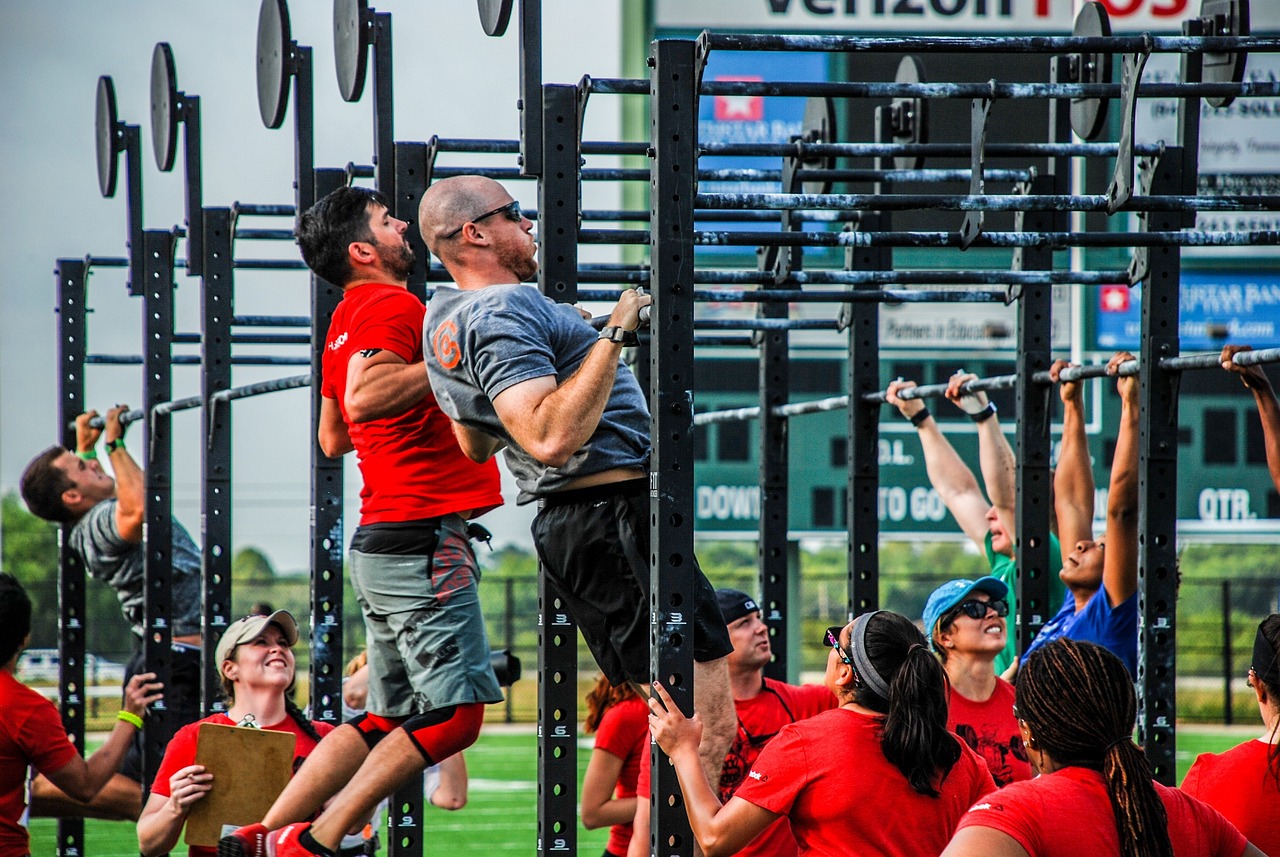

How is CrossFit Programming Structured?
CrossFit programming is designed to optimize your physical capabilities through varied and functional workouts. It incorporates strength training, cardio, and other modalities to ensure holistic fitness improvement. This approach attracts athletes of all levels as it keeps them engaged. Each session typically includes a warm-up, skill work, the workout of the day (WOD), and a cool down. These components are carefully structured to prevent injuries and maximize performance. A key aspect of programming is the principle of variation, which means that routines are changed regularly to avoid plateaus. This variability not only helps you continually progress but also keeps training enjoyable. Coaches play a critical role in planning and executing programming tailored to different needs, considering factors like fitness level and goals. Additionally, programming may consider seasonal adjustments to prepare athletes for specific competitions. These adjustments are further reinforced by prescribed coaching plans. Understanding the principles behind CrossFit programming empowers athletes to achieve remarkable results and transformations in their physical fitness and overall well-being.
The structure of a typical CrossFit workout involves multiple elements designed for comprehensive fitness improvement. Each workout starts with a thorough warm-up that primes the body for higher intensity. This is crucial for preparing muscles and joints to handle the tasks ahead. Following the warm-up, practitioners engage in skill work focusing on technique, which is essential for both performance and injury prevention. The workout of the day, or WOD, follows, featuring a combination of strength and conditioning elements. WODs are designed to be intense and challenging, promoting functional fitness. After completing the WOD, athletes participate in a cool-down phase, which is important for recovery. It may include stretching and mobility exercises to aid muscle recovery. Coaches often provide scaling options within workouts, which allows individuals of varying fitness levels to partake safely. This inclusivity further emphasizes the community aspect that CrossFit is known for. Each element of the workout is carefully curated, ensuring a balance between variety and effectiveness to encourage continuous progress and engagement.
Principles of CrossFit Programming
CrossFit programming is guided by fundamental principles focusing on broad-spectrum fitness and the efficacy of intervals. The first principle is functional movements, emphasizing exercises that mimic real-life activities. This gives each workout practical benefits that translate to everyday life. The second principle revolves around high intensity. Workouts are designed to push athletes to their limits, which accelerates strength and endurance gains. The incorporation of varied movements ensures that no two workouts are the same, keeping participants engaged. This diversity also aids in preventing overtraining injuries often associated with repetitive motions. Moreover, CrossFit programming employs measurable progress through performance tracking. Athletes consistently record times, weights, and repetitions, allowing them to see their improvements over time. This tracking fosters motivation as members celebrate their personal records. Additionally, CrossFit encourages a supportive community aspect where athletes work together, pushing each other to achieve their best. This supportive environment enhances the overall experience, making programming not just a workout but a journey towards physical and mental growth.
A major component of CrossFit programming is the emphasis on community and accountability. This social element is what attracts many to CrossFit. The group setting motivates individuals to push beyond their limits while also developing camaraderie among participants. Regular participation in workouts fosters relationships that help maintain enthusiasm and commitment throughout the challenging journey. Additionally, accountability often comes from engaging with coaches and fellow athletes. A coach’s guidance not only enhances an athlete’s performance but also helps in adhering to the programming’s challenges. This can significantly aid in long-term adherence to fitness goals. Regular check-ins by coaches can help in adjusting individual programming according to progress. These adjustments encourage steady advancement while also keeping workouts fresh and exciting. Lastly, the importance of competitions such as local CrossFit games cannot be overstated. They provide practical applications for skills learned during programming. Such events cultivate a competitive spirit while remaining a fun way to showcase fitness advancements and community spirit.
Important Components of CrossFit Workouts
Understanding the components of a CrossFit workout can significantly enhance one’s training experience. A well-structured CrossFit program includes several key elements that contribute to overall fitness. The first component, typically the warm-up, prepares the body for physical exertion. This phase gradually elevates heart rates, increases blood flow, and loosens up muscles. Next, skill work involves practicing specific movements or techniques before tackling the WOD. This segment is crucial for mastering essential movements with proper form. The WOD itself stands as the core of each session, incorporating a mix of strength and conditioning challenges. After the WOD, the cool down acts as a necessary transition to lower the heart rate and improve flexibility. Cool-down exercises often include stretching routines that help reduce muscle soreness and enhance recovery. Furthermore, a specific focus on nutrition complements the workouts, aiding recovery and growth. Many gyms provide nutritional guidance alongside CrossFit workouts to support athlete performance optimally. Each component strives towards achieving a comprehensive fitness transformation while fostering community involvement in the process.
CrossFit programming often involves specific phases tailored to prepare athletes for competitions, known as ‘cycles’. Each cycle can last various durations, from several weeks to months, focusing on different aspects of fitness. These cycles may emphasize strength, endurance, skill, or a combination, designed to heighten specific performance metrics. Such structure allows athletes to peak at the right moments, ensuring optimal performance during competitions. Importantly, these cycles are built on assessments that track progress and highlight areas needing attention. Fitness assessments guide coaches in creating individualized programs, ensuring each athlete’s experience meets their unique aspirations. Each session builds upon previous skills, enabling continuous progression. Additionally, cycles promote the incorporation of various fitness specialties, such as Olympic lifting or aerobic conditioning, developing well-rounded athletes capable of performing across multiple domains. This versatility prepares athletes for the unpredictability often presented in CrossFit competitions. Coaches regularly re-evaluate cycles based on overall gym performance, ensuring adaptability to the needs of athletes and feedback received during sessions. By fostering structured cycles, CrossFit programming excels in tailoring experiences based on individualized goals.
The Role of Coaches in Programming
Coaches play an indispensable role in CrossFit programming, ensuring every athlete gets the most from their training experience. Not just motivators, they are trained professionals equipped to deliver effective workouts safely and efficiently. Coaches structure and modify programming according to the unique needs of their athletes, providing personalized advice based on fitness levels. Their primary focus is on form and technique, critical aspects that prevent injuries and enhance performance. Weekly programming may also involve specific goals laid out in collaboration with each athlete to address individual objectives. Furthermore, coaches create inclusive environments where athletes feel supported in their fitness journey. Regular feedback from coaches offers insights that help track progress and adapt training. This dynamic relationship fosters trust and accountability, where athletes are encouraged to push boundaries. At competitions, coaches provide support and strategic guidance based on athletes’ performances. Clear communication between coaches and athletes significantly enhances the success of programming, translating to noticeable gains in strength, endurance, and skill levels. Overall, the effectiveness of CrossFit programming hinges on the collaborative relationship between athletes and their coaches.
In conclusion, understanding CrossFit programming’s structure and components is vital for any athlete seeking to improve their physical fitness. The program is comprehensively designed to incorporate elements that support a holistic approach to health and wellness. From functional movements to high-intensity efforts, the varied workouts offer important benefits, such as increased strength and endurance. Coaches’ expertise plays a crucial role in designing effective and personalized programs tailored to each athlete’s needs. Not only does this ensure safety and minimize injuries, but it also fosters community bonds. Engaging in CrossFit cultivates a supportive environment for those committed to their fitness journeys. Additionally, periodic assessments, cycles, and competitions motivate athletes to push their limits and achieve greater results. This environment nurtures both physical achievements and mental resilience. Athletes become part of a larger community, celebrating each other’s successes while striving for their objectives. Overall, the combination of structured workouts, skilled coaching, and community involvement creates a powerful framework that promotes long-term health and fitness. Join a CrossFit community today to experience professional guidance on your path towards achieving remarkable successes in your fitness journey.