
Flexibility Training as a Key to Faster Recovery After Workouts
Flexibility training is a fundamental aspect of any fitness routine, playing a crucial role in enhancing recovery after workouts. Improved flexibility allows for a greater range of motion, which is essential for most physical activities. Incorporating flexibility exercises can lead to increased muscle elasticity and joint mobility, making it easier to perform various movements without strain. Moreover, it can minimize soreness and stiffness post-exercise. Studies indicate that regular practice of stretching can enhance blood flow to the muscles, facilitating the delivery of nutrients that are vital for repair. This not only reduces recovery time but also enhances performance in subsequent workouts. Additionally, flexibility training is instrumental in improving posture, which can further decrease the risk of injuries associated with physical activities. By dedicating time to stretching routines, athletes can ensure their bodies are better prepared for the demands of their chosen sports. Flexibility training can be tailored to individual needs, making it a versatile approach for both casual exercisers and elite athletes. Engaging in such practices can create a well-rounded fitness foundation, essential for long-term health and optimal performance.
One of the most significant benefits of flexibility training lies in its effect on muscle recovery. After an intense workout, muscles can become tense and fatigued, leading to soreness. Incorporating flexibility exercises can help alleviate this tightness, allowing for quicker muscle recovery. Stretching increases blood circulation, which is crucial for delivering oxygen and nutrients to tired muscles. Improved circulation can also aid in flushing out metabolic waste produced during exercise, which contributes to soreness. Furthermore, flexibility training can help in realigning muscles that have been negatively impacted by poor posture during workouts. This realignment not only contributes to recovery but also promotes overall efficiency in movements. Regular flexibility training can help to prevent injuries by ensuring muscles are adequately prepared for stress. Engaging in dynamic stretching before sessions warms up the muscles, whereas static stretching post-training helps to relax them. Athletes who prioritize flexibility as part of their routine often experience fewer injuries and quicker recovery times. This emphasizes the importance of balancing strength training with flexibility exercises for optimal health and performance.
The Connection Between Flexibility and Performance
In addition to recovery, flexibility training significantly enhances overall athletic performance. Enhanced flexibility allows athletes to achieve optimal movements in their techniques, leading to improved efficiency in their performances. This increased range of motion enables better execution of drills, which is essential in sports like basketball, soccer, or gymnastics. For instance, in running, flexible hip joints can lead to longer strides, which directly correlates with speed. Likewise, in weightlifting, flexible shoulders and hips are pivotal for successful lifts. Moreover, flexibility can improve balance and coordination, crucial skills in any sport. As muscles become more supple, athletes can move fluidly, enabling them to respond quickly to challenges within their game. Flexibility training, therefore, should not be viewed merely as an adjunct but as an integral part of any comprehensive training program. Regularly incorporating stretching routines can thus create a solid foundation for peak performance. In this light, flexibility serves not only to maximize physical capabilities but also to enhance the overall training experience, leading to a higher level of sports participation and enjoyment.
Flexibility training also plays a vital role in injury prevention. A greater range of motion decreases the likelihood of strains and sprains during activities. Tight muscles and joints can dramatically increase the risk of injury when subjected to excessive stress during physical exertions. By engaging in regular stretching routines, the muscles are conditioned to manage this stress more effectively. This is especially beneficial for activities involving repetitive movements, such as running or cycling, where consistent muscle tension can lead to injuries over time. Furthermore, flexibility training can help correct imbalances that may lead to injuries. Weakness and tightness in various muscle groups often cause compensation patterns that predispose individuals to injuries. By focusing on specific stretches targeting these areas, athletes can restore balance and maintain optimal function. Dynamic stretching before workouts ensures that muscles are prepared for movement, while static stretching post-exercise aids in recovery and flexibility maintenance. The importance of including flexibility training cannot be overstated in preventing injuries and enhancing long-term athletic longevity.
When to Incorporate Flexibility Training
Understanding when to engage in flexibility training is just as crucial as the exercises themselves. Ideally, flexibility should be integrated into both warm-ups and cool-downs. Dynamic stretching is most effective before workouts; it prepares the muscles for the upcoming physical activity by enhancing blood flow and muscle temperature. Additionally, it reduces the risk of strains by improving muscle elasticity. After workouts, static stretching becomes beneficial as it helps muscles relax and recover. This practice elongates the muscle fibers that may have contracted during exercise, helping to relieve tension and reduce soreness. Training schedules should include dedicated flexibility sessions at least two to three times per week to maintain and improve flexibility over time. Consistency is key; as with any exercise regimen, adherence to a routine will yield the best results. Moreover, individuals should listen to their bodies; if certain areas feel particularly tight, targeted flexibility work on those regions can prevent performance setbacks. Therefore, integrating flexibility training systematically into a weekly schedule ensures that the body remains agile and resilient.
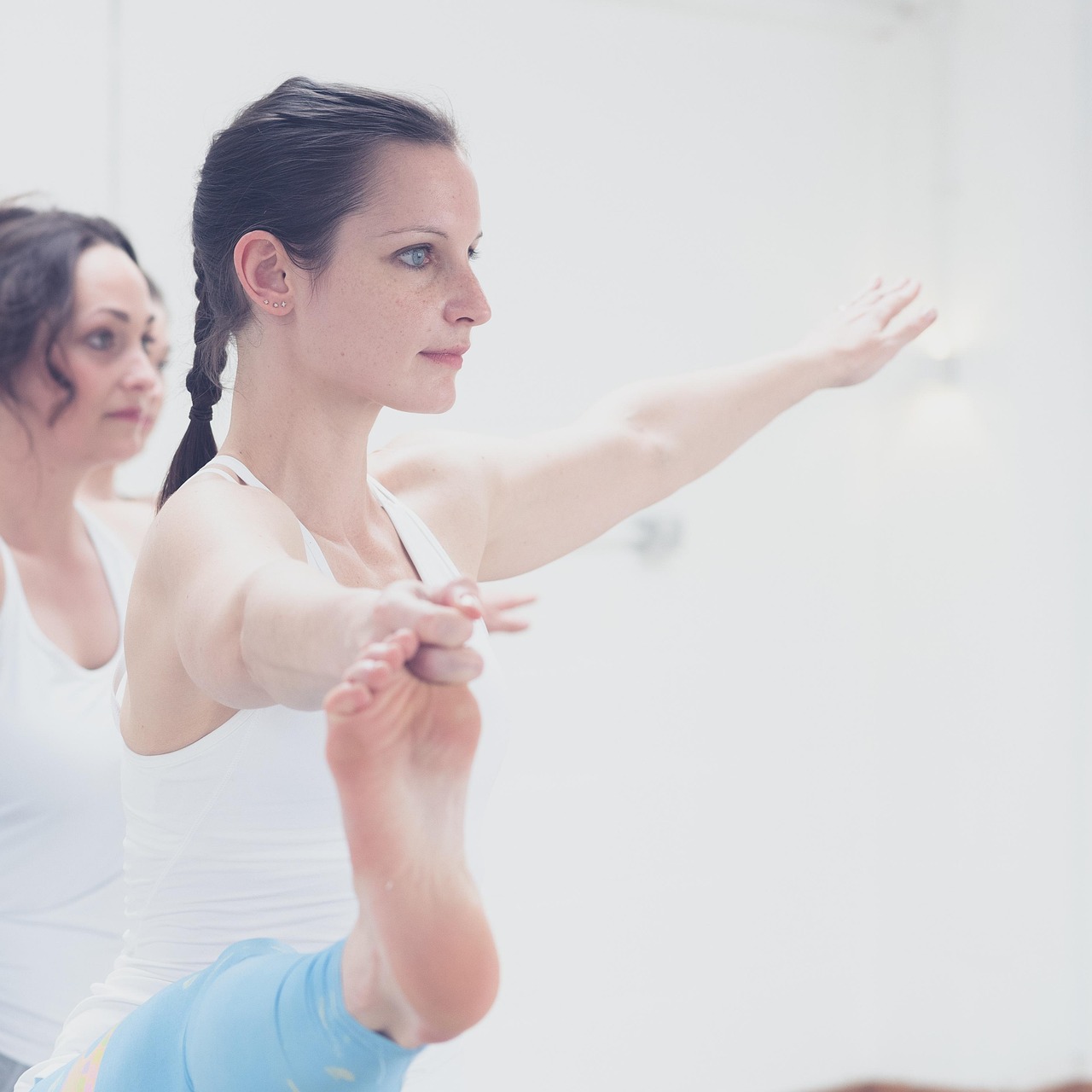
Yoga and Pilates are exemplary forms of flexibility training that not only enhance flexibility but also improve core strength and stability. Both modalities incorporate varying types of stretching along with body control, breathing patterns, and mindfulness. Practicing yoga can enhance both mental and physical aspects of flexibility, as it encourages relaxation, focus, and body awareness. These practices can be adapted to suit different fitness levels, making them accessible for everyone. Pilates emphasizes core engagement while promoting flexibility through controlled movements, ensuring that the body develops both strength and suppleness. Incorporating these practices into your routine not only enhances flexibility and recovery but also supports mental well-being. Many athletes have adopted yoga as part of their regimen to complement their training. This holistic approach can lead to significant improvements in overall athletic performance. Regular participation in classes can establish a stronger mind-body connection, which further enhances the effectiveness of training sessions. Ultimately, embracing yoga or Pilates introduces a deeper level of body awareness that can translate to improved athletic performance and enjoyment in one’s fitness journey.
In conclusion, flexibility training is an essential component of any workout regimen seeking faster recovery, enhanced performance, and reduced injury risk. By prioritizing flexibility, athletes can support their bodies in a comprehensive manner, ensuring that they not only recover well but also perform at their best. Implementing a variety of flexibility exercises can lead to improvements in muscle elasticity, joint mobility, and overall physical function. Moreover, flexibility plays a critical role in stress management and mental clarity, offering benefits beyond just the physical. Developing a tailored flexibility routine can foster greater longevity in an athlete’s career while encouraging safer practices. Athletes and fitness enthusiasts alike can benefit from incorporating flexibility training into their routines, as it aligns with the holistic goal of maintaining a healthy, active lifestyle. Whether through traditional stretching, yoga, or Pilates, the advantages are clear. Flexibility training should be recognized as a vital aspect of fitness, serving as a cornerstone for good health. Thus, embracing flexibility training not only leads to effective recovery but also paves the way for overall athletic success.