
Customizing Your Ergonomic Desk Setup for Unique Needs
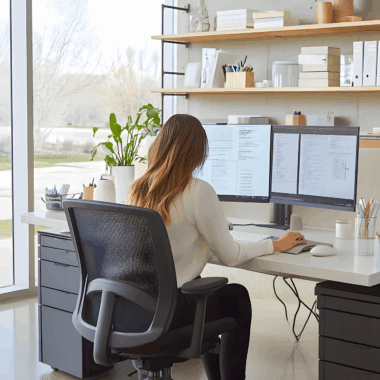
Creating an ergonomic desk setup tailored to your unique needs can greatly improve your comfort and productivity levels. Not all individuals are the same, and neither are their requirements when it comes to workspace design. The foundation of a successful ergonomic desk setup begins with understanding body proportions and workplace tasks. For starters, adjust your chair height to allow your feet to be flat on the ground, ensuring proper leg support and reducing strain. The next crucial element is selecting an appropriate desk. A desk that can accommodate both sitting and standing positions is usually ideal, allowing flexibility throughout your workday. Ergonomically designed desks range from traditional styles to modern adjustable options. Furthermore, incorporating a monitor stand can elevate your screen to eye level, promoting better neck alignment. Additionally, consider investing in an ergonomic chair that provides lumbar support and encourages good posture. Comfort should be your priority as you fine-tune your ergonomic desk setup. Don’t hesitate to experiment with various adjustments until you find the most suitable arrangement that meets your specific requirements, as well as fosters a productive work environment.
Importance of Desk Accessories
To enhance your customized ergonomic desk setup, the integration of specific desk accessories can be beneficial. Accessories like keyboard trays, footrests, and document holders play vital roles in optimizing your workspace. A keyboard tray can help reduce strain on your wrists and shoulders, especially if your desk is too high or low. Aim to keep your elbows close to your body and form a 90-degree angle while typing. Using a footrest can also alleviate pressure on the lower back and promote better posture by keeping your feet elevated. Additionally, a document holder can minimize neck strain, positioned at eye level to reduce the need for awkward tilting during tasks. Invest in high-quality accessories that complement your ergonomic desk. It’s essential to choose products that not only improve comfort but also enhance your workflow efficiency. Don’t overlook storage solutions as well; organizing your workspace can minimize clutter and distractions. A clean, organized desk supports a focused mindset, making it easier to concentrate on tasks. Evaluate each accessory for its ergonomic benefits to ensure it truly serves your individual needs and preferences while at your desk.
Lighting is another essential aspect to consider when customizing your ergonomic desk setup. Proper lighting reduces eye strain and enhances productivity during long working hours. Having a combination of natural and artificial light is ideal. Positioning your desk near a window can provide ample daylight, but ensure there’s no glare on your computer screen. Investing in an adjustable desk lamp with a soft light option can offer additional illumination when needed, especially during evening hours. Task lighting helps in minimizing shadows, ensuring clarity and precision for detailed work. You should aim for a light source that can be directed to specific areas of your desk for optimal visibility. Overly bright lights or harsh fluorescent lighting can strain the eyes and contribute to fatigue, so it’s beneficial to choose softer tones. Furthermore, integrating warm-colored light fixtures can create a comfortable ambiance that makes work more enjoyable. Remember, the aim is to create an inviting, warm atmosphere that inspires creativity while maintaining focus. Explore various lighting options to find what best suits your work habits and personal preferences at your ergonomic workspace.
Adjusting for Unique Needs
Each person’s body mechanics differ, and to achieve an ergonomic setup, adjustments should cater to these unique characteristics. For instance, if you wear glasses, ensure that the computer screen is positioned where your line of sight aligns with your eyesight level, preventing unnecessary strain. Individuals with shorter legs may wish to consider a footrest to avoid dangling feet, which can be uncomfortable over time. Conversely, taller individuals could benefit from a higher desk to maintain proper posture without hunching over. The proper placement of your monitor is crucial: you want it to be about an arm’s length away from your eyes, with the top of the screen at or below eye level. Furthermore, individuals who work with multiple monitors need to arrange them in a way that creates a seamless workflow without straining the neck. Remember that ergonomics is about making small modifications to fit your body and work style. Regularly assess your setup and make adjustments as your posture and needs evolve. Ergonomics is an ongoing process, so be proactive in refining your workspace.
Incorporating regular movement into your daily routine is crucial when customizing your ergonomic desk setup. It’s easy to get caught up in work and forget the importance of maintaining physical activity. Research has demonstrated that prolonged sitting adversely affects health, leading to various ailments including back pain and poor circulation. Schedule short breaks throughout your workday to stand, stretch, or take brief walks. Consider using a timer or apps that remind you to take these breaks, ensuring you build movement into your routine. Utilizing a sit-stand desk can further encourage frequent position changes, allowing you to shift between sitting and standing throughout the day. For those who prefer a more active approach, a treadmill desk may be an excellent alternative. The key is to find a balance that enhances your well-being and keeps you energized without distracting from your work. Assess how your body feels after prolonged periods of sitting or standing, adjusting your routine accordingly. Remember, the link between movement and productivity cannot be overstated. Make the commitment to incorporate activity into your workspace for long-term health benefits.
Conclusion on Ergonomic Desk Customization
Customizing your ergonomic desk setup is an essential investment in your overall well-being and productivity. Each component of your desk, from chairs to monitor placement, plays a significant role in ensuring comfort. Throughout this exploration of ergonomic principles, we’ve highlighted the importance of creating an environment tailored to your physical needs. Investing in quality ergonomic products is beneficial, but understanding how to adjust these items for optimal placement is equally critical. Regular evaluations of your workspace will help identify any areas that require attention. Finding the right balance between work efficiency and personal comfort is key to creating a healthy workspace. Listening to your body’s specific signals should guide your choices and modifications. Furthermore, embrace flexibility in your setup, as work habits and needs may evolve over time. Create a workspace that not only supports your physical health but also inspires creativity and productivity. With these principles in mind, you can confidently tackle work tasks while maintaining a comfortable, welcoming environment. Remember, your ergonomic desk setup is a reflection of your unique needs; take the time to customize it to optimize your work experience.
Finally, regularly evaluate the effectiveness of your ergonomic desk setup in promoting comfort, productivity, and health. Over time, your preferences may change, requiring ongoing adjustments to ensure continued satisfaction with your workspace. Be proactive in seeking feedback from your body regarding any discomfort experienced while working. Awareness can guide necessary modifications to improve your ergonomic design. Additionally, engaging in conversations with colleagues about their ergonomic solutions may provide valuable insights. Sharing experiences can lead to discovering new tools or techniques you hadn’t previously considered. You might incorporate ideas or products that others find beneficial, enhancing your personal workspace even further. Consider learning about the latest ergonomic trends through research or consultations with professionals in the field, providing new opportunities to optimize your setup effectively. The goal is to create a sustainable work environment where you can thrive. Prioritizing your well-being through ergonomics is essential, as it supports longevity in your professional pursuits. In conclusion, thoughtfully customizing your ergonomic desk ensures not only comfort but also improved productivity as you navigate the diverse challenges of your work environment.
By implementing the discussed strategies within this article, developing an ergonomic desk setup that aligns with your unique needs becomes attainable. Prioritize personalized adjustments to guarantee the workspace caters specifically to you. Begin by thoughtfully evaluating your workspace, incorporating tested ergonomic practices and refining elements that align with your work style. Remember to continuously adapt as your needs evolve, utilizing feedback from your body as a guide. Establishing a customized ergonomic setup is an ongoing journey rather than a one-time task. Engaging actively with the processes of improvement yields the most significant benefits. Nurturing a work environment that reflects your preferences promotes better productivity, comfort, and overall health. Ergonomics has become an increasingly important aspect in today’s job settings; hence, making informed choices empowers individuals to foster a long-lasting positive impact on their careers. Embrace the opportunity to refine and personalize your ergonomic desk setup; take steps toward a healthier, more productive work life. Remember, small adjustments can lead to significant changes, and a few moments of thoughtful consideration could yield invaluable enhancements to your workspace.