7-Day Fitness Challenge to Improve Flexibility
Welcome to our 7-day fitness challenge designed specifically for women aiming to improve flexibility. Flexibility plays a crucial role in overall fitness and health. It enhances performance in physical activities and can prevent injuries. In this challenge, each day will focus on different stretches and poses, aimed at increasing your flexibility gradually. Whether you are a beginner or have some experience, these routines can be adapted to your level. Remember, consistency is key to achieving results. Set aside at least 15 minutes daily to complete your stretching routine. Aim to listen to your body and never push yourself to the point of pain. Start incorporating these stretches into your daily routine and you’ll notice improvements in no time. So, grab your yoga mat, wear comfortable clothing, and let’s get started on this journey toward greater flexibility. Participants are encouraged to keep track of their progress by noting improvements in range of motion or comfort in stretches. Share your experiences with friends or on social media, motivating others to join the challenge. Let’s embrace this week of fitness, learning, and self-care while enhancing our physical capabilities.
Day one kicks off with some great warm-up exercises focusing on the whole body. Warming up is essential for preventing injuries and preparing your muscles for stretching. Start with five minutes of light cardio such as jogging in place or jumping jacks. Then move on to dynamic stretches like arm circles and leg swings. These movements not only prepare your body but also increase blood flow to the muscles. After that, dedicate about 10 minutes to static stretches. This includes those upright stretches targeting your neck, shoulders, and arms. Make sure to hold each stretch for at least 15-30 seconds. Pushing too hard too fast can lead to strains. Use this first day to familiarize yourself with the routines and pay attention to how your body responds. A journal can be helpful to note how you feel post-workout. You will gradually increase the intensity and duration of your stretches as the week progresses. Thus, day one is the perfect time to assess any limitations you may have, establishing a solid foundation for better flexibility. Stay positive and enjoy your first day, as it sets the tone for the week.
Focus on the Lower Body
On day two, we shift our focus specifically to lower body flexibility. Strong and flexible legs are vital for overall mobility. This day will incorporate stretches that specifically target the hamstrings, quads, and calf muscles. Start off with a gentle warm-up similar to day one, preceding the lower body stretches. Embrace movements like walking lunges and high-knee lifts to engage the lower limbs. After completing the warm-up, dive into a sequence of stretches. Start with standing quad stretch, transitioning to seated hamstring stretch, and finishing with calf stretches against the wall. Hold each position for 30 seconds, allowing the muscles to lengthen naturally. As you perform each stretch, cultivate a mindset of relaxation and breathe deeply. Awareness of your breath can enhance the effectiveness of these stretches. Remember to evaluate your comfort levels regularly and adapt stretches by reducing depth if needed. Increase your flexibility progressively over this week. By dedicating an entire day to the lower body, you’ll likely notice significant improvements in future workouts. Encourage yourself to embrace the challenge, keeping in mind how much stronger your legs will feel.
Day three focuses on the upper body to complement what we achieved in the first two days. Initiating with an engaging warm-up is crucial. Consider activities like arm swings, shoulder rolls, and neck rotations to loosen up. These movements will elevate blood flow to the muscles, preparing them for stretching. After your warm-up, we delve into upper body stretching routines. Key stretches for the chest, shoulders, and arms are included in this day’s practice. Incorporate stretches such as arm across the chest stretch followed by the tricep stretch overhead. The butterfly stretch will be excellent for your shoulders and back. Hold each pose for at least 30 seconds, breathing deeply and allowing ease in tense areas. Evaluating your limits at this stage is essential, as you should feel gentle pressure without pain. Recognize that achieving flexibility is a journey, and it takes time. Write down thoughts on which areas felt tight and need more attention as you proceed through the week. By the end of day three, your upper body will feel more relaxed, fostering overall mobility. A warm bath or foam rolling afterward could enhance muscle relaxation further.
Combination Day: Upper and Lower Body
As we reach day four, anticipate a combination day where we blend upper and lower body stretching. This approach enhances overall harmony in your workouts, thus maximizing flexibility gains. Begin with an extensive warm-up routine covering both upper and lower body movements. Such routine can include dynamic stretches that engage the entire body. Moving forward, alternate between upper and lower body stretches to ensure every area is benefiting equally. For instance, after a deep stretching of the lower back, shift suddenly to an upper body stretch like the side bend. A consistent rotation allows you to assess flexibility improvements across body parts effectively. Aim for holding stretches for 30 seconds for optimal results, focusing on breathing deeply in each pose. Create a rhythm while moving through stretches, fostering a meditative flow. Keeping track of how you feel across this combined regimen can empower you to target specific areas that require additional work in the following days. By the day’s end, your body should feel rejuvenated, equipped with greater flexibility that you can observe during regular movements.
On day five, we introduce yoga-inspired stretches to enhance flexibility further. Integrating yoga across this challenge can help build your strength and balance alongside flexibility. Begin with a five-minute warm-up focusing on the core and back. Practices such as cat-cow poses and downward dog can help prepare you for the following stretches. Once warmed up, introduce traditional yoga poses into your routine. The pigeon pose, for instance, will deeply extend tight hips, enhancing lower body flexibility. The seated forward fold is an excellent way to work on hamstring lengthening. Make sure each pose is held for 30 seconds to connect mind and body thoroughly. To amplify your experience, focus on your breath, letting go of tension. Consider using props like blocks or straps if needed to make poses more accessible. Remember that yoga is about progress, not perfection. Taking note of how deeply you were able to bend or stretch could be rewarding. Embrace the restorative benefits of this practice; yoga can help you release stress while making nice strides in your flexibility journey, blending overall fitness with soothing mental clarity.
Strength Training Meets Flexibility
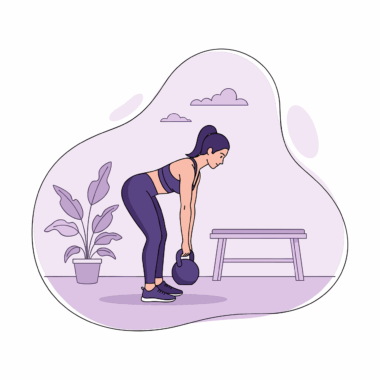
Approaching day six, this segment includes how strength training can ironically promote flexibility. A common misconception is that lifting weights reduces flexibility. However, appropriate training can improve range of motion. Start with a light warm-up similar to previous days, preparing muscles to engage. Incorporate bodyweight exercises such as squats and lunges, which can boost flexibility as they require your muscles to stretch. Every lift should focus on control and technique rather than heavy loads. After your strength exercises, transition to dynamic stretches that keep muscles active. Focus on controlled movements, which help improve flexibility. Incorporate movements like dynamic lunges followed by torso twists for a complete stretch session. Rather than isolating one part of your body, maintaining full-body engagement deepens each stretch, promoting better overall flexibility. Tracking your sessions through notes can illustrate how strength influences the flexibility process. The satisfaction in combining these elements may provide a new perspective on fitness, showcasing that different approaches can reinforce one another. Celebrate your accomplishments as this week draws near completion, with consistency paving the way for future challenges in flexibility.
Finally, on day seven, we culminate the challenge with a reflective session that combines all previous techniques. After a week dedicated to flexibility, take time to review your accomplishments, carefully assessing what had improved. Start with an easy-going warm-up, revisiting your favorite stretches from all the previous days. This session should serve as a joyful and freeing culmination of your hard work. Enjoy combining various techniques you’ve learned, integrating them into a cohesive flow of stretches. Focus on areas that felt more restricted earlier in the week, giving them special attention. Each pose should remind you of your journey and how determined you’ve been to improve flexibility. Always hold stretches for approximately 30 seconds, allowing adequate time for the muscles to relax and lengthen. Post-session, take the time to document your thoughts or reflections on how the challenge affected your weekly fitness and routine. Overcoming this challenge should inspire you to keep practicing and incorporate these stretches into your daily life going forward. You’ve completed this 7-day journey, celebrating progress while appreciating the importance of better flexibility for an overall healthier lifestyle.