
Understanding Calorie Needs When Doing Pilates Regularly
When engaging in Pilates regularly, understanding calorie needs is essential. Pilates is an effective method for improving strength, flexibility, and overall body awareness. However, it is crucial to complement your Pilates routine with appropriate nutritional strategies. One key component is caloric intake, which can vary based on several factors. These factors include individual metabolism, duration, and intensity of Pilates sessions. Many practitioners may underestimate their calorie needs, especially if they expect to lose weight without adjusting their diet. Proper fueling ensures performance is optimized. Additionally, consuming sufficient calories may help with muscle recovery and growth. Nutrition impacts not just energy levels but also the quality of workouts. A holistic approach to both exercise and nutrition will yield better results. Smart choices regarding food types and meal timing can significantly influence Pilates practice. Failing to recognize personal calorie needs might hinder progress and overall wellness. Staying mindful of how your body responds to different intake levels can guide adjustments. Tracking meals or consulting with a nutrition expert may also provide insights tailored to individual needs and goals. Thus, it is essential to assess calorie needs comprehensively while practicing Pilates.
Another critical consideration is how to accurately calculate your calorie needs based on your regular Pilates routine. The first step is to determine your Basal Metabolic Rate (BMR), which is the number of calories your body requires at rest. Several formulas can assist in this calculation, including the Harris-Benedict and Mifflin-St Jeor equations. Once you know your BMR, factor in your activity level; Pilates classes can vary in intensity from moderate to vigorous. This classification influences the total calorie expenditure. Online calculators can simplify this process, providing customized estimates based on your unique parameters. Aiming for a balanced diet by including macronutrients such as carbohydrates, proteins, and fats is essential. These food groups provide the necessary energy to sustain workouts while promoting recovery and muscle repair. Additionally, focusing on whole foods, like vegetables and lean proteins, supports overall health. Keeping a food journal can provide clarity on your intake versus output. Remember that hydration significantly influences energy levels and physical performance. Therefore, assessing both diet and hydration will lead to a more holistic understanding of achieving optimal results during Pilates practice. Don’t overlook the importance of nutrition and hydration alongside exercise.
Many individuals also wonder about the role of caloric deficits in conjunction with Pilates practices, especially regarding weight loss. While it’s possible to lose weight by creating a calorie deficit, it’s important to do so carefully. An overly restricted diet can reduce energy levels, impairing performance during Pilates sessions. For optimal results, aim for a moderate caloric deficit that supports fat loss while preserving muscle mass. Ideally, you want to create a deficit through both diet and exercise rather than relying solely on diet. A practical approach is to reduce daily calorie intake while increasing physical activity. Monitoring weight loss should be gradual and sustainable, targeting about one pound per week. This steady pace allows the body to adapt, minimizing potential negative impacts on metabolism. Also, combining both strength training and cardiovascular exercise with your Pilates routine can enhance calorie burn. Enhancing muscle mass increases resting metabolic rate, which can aid further in weight management. Therefore, combining these strategies with Pilates creates an effective approach to achieving weight goals. Engaging in nutritional education helps understand the balance between calorie intake and physical demands. Make informed decisions that align with your personal objectives.
Measuring Progress with Nutrition
Regularly assessing nutrition and its impact on your Pilates performance can provide valuable insights. Observing how your body responds to different dietary habits is crucial in influencing energy levels during workouts. Tracking progress includes monitoring factors such as energy, muscle soreness, and overall wellness. Keeping a fitness journal can facilitate these assessments. Noting the foods consumed alongside workout intensity allows for making more informed dietary choices. Additionally, remember to note hydration levels and any correlation with performance variables. Recognizing patterns can help you tailor your caloric intake to better suit your needs. Health professionals often recommend a balanced plate philosophy, which includes a variety of food groups. Carbohydrates provide essential energy, proteins support muscle repair, and healthy fats aid in nutrient absorption. Balancing these macronutrients according to individual needs and activity levels maximizes workout effectiveness. Furthermore, consider meal timing before and after workouts. Consuming a snack rich in carbohydrates and protein prior to class may enhance performance. Post-workout, meals should focus on recovery to replenish energy stores and contribute to muscle development. Regular assessments can refine your approach, allowing for a more enjoyable and beneficial Pilates experience.
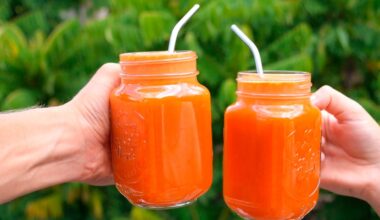
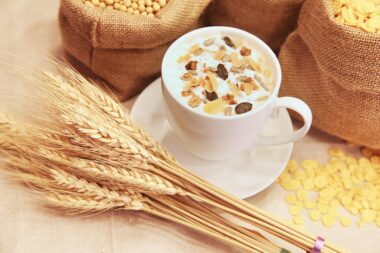
Another important aspect of nutrition while practicing Pilates is the role of timing in meal consumption. Energy levels play a pivotal role in maximizing the benefits of each class. Therefore, understanding when and what to eat before your Pilates session can enhance performance and focus. Many enthusiasts opt for a light snack about 30 minutes to an hour before workouts. This snack should be easily digestible, rich in carbs, and contain some protein to sustain energy levels. Options include fruit smoothies, yogurt with granola, or a slice of whole-grain toast with nut butter. Moreover, paying attention to post-workout nutrition is equally vital. Replenishing lost nutrients restores energy and helps with recovery. Consuming protein-rich meals after exercising supports muscle repair and growth. Foods such as grilled chicken, quinoa, or a protein shake are suitable choices post-Pilates to optimize recovery. It is also essential to maintain hydration throughout your practice. Dehydration can significantly impact energy levels and performance. Drinking water before, during, and after class is vital for physiological function. Staying informed about food timing can create a smoother workout experience and support vitality. Ultimately, managing nutrition ensures Pilates practice is both effective and enjoyable.
Whole Foods vs. Processed Foods
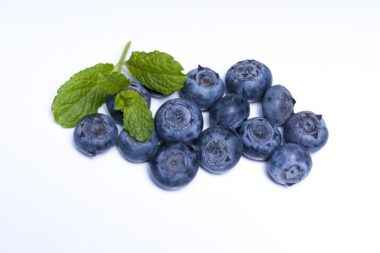
When tailoring your nutrition to support a Pilates routine, a focus on whole foods compared to processed options is advisable. Whole foods, such as fruits, vegetables, whole grains, lean proteins, and healthy fats, offer numerous health advantages over processed foods. For instance, whole foods generally contain better macronutrient balances and are more nutrient-dense. They provide vitamins, minerals, and dietary fiber, all crucial for overall wellness and energy. In contrast, processed foods are often high in added sugars, unhealthy fats, and preservatives. They can lead to blood sugar fluctuations, impacting energy during workouts. Therefore, aiming to fill your plate with a variety of colorful fruits and vegetables can enhance nutrient intake while supporting vitality. Incorporating quality protein sources, including legumes and nuts, enables muscle repair following workouts. Whole grains provide sustained energy through complex carbohydrates. Paying close attention to labels, opting for items with fewer ingredients, and prioritizing local produce can positively affect your nutrition. Thus, a focus on adopting a whole-foods approach aligns best with a Pilates lifestyle. Healthy eating habits combined with Pilates practice contribute to improved body composition, energy levels, and overall health.
Lastly, it’s beneficial to consider the role of supplements to support nutritional needs while practicing Pilates. Though whole foods should be the primary source of nutrients, some individuals may struggle to meet all their dietary requirements. Supplements can serve as a helpful addition to balanced nutrition. For example, certain practitioners may benefit from protein supplements to support muscle recovery and growth. Others may consider taking vitamin D or omega-3 fatty acids, particularly if dietary intake is insufficient. However, it’s vital to approach supplementation cautiously. Consulting with a healthcare professional can guide appropriate choices and dosages tailored to individual needs. Furthermore, supplements are not a substitute for food. The body recognizes and absorbs nutrients in whole food forms more effectively than in isolation. Therefore, prioritize achieving nutritional goals through diet first, then supplement accordingly where necessary. Remember that nutrition is personal, and each individual may have unique dietary requirements. Finally, tracking energy levels and performance can give insights regarding the need for adjustments in diet or supplementation. Ultimately, continuous evaluation is essential for successfully integrating nutrition with Pilates practice.
Understanding both calorie needs and nutrition is vital for anyone practicing Pilates regularly. This approach ensures you can harness the full benefits of your physical endeavors. Balancing exercise with proper fueling allows for consistent progress towards fitness goals.