
How Protein Supplements Enhance Muscle Recovery and Growth
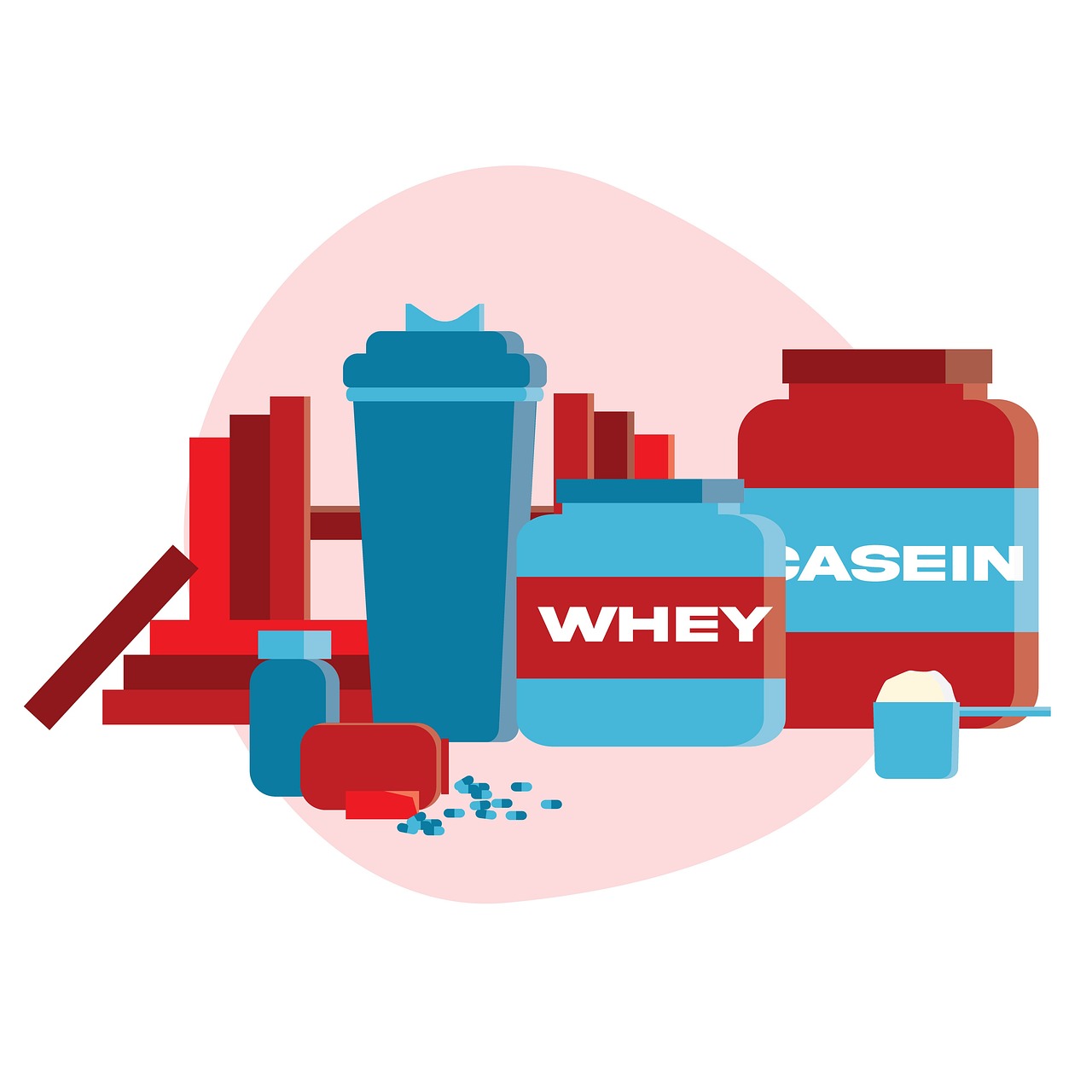
Protein supplements are key in modern sports nutrition strategies. They support muscle recovery and growth after intense workouts. Athletes and fitness enthusiasts regularly seek effective ways to maximize their training results. Protein helps repair the muscle tears incurred during physical activity. This process is critical for enhancing overall performance. Popular sources of protein supplements include whey, casein, and plant-based options. Each type offers distinct advantages based on personal dietary preferences. Whey protein, for example, is quickly absorbed, making it ideal for post-workout recovery. Additionally, it contains essential amino acids and is highly effective for muscle growth. Conversely, casein protein is slower to digest, providing a sustained release of amino acids. This can be beneficial overnight or during long intervals between meals. For those who are lactose intolerant or prefer plant-based choices, options like pea and soy protein are available. Each type supports muscle synthesis and repair. Understanding the specific needs and goals of athletes can guide the optimal choice of protein supplement. Finding the right supplement can significantly influence training outcomes and overall fitness results.
The Role of Amino Acids
Amino acids play a pivotal role in muscle recovery and growth, making protein supplements crucial for athletes. These essential building blocks of proteins facilitate numerous bodily functions. During exercise, muscle fibers undergo stress and micro-tears; this leads to an essential recovery phase. Amino acids are vital during this phase as they contribute to muscle repair and protein synthesis. Branched-chain amino acids (BCAAs) are particularly noteworthy, as they stimulate muscle growth. They help reduce protein breakdown, which is crucial after strenuous activity. The three main BCAAs include leucine, isoleucine, and valine. Leucine, in particular, is known for its anabolic effects and ability to trigger muscle repair. Protein supplements that contain high levels of BCAAs can significantly boost recovery outcomes. For optimal results, athletes often consume these supplements shortly after workouts. Research indicates that taking protein post-exercise can maximize muscle protein synthesis. Moreover, combining protein supplements with carbohydrates can further enhance recovery. Balancing nutrients in post-workout periods is vital for holistic recovery. Athletes should prioritize adequate protein intake to achieve desired performance outcomes successfully.
In addition to amino acids, the timing of protein supplementation plays a crucial role in muscle recovery. Nutrient timing focuses on consuming nutrients when the body can utilize them most effectively. For athletes, this often means consuming protein shortly after exercise. Studies demonstrate that protein intake in the post-workout period effectively enhances recovery rates. A common recommendation is to consume a protein-rich meal or supplement within 30 minutes to two hours after a workout. This timeframe is known as the “anabolic window,” where the body is primed to absorb nutrients. During this period, increased blood flow to muscles helps in delivering amino acids for repair. By consuming protein at this optimal time, athletes can promote greater muscle recovery and adaptations. Furthermore, it’s essential to not only focus on quantity but also on protein quality. High-quality protein sources ensure a higher availability of beneficial amino acids. Combining protein with carbohydrates can also facilitate replenishing glycogen stores. The synergy between proteins and carbs can result in a more effective recovery process. Understanding timing and combinations in nutrition can enhance athletic performance and speed up processes.
Benefits Beyond Muscle Recovery
Beyond muscle recovery, protein supplements provide various additional benefits that athletes often overlook. These benefits can significantly enhance overall performance and health. First, protein plays a crucial role in maintaining a healthy metabolism. A higher protein intake helps in fat loss while preserving lean muscle mass. This is particularly important for athletes who strive for optimal body composition. Protein can also regulate hunger, contributing to better dietary choices and overall calorie control. Furthermore, protein aids in the body’s immune function. Intense training can temporarily suppress the immune response, making athletes susceptible to illness. Adequate protein levels can support immune function, allowing athletes to train consistently. Additionally, protein is critical for producing enzymes and hormones, which are vital for overall bodily functions. Without adequate protein intake, performance levels may plateau. It’s essential to consider an athlete’s overall health and well-being when evaluating their nutrition. Regular consumption of protein through supplements can contribute to sustaining routine workouts and enhances physical performance. A well-rounded diet, inclusive of protein supplements, supports athletes in achieving their goals while maintaining health.
Moreover, protein supplementation can improve an athlete’s overall training experience by enhancing recovery and reducing feelings of fatigue. When muscles experience damage, soreness can linger, affecting subsequent workouts. Protein helps mitigate these sensations by accelerating muscle repair processes. As recovery times shorten, athletes can engage in training sessions with higher intensity and frequency. This can lead to improved overall performance and more significant adaptations over time. Protein supplements offer convenience for quick consumption, fitting easily into a busy lifestyle. Many athletes appreciate the convenience of protein shakes or bars, ensuring they meet their daily protein targets. This is especially important when preparing healthy meals at home may not be feasible. Furthermore, a sustained protein intake throughout the day can lead to better muscle retention. Spreading protein consumption evenly across meals helps maintain an anabolic state, beneficial for muscle growth. Long-term strategies that focus on consistent protein intake can yield substantial results. Understanding and implementing effective protein supplementation practices into everyday routines enhances athletic performance. Focusing on recovery and food convenience empowers athletes to stick to their training regimens.
Choosing the Right Protein Supplement
Choosing the right protein supplement is critical for athletes aiming to enhance muscle recovery and growth. Various options are available, and selecting the best one can significantly affect training results. When choosing a protein supplement, first consider dietary restrictions and preferences. For instance, whey protein is an excellent option for those without lactose intolerance. It is a fast-digesting protein full of essential amino acids, beneficial for post-workout recovery. On the other hand, those with dietary restrictions may benefit from plant-based protein supplements. These options, such as pea protein or soy protein, are also effective for muscle recovery. Furthermore, consider the protein per serving and the presence of other ingredients, like added sugars or fillers. Read labels carefully to ensure you are consuming a high-quality product that meets your nutritional needs. Also, consider the research and reputation behind the product. Some brands have more scientific backing than others. By selecting a well-researched protein supplement, athletes can confidently support their recovery journey. Overall, understanding personal goals guides the decision-making process.
Incorporating protein supplements into a balanced diet is vital. This ensures that athletes meet their protein requirements while attaining maximal recovery benefits. Although protein is essential, it should complement a well-rounded nutrition approach. Athletes should focus on consuming a variety of nutrients from whole food sources. Leafy greens, fruits, whole grains, and healthy fats should accompany protein consumption for optimal health. Protein supplements serve as a convenient method to ensure sufficient protein intake but should not replace whole foods. Planning balanced meals that are diverse in nutrients supports overall wellness. This holistic approach promotes faster recovery and sustained energy levels. Be mindful of maintaining adequate hydration, as water also plays a pivotal role in recovery. Pairing adequate water intake with protein can yield better results post-workout. Being aware of both nutrient balance and hydration helps foster a better training experience, leading to enhanced performance outcomes. Education about nutrition is crucial in the athletic community. Find reliable resources for guidance and continuously learn about effective practices. This foundational knowledge serves athletes in various disciplines and maximizes performance potential.
In summary, protein supplements play an essential role in muscle recovery and growth. They provide athletes with the necessary tools to optimize their training efforts successfully. With a focus on amino acids, timing, and high-quality protein sources, athletes can maximize their recovery strategy. Understanding individual needs significantly influences decisions regarding the types of protein supplements to incorporate into daily routines. Additionally, the benefits of protein go beyond just muscle repair. They encompass overall health, metabolism, and immune support. Protein intake can directly affect training frequency, intensity, and outcomes. Therefore, athletes should consciously include protein supplements in their nutrition plans. A commitment to learning about nutrition can enhance athletes’ performance and foster lifelong fitness habits. It’s essential to remember that protein is a piece of the larger nutrition puzzle. Therefore, balance in one’s diet should always be prioritized. Overall, by educating themselves and exploring various protein supplement options, athletes can achieve their specific fitness goals. Recognizing the impact of protein consumption allows athletes to build stronger, more resilient bodies. The ongoing journey to understand nutrition will continue to shape athletic performance and recovery.