
Essentials of Weapon-based Martial Arts Techniques
Weapon-based martial arts techniques offer a unique fusion of physical skill and mental discipline, revealing the profound artistry behind self-defense mechanisms. Whether using swords, staffs, or other weapons, practitioners develop coordination, speed, and precision. Understanding the foundational aspects of these techniques ensures that students progress safely while mastering their craft. Proper stance and grip are pivotal; they not only enhance control but also establish the groundwork for advanced movements and strikes. To fully appreciate these arts, one must understand the essence of focus and intention. Each strike, block, or maneuver requires intentionality, reflecting a martial artist’s commitment to their training. Begin with basics, such as footwork, which serves as the backbone for movement and engagement. Regular practice leads to muscle memory, allowing for fluid transitions between techniques. This foundational understanding allows bridging into advanced training aspects. Safety equipment is essential during practice to prevent injuries. Always wear appropriate gear, including protective pads and helmets, to shield oneself during sparring. Moreover, proper supervision from a qualified instructor is vital to ensure that techniques are performed safely and correctly, fostering an environment of growth and mastery.
As you progress in weapon-based martial arts, focusing on discipline becomes paramount. Not all techniques apply equally in every situation; therefore, understanding context and adaptability is key. Effective training involves analyzing self-defense scenarios where weapon techniques shine, requiring both awareness and judgment. Handling a weapon necessitates respect, as it is not merely an object but a tool for personal protection. Practitioners should cultivate an ethical mindset, understanding the significant responsibilities that come with using weapons. Engaging in martial arts offers students opportunities to enhance their confidence levels significantly. This confidence permeates beyond the dojo, positively impacting other aspects of life. Moreover, practicing with weapons fosters unique skills like reflex enhancement and strategic thinking. Circle drills are an excellent way to practice the application of various techniques while improving agility. These drills can simulate live conditions, aiding your reaction time under pressure. As you become proficient, begin sparring to test your skills against other practitioners. Rather than viewing this as purely adversarial, see it as a mutual exchange of knowledge and skills. Learning from each engagement prepares you for real-world situations where confidence and competency shine the most. Be gracious in both victory and defeat.
The Importance of Practice and Consistency
Consistency plays a vital role in mastering weapon-based martial arts techniques. Regular practice translates to mastery, ensuring that students can perform techniques instinctively. Engaging in daily drills fosters muscle memory, which is critical when executing techniques swiftly in high-pressure environments. The key to success lies in setting realistic goals, both short-term and long-term. Breaking down complex techniques into manageable parts enables efficient learning. Additionally, maintaining a training journal can be immensely beneficial. This journal helps you track progress and identify areas that require more focus. Every session counts; repeat exercises focusing on accuracy, speed, and power. Consistency also builds endurance and cardiovascular fitness, necessary for prolonged engagement. Condition the body alongside honing skills to prepare for the demands of martial arts practice. Incorporate strength and flexibility exercises into your routine for comprehensive fitness. Yoga and strength training can enhance overall performance, sky-rocketing efficiency during weapon handling. Increased flexibility facilitates fluid movements, while strength contributes power to each strike. Lastly, remember the importance of rest and recovery in your training regimen. This prevents overtraining while allowing the body to heal and rebuild muscle, cementing overall physical preparedness.
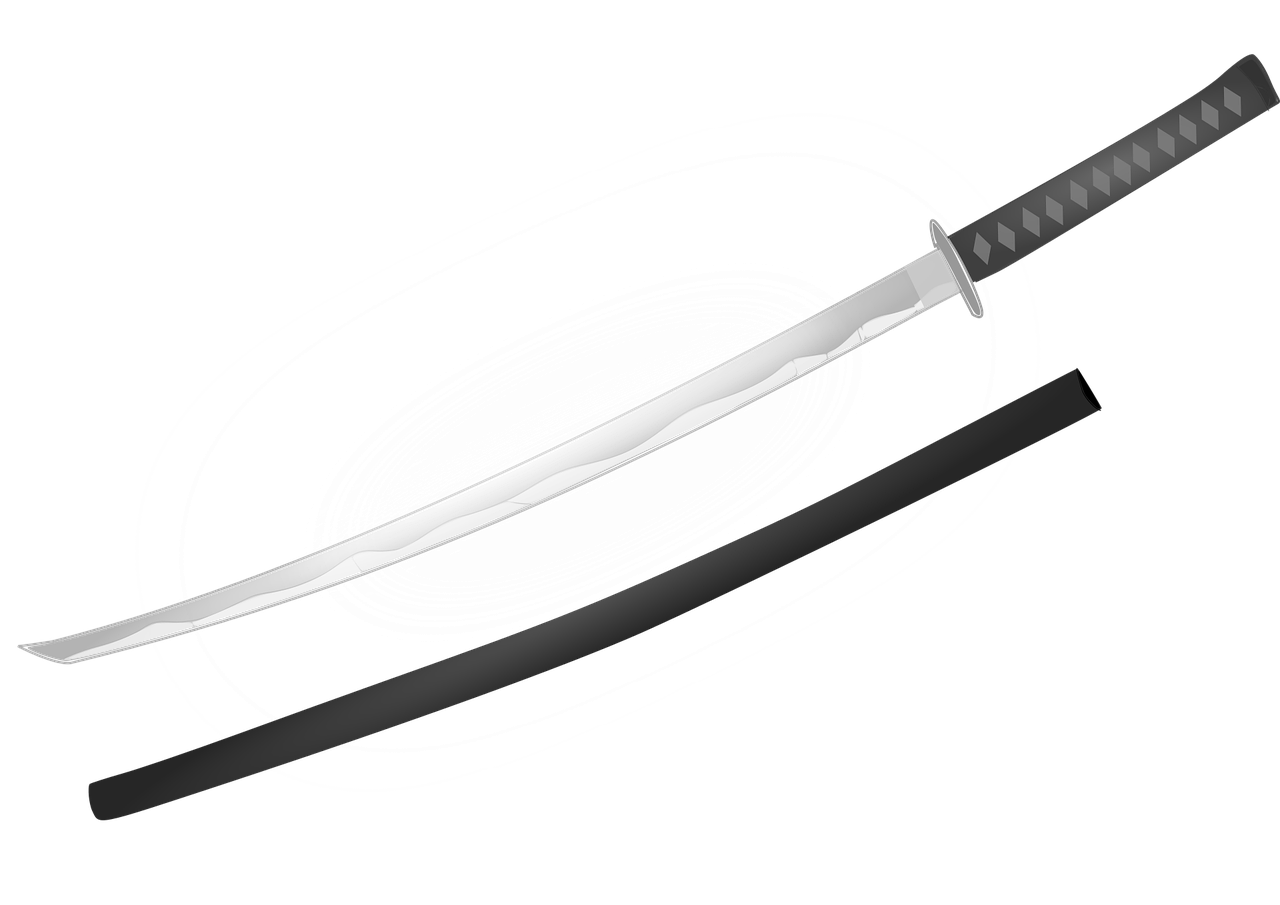
Another crucial aspect is understanding different weapon styles. Familiarizing yourself with various weapon-based techniques opens new dimensions in martial arts practice. Many diverse systems exist, such as Filipino martial arts, which focus on stick fighting; Kendo, emphasizing swordsmanship; or Filipino Kali, which teaches empty-hand and weapon transitions. Each style offers unique perspectives and techniques, contributing to a comprehensive understanding of weapon usage. Engage with different instructors or attend workshops to expand your arsenal of techniques. This cross-training enriches your primary practice, promoting versatility while deepening your appreciation of the martial arts. Additionally, understanding the history and cultural significance of each weapon and technique can add depth to the training experience. Studying the origins helps students appreciate the philosophy behind the movements. This might include the importance of balance, power, and poise, intertwined within numerous martial arts disciplines. Moreover, it fosters respect for the tradition and the practitioners who came before. There’s beauty in learning; techniques are often encapsulated in forms or katas, which teach flow and discipline. Engage in these forms while reciting the values associated with each movement, creating harmony between mind, body, and spirit as you unblock your potential in weapon-based martial arts.
Building a Strong Foundation
A fundamental aspect of weapon-based martial arts revolves around establishing a solid base of techniques. This foundation comprises essential moves, grips, and stances; without mastering these basics, advancing becomes exceedingly challenging. Start with simple techniques to build a robust skill set before tackling complex forms or weapons. Practicing basic strikes consist of jabs, cuts, and stabs, followed by footwork drills that improve mobility and positioning. Correct footwork not only enhances offense but defense based on distance management and body placement. Next, focus shifts to various blocks and parries that protect against incoming strikes. Mastering both attack and defense enables practitioners to respond effectively under pressure, reinforcing a true martial arts mindset. Furthermore, engaging in partner drills to practice techniques fosters real-world scenarios where adaptability becomes crucial. Simulating realistic situations allows students to experience the dynamics of combat without over-relying on a single technique. Throughout this process, maintaining a positive mindset and patience emphasizes growth. Progressing at an individual pace nurtures both skill and confidence, serving as a reminder that martial arts is a lifelong journey.
The mental aspect of weapon-based martial arts is often overlooked but equally crucial. Cultivating mental strength enhances focus, determination, and resilience, which are vital in achieving mastery. Visualization techniques can play an instrumental role; mentally rehearsing techniques prepares both mind and body for execution. Envisioning successful movements invokes confidence before actually performing them, reducing anxiety during practice and sparring sessions. Mindfulness meditation practices can enhance overall awareness, allowing practitioners to hone their observation skills during engagements. This heightened awareness cultivates the ability to read opponents and respond effectively. One also learns strategic thinking through analyzing fights and developing effective counterstrike responses. Journaling thoughts and reflections post-practice can offer valuable insights, reinforcing valuable lessons learned during training. Ultimately, incorporating a strong mental component leads to improved performance and decision-making, increasing adaptability. This blend of physical training and mental acuity cultivates well-rounded individuals prepared for martial arts and challenges in life. A firm focus on personal growth, discipline, and respect is necessary principles to carry not just in the dojo, but throughout one’s harrowing journey of life and martial arts.
In conclusion, the essentials of weapon-based martial arts techniques encompass both physical and mental dimensions. Mastery requires dedication, discipline, and an ethical mindset. Students must engage with their training holistically, emphasizing foundational skills, safety, and respect for the art. Cultivating a consistent practice routine allows for continuous improvement, enhancing not only martial capabilities but building confidence and resilience over time. Emphasizing the importance of seeking knowledge across different styles will significantly enrich the practitioner’s experience, providing insights into the broader martial arts spectrum. Furthermore, acknowledging the necessity of mental preparation can enhance both performance and adaptability, preparing individuals for various life challenges. Strong foundations, diligence, and respect for martial traditions elevate one’s journey. Embracing these principles ensures that individuals not only grow as capable martial artists but also as responsible community members. As you embark on this fascinating journey, appreciate the art’s beauty and complexity. Celebrate progress and remain humble in learning. Remember, martial arts is not just about combat; it encompasses a philosophy of life that withstands challenges and provides paths for self-improvement, resilience, and discipline in one’s daily interactions.