
Pilates Retreats for Stress Relief and Mental Clarity
Pilates retreats provide a serene environment where participants can unwind and focus on personal growth and healing. These retreats typically take place in tranquil settings, away from the hustle and bustle of daily life, enabling attendees to immerse themselves in their practice. The combination of physical movement, mindfulness, and relaxation techniques incorporates the principles of Pilates, which emphasize core strength and body awareness. Physical and mental well-being are intertwined, and Pilates encourages a harmonious balance between these aspects. The structure of each retreat may include daily classes led by experienced instructors, meditation sessions, and workshops aimed at developing tools for stress management. Participants will learn various breathing techniques and postures that enhance relaxation and clarity during sessions. Some programs may also offer nutritional workshops to cultivate healthier eating habits, contributing to overall wellness. It’s a chance to unplug from technology and reconnect with oneself through self-reflection and focused movement. Meeting like-minded individuals at a retreat fosters community and support, which are crucial for mental well-being.
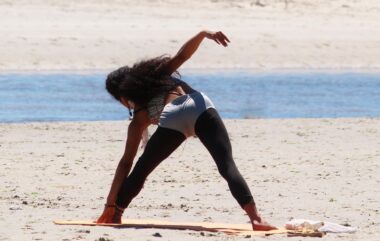
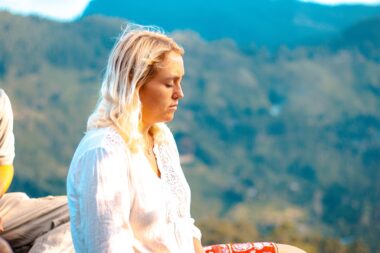
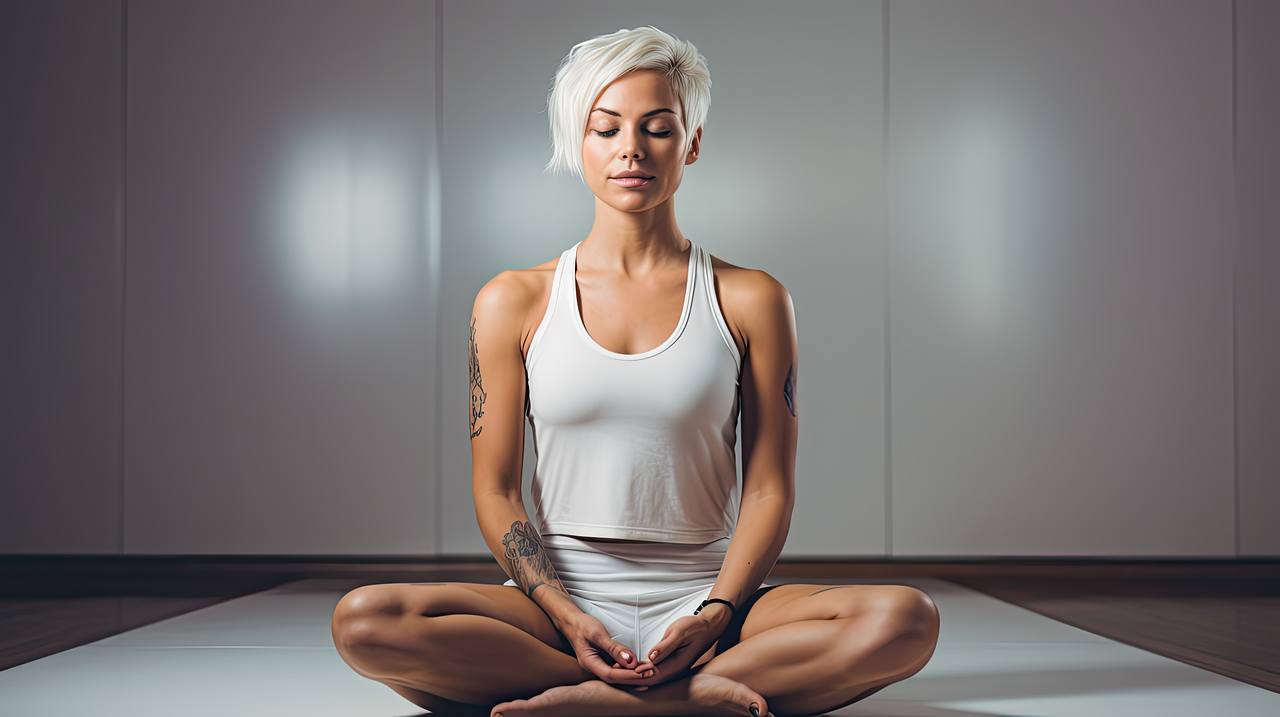
Many Pilates retreats also intersperse leisure activities, allowing participants to rejuvenate their minds and bodies fully. Exploring nature, engaging in hiking, or enjoying a beach setting can enhance this immersive experience. When participants aren’t in class, they often have the opportunity to participate in activities that bolster community bonds and promote relaxation. Some locations offer luxurious accommodations, healthy gourmet meals, spa services, and holistic therapies such as massages or acupuncture. These elements contribute to a comprehensive wellness experience tailored to recover from daily stresses. Whether you choose a weekend getaway or a week-long immersion, these retreats are designed to help rejuvenate the body and mind. Additionally, some retreats emphasize cultivating mindfulness and meditation practices. Such techniques can help to invite mental clarity and peace into everyday life. Learning these strategies can enhance the stress-reducing effects of Pilates, amplifying the benefits gained from the physical practice. Ultimately, attending a Pilates retreat allows for deep personal exploration while breaking patterns of stress that can hinder well-being.
The Healing Power of Pilates
Pilates is rooted in the idea of creating a strong mind-body connection. The awareness of breath and movement plays a crucial role in facilitating this connection. As participants engage in Pilates exercises, they begin to notice their physical form, breathing patterns, and feelings arising from each movement. This heightened awareness helps to process thoughts and emotions, alleviating stress and anxiety. Many practitioners report feeling lighter and more balanced after a dedicated period of Pilates practice. Whether it’s through mat work or using specialized equipment, participants will invest time into cultivating flexibility, strength, and endurance. The physical activity helps to release stored tension in the body and clears mental fog, allowing for deeper relaxation. Retreats also offer guided journaling to assist participants in reflecting on their experiences, leading to greater insights into their stressors and overall mental clarity. Even after returning home, individuals can apply the techniques learned in these retreat settings. Incorporating Pilates into daily routines can have a sustained effect, fostering resilience against everyday stressors.
Nutrition and Lifestyle Considerations make a significant impact on stress relief and mental clarity. Many tourism-friendly Pilates retreats focus on serving nutritious meals that nourish the body. Understanding how what we eat can influence our mood and energy levels is essential for maintaining mental balance. Throughout these retreats, chefs often curate menus that highlight whole foods, vibrant vegetables, fresh fish, lean proteins, and healthy fats. Cooking workshops may be offered to educate participants on beneficial eating habits and meal preparations. Learning the importance of hydration and mindful eating can substantially improve individuals’ overall wellness. Furthermore, the supportive environment allows attendees to openly discuss their struggles with certain dietary habits that may negatively impact their mental clarity. Integrating Pilates with proper nutrition is an empowering approach to achieving long-term results. Creating a daily routine that revolves around movement and healthy eating creates a lifestyle change instead of a temporary fix. Participants often leave retreats equipped with knowledge and strategies to sustain their newfound clarity and physical vitality.
Emotional Benefits of Pilates Retreats
Attending a Pilates retreat can profoundly affect emotional health. Laughter, camaraderie, and shared experiences foster deeper connections among participants, breaking down walls of isolation often felt in everyday life. Engaging in group activities and discussions can reveal similar challenges faced by others, normalizing individual experiences. This sense of community promotes emotional well-being, reminding attendees they are not alone in their struggles. Many retreats incorporate moments for deep reflection, encouraging individuals to look inward and confront their feelings. Practices such as meditation and guided visualization exercises can facilitate emotional healing, allowing participants to release burdens they may have carried for too long. Recognizing and verbalizing these feelings often encourages a shift in mindset, inspiring positive change. Furthermore, the space offered in a retreat allows for vulnerability, creating an environment where participants support one another without judgment. By providing these opportunities, Pilates retreats serve as a sanctuary for emotional restoration and growth. Participants learn to recognize the connection between emotional health and physical vitality, equipping them with tools to maintain balance.
To maximize the experience of Pilates retreats, participants are encouraged to plan their schedules ahead. Arriving with intention can enhance the retreat experience, as individuals can set personal goals and expectations. Reflecting on what they truly hope to achieve during their time away allows individuals to navigate their journey with clarity. Whether it’s overcoming specific stressors, rediscovering joy, or cultivating mindfulness, preparing mentally and logistically helps align their objectives. This preparation also includes being open to experiencing various classes and activities that the retreat offers. Often, instructors recommend trying new techniques to expand one’s practice. This openness towards learning can unlock potential and personal transformation, contributing to stress relief. It’s vital to remain flexible and adaptable during the retreat, as each class or experience can offer unique insights. Participants should approach challenges with curiosity rather than self-criticism. Each interaction, both with instructors and fellow attendees, presents opportunities for rich learning. Ultimately, embracing this journey can lead to lasting effects that extend beyond the retreat setting.
Continuing the Journey Post-Retreat
Transitioning back to daily life after a Pilates retreat can prove challenging. Participants often feel rejuvenated and filled with inspiration but may struggle to maintain the momentum gained during their time away. Establishing a daily or weekly routine is crucial for extending the benefits of the retreat. Integrating Pilates practices, meditation, and nutrition awareness into everyday schedules can help preserve mental clarity. Many attendees find it beneficial to create a support network of friends or fellow participants, encouraging one another to stay committed to their goals. Setting realistic expectations can also help ease the re-entry process, allowing participants to gradually transition back into their routines without overwhelming pressure. Facilitating small moments of mindfulness throughout the day, such as taking breaks during work or practicing deep breathing, helps sustain a calm state of mind. Regularly revisiting notes taken during the retreat or journaling thoughts can reinforce lessons learned. Finally, seeking opportunities for further workshops or classes can keep the spirit of the retreat alive. Making a conscious effort to prioritize mental health fosters a deeper connection to the Pilates practice and enhances overall wellness.