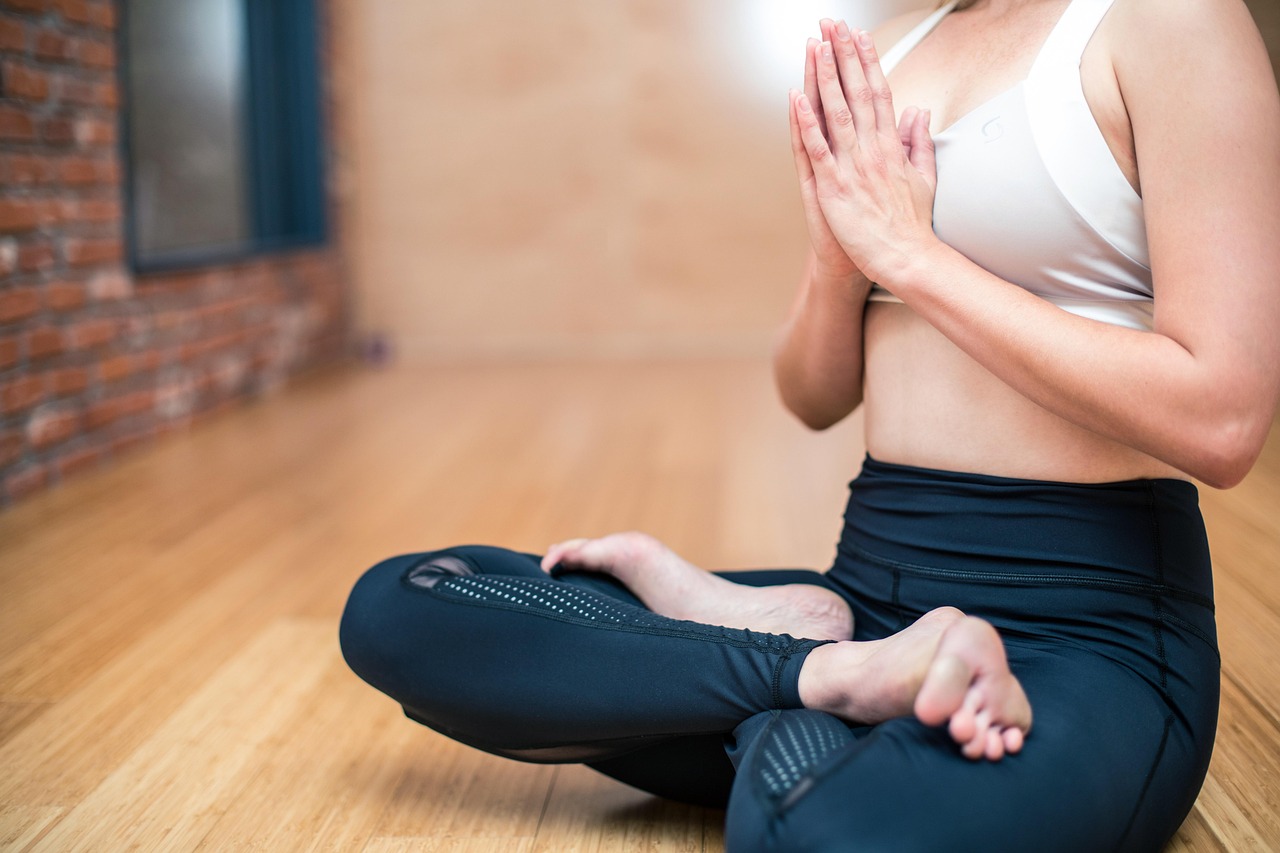

Enhancing Athletic Performance with Yoga and Mindfulness
In the realm of fitness, athletes constantly seek methods to improve performance. Incorporating yoga and mindfulness practice offers significant advantages. These techniques not only enhance physical abilities but also promote mental clarity. By engaging in yoga, athletes can experience improved flexibility and strength. Furthermore, mindfulness aids in reducing stress and anxiety, which are commonly associated with high-stakes competitions. This holistic approach complements traditional training methods. For instance, practicing controlled breathing techniques can enhance endurance levels. Additionally, awareness during training prevents injuries, helping athletes train smarter. Incorporating yoga sessions encourages the recovery of the body, making it vital for athletic success. Recognizing the unity of the mind and body is essential for developing comprehensive training regimens. A synergy between physical exercise and mental discipline enhances overall performance during crucial moments. As athletes embark on this dual journey, they discover new ways to reach their goals. In today’s competitive landscape, understanding this interplay can provide a vital edge. This article explores how yoga and mindfulness can transform athletic performance significantly for individuals and teams alike. Let’s delve deeper into the mechanics and benefits of this essential synergy.
The Benefits of Yoga in Athletic Training
Yoga offers remarkable benefits specifically tailored for athletic training. Athletes often adopt yoga to achieve greater overall body awareness. This practice enhances proprioception, which improves coordination and reduces the likelihood of injuries. Through various asanas, or postures, athletes strengthen specific muscle groups while increasing flexibility. Improved flexibility allows for a wider range of motion, which can ultimately elevate an athlete’s performance, especially in sports that require a diverse set of movements. Moreover, regular yoga practice can aid in recovery, reducing muscle soreness post-training. This is due to the increased blood flow yoga promotes, delivering nutrients to fatigued muscles more effectively. Mindfulness, an essential component of yoga, enables athletes to cultivate focus. It helps them manage the mental pressures associated with competition while fostering a strong sense of resilience. Athletes who incorporate yoga into their routines often report decreased stress and increased clarity of thought. Furthermore, yoga encourages deeper and more effective breathing patterns, optimizing oxygen delivery during performance. This synergy enables athletes to maintain peak performance levels, enhancing their competitive edge. Establishing a consistent yoga routine can prove invaluable for any serious athlete seeking enhanced results.
The practice of mindfulness deeply influences how athletes approach their training. Cultivating mindfulness helps athletes develop a stronger connection to their bodies and movements. This awareness fosters precision in technique during high-pressure situations. Mindfulness also aids in mental preparation, reducing pre-competition nerves that can hinder performance. By focusing on the present moment, athletes can let go of past failures or future doubts. Engaging in regular mindfulness meditation practices integrates seamlessly with yoga techniques promoting mental and emotional balance. These combined practices help athletes experience heightened levels of self-awareness and confidence. Over time, incorporating mindfulness can enhance cognitive function, ultimately benefiting decision-making during competitions. Mindfulness practices, when emphasized in daily routines, can lead to improved focus and concentration levels. As athletes become mentally stronger, their performance on the field or court also improves significantly. The combination of yoga and mindfulness nurtures resilience and mental fortitude, creating athletes who can push their boundaries. In this highly competitive environment, the mental edge is as crucial as physical capabilities. Thus, adopting mindfulness alongside physical training emerges as a key element in fostering elite athletic performance and achieving one’s ultimate goals.
Combining Yoga and Mindfulness for Athletic Performance
Integrating yoga and mindfulness strategies into athletic training provides a synergistic approach to enhance performance. This holistic framework acknowledges the critical relationship between body and mind as key components of any athlete’s journey. Incorporating sessions that blend both practices fosters an environment conducive to growth. These combined sessions might include breath-focused movements that align physical exertion with mental visualization techniques. Because both yoga and mindfulness cultivate body awareness, they empower athletes to push their limits safely. For effective results, consider designing training weeks that combine yoga classes with standard practice. This variation ensures crucial flexibility and strength development geared towards specific sports. Additionally, it is vital to recognize the various styles of yoga that can complement athletic training. For example, power yoga tends to enhance stamina, while restorative yoga focuses on relaxation and recovery. This understanding allows athletes to tailor their programs directly to their needs. As athletes grow in their practice, they not only enhance their physical capabilities but also develop mental resilience. This methodical approach encourages athletes to explore their potential without self-imposed limitations. Thus, the unification of yoga and mindfulness becomes essential for achieving optimal athletic performance.
Another fundamental aspect of yoga and mindfulness integration is the assessment of athletic performance metrics. These metrics guide athletes in recognizing areas for improvement, both physically and mentally. By tracking progress, athletes can visualize their development while reinforcing commitment. For instance, athletes might monitor changes in flexibility, strength, or breathing efficiency aligned with mindfulness practices over time. This data enables them to identify what techniques yield the best results. Furthermore, potential barriers can be eliminated with thoughtful analysis, allowing athletes to engage more effectively in their training routines. This reflective practice keeps athletes motivated while fostering a sense of accomplishment. Pairing assessment metrics with personalized yoga sequences further supports tailored development. The ability to adapt yoga practices addresses specific challenges faced by athletes allows for continued progress in performance. On a psychological level, maintaining logs of practices can contribute to a deeper understanding of personal responses to each session. Thus, this structured approach ultimately cultivates mindfulness within training and allows athletes to derive maximum benefit. By honing in on these key performance indicators, athletes masterfully combine physical prowess and mental acuity without becoming stagnant in their journey.
Conclusion: Embracing the Synergy
Embracing yoga and mindfulness within athletic training paves the way for a transformative journey. Through their integrated application, athletes cultivate resilience and achieve peak performance levels. This holistic perspective nurtures not only the body but also the mind. As athletes become more attuned to their physical capabilities, their mental strength significantly intensifies. Recognizing this empowers athletes to explore their untapped potential. Moreover, as competition becomes increasingly fierce, maintaining a competitive edge is essential. Yoga provides valuable tools while mindfulness enhances self-awareness. Together, they create a powerful synergy that magnifies training effectiveness. A unique commitment emerges, fostering an atmosphere of growth and discovery. As athletes embrace adaptability and resilience, they gradually move beyond their perceived limitations. Engaging fully in this collaborative process transforms their experiences both in training and competition. Ultimately, this journey promises enhanced performance and overall well-being. By participating in regular yoga and mindfulness practices, athletes fortify their competitive edge. Thus, integrating these practices becomes fundamental for any athlete aspiring to not only rise to the top but also sustain the journey over time. The evolution of athletic performance thrives on this remarkable synergy, encouraging all to consider its profound impact.
The journey of integrating yoga and mindfulness enriches the entire fitness experience. As athletes commit to developing their practices, their lives undergo positive transformations. This holistic framework not only enhances performance but fosters a deeper connection to physicality. Creating balance in training enables athletes to develop resilience, power, and mental clarity. In turn, these traits positively impact daily routines, enhancing overall quality of life. Engaging in such practices serves beyond mere athletic pursuits; it instills values of discipline and self-care. These lessons transcend sports and resonate in personal relationships and careers. As a final takeaway, adopting a consistent practice of yoga and mindfulness offers far-reaching benefits, providing athletes with tools that transcend physical training. Integration of these principles ensures athletes remain focused amid external pressures, ultimately facilitating continuous growth. Those who diligently practice experience shifts in perspective and personal development. They understand that success isn’t only measured in victories but rather the overall journey. Encouraging others to explore yoga and mindfulness will foster a community supporting mental and physical strength. Ultimately, nurturing such practices cultivates a culture of well-being in sports.
In conclusion, incorporating yoga and mindfulness is not merely an addition to athletic training; it represents a profound shift in approach. This shift enhances endurance, strength, flexibility, and mental clarity, creating well-rounded athletes. By adopting these practices, athletes gain invaluable tools to overcome challenges in competitive environments. The synergy between mind and body achieved through yoga provides a foundation upon which athletes can build their careers. Additionally, mindfulness empowers athletes to maintain focus, manage stress, and cultivate resilience. These combined practices shape individuals not just as athletes, but as well-rounded contributors to their communities. As they continue to grow in their journey, the lessons learned will guide them in unpredictable paths both in and out of sports. As the understanding of this integrated approach flourishes, more athletes will unlock their full potential. The future of athletic training will undoubtedly involve these elements. Thoroughly assessing benefits ensures that both new and seasoned athletes prioritize mental and physical development. This balanced perspective will elevate the landscape of sports. By prioritizing yoga and mindfulness, athletes can develop skills and experiences that transcend their sports, enriching their lives.