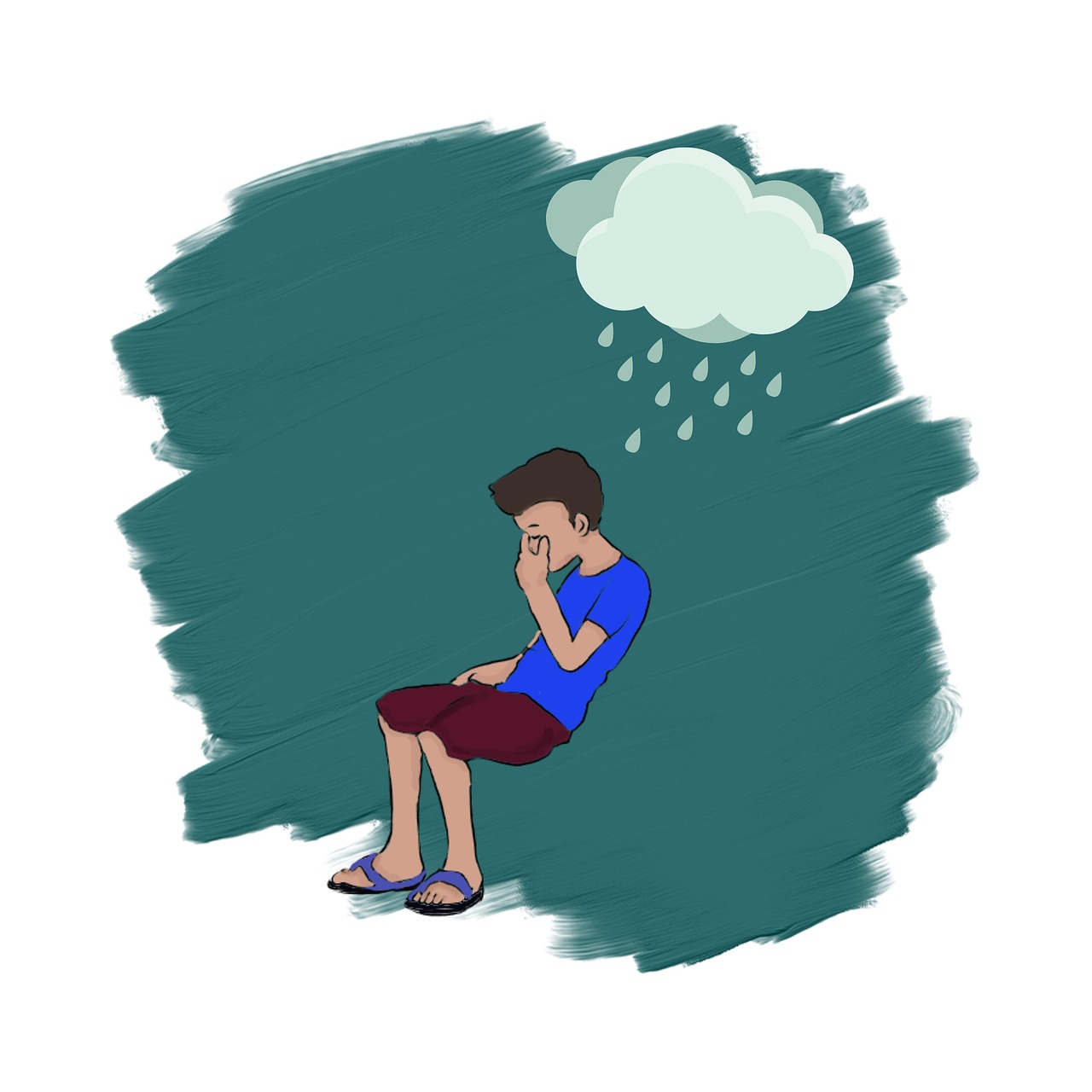

Cross-Cultural Perspectives on Child and Adolescent Mental Health
Mental health issues among children and adolescents are a global concern, but perceptions and responses to these issues can vary greatly across cultures. In many cultures, mental health challenges are often seen through the lens of social, familial, and spiritual contexts. Parents, educators, and community leaders may interpret signs of distress in children as manifestations of a broader cultural narrative. For example, certain cultures might believe that symptoms of anxiety or depression are due to spiritual imbalance rather than clinical conditions. This perspective can influence how families approach treatment and support, leading to either stigma or acceptance. Factors like stigma can significantly deter families from seeking help, as mental health issues may be labeled as personal or family failures. Important is understanding that cultural norms dictate the perceptions of mental health, which evolves over time. Moreover, these cultural narratives can affect access to mental health resources, complicating the diagnosis and treatment process for young individuals. Community support systems, education, and public attitudes towards mental health, therefore, become crucial in addressing the well-being of children and adolescents.
Understanding mental health through a cultural lens is essential to appreciate how it shapes the experiences of children and adolescents. Some cultures prioritize communal well-being, viewing individual mental health issues as collective concerns affecting entire families or communities. This communal approach can offer both support and pressure, as children may feel the weight of communal expectations. Tradition and spirituality can also play significant roles in these contexts, potentially guiding healing practices. For example, many Indigenous cultures utilize traditional healing methods and spiritual counseling as complements to modern therapy. Caregivers may seek local healers or shamans before or in conjunction with professional mental health services. Research indicates that combining such traditional practices with Western therapeutic strategies can yield positive outcomes for youth. Addressing cultural perceptions of child and adolescent mental health requires engagement with community stakeholders to inform developing interventions. Health care providers must communicate effectively by respecting cultural beliefs while emphasizing the significance of professional mental health care. Incorporating cultural narratives into mental health education can further benefit the therapeutic experience for children, encouraging more families to seek out appropriate support for their loved ones.
Cultural Stigma and Its Impact
Cultural stigma surrounding mental health can have detrimental effects on how children and adolescents are treated in various societal contexts. Many cultures still associate mental illness with shame, believing it indicates weakness or moral failing. As a result, families may be reluctant to acknowledge mental health issues in their children, fearing ostracization from their communities. This stigma can prevent early identification and treatment, exacerbating issues over time. Children struggling with depression, anxiety, or behavioral problems may feel isolated and invalidated. In cultures where emotional expression is discouraged, children may face additional challenges in articulating their struggles. The ramifications of stigma extend beyond individual families, affecting educational systems and participation in social activities, vital for developing healthy relationships. Teachers and school administrators must receive training to recognize signs of distress and be equipped to respond compassionately. Education and awareness efforts should aim to dispel myths surrounding mental illness and promote open dialogue. Engaging local leaders to advocate for mental health services helps destigmatize seeking help within the community. Thus, it is vital to create supportive environments for children and adolescents that encourage healthy conversations about mental health.
One major impact of cultural stigma is the hesitance to seek professional intervention until issues escalate dangerously. Families may initially turn to non-professionals for guidance, which can lead to ineffective or harmful coping mechanisms. Furthermore, when children do seek help, they may face professionals who lack cultural competence, rendering them unable to connect with their patients. It is essential for mental health practitioners to undergo cultural competence training to work effectively with diverse populations. They should strive to understand the cultural narratives influencing parent and child perspectives on mental health. Collaborative treatment plans that respect cultural beliefs while maintaining clinical efficacy can enhance the therapeutic relationship. Traditional healing practitioners can be integrated into the treatment process, creating a more holistic approach to mental health care. Building trust within communities is critical for improving access to services and encouraging families to seek help without fear of judgment. Innovative outreach programs, such as community workshops and school-based mental health education, can foster informed networks, combat stigma, and promote inclusive practices that acknowledge diverse cultural perspectives on mental wellness.
Role of Education in Mental Health Awareness
Education plays a pivotal role in shaping attitudes towards mental health among children and adolescents. Comprehensive mental health education programs in schools can foster awareness and understanding, helping students recognize their own emotional needs and those of their peers. Through age-appropriate discussions, students can gain knowledge about mental health issues, reducing stigma and encouraging positive dialogue. Early intervention education can also empower children to express their feelings, seek help, and support their friends. Such initiatives should encompass lessons on resilience, emotional regulation, and empathy, equipping students with essential life skills. Engaging parents and caregivers through workshops can further amplify the message of support, reinforcing the importance of mental health both at home and within the school community. Incorporating cultural perspectives into these educational programs is critical, allowing students to reflect on their identities while considering the shared humanity surrounding mental health struggles. School counselors must integrate evidence-based practices while embracing culturally relevant resources to ensure student engagement and inclusivity. In this way, educational environments become safer spaces for discussing emotional well-being, ultimately benefiting children’s mental health and well-being.
Furthermore, peer support networks within schools can also significantly influence the mental health landscape for children and adolescents. When students feel connected and supported by their peers, they are more likely to engage in positive coping strategies during difficult times. Initiating peer-led mental health groups fosters a sense of belonging and active involvement in promoting mental wellness. These programs can create safe spaces that encourage students to share experiences, develop coping skills, and seek help when needed. Furthermore, peer educators can play an essential role in providing relatable feedback and strategies to fellow students dealing with mental health issues. Involving youth in mental health advocacy efforts raises awareness about relevant cultural perceptions while giving them agency over their well-being. Collaborative alliances with mental health professionals can help create tailored resources that resonate with students across different cultural backgrounds. By prioritizing these initiatives, educational institutions can cultivate a school culture where mental well-being is openly discussed and normalized. Through dedication to mental health education and awareness, schools can be on the forefront of combating stigma, building resilience, and promoting holistic wellness among students.
Global Collaboration for Improved Outcomes
Global collaboration is critical in developing effective mental health strategies for children and adolescents across cultures. Professionals need to share research, tools, and best practices to tackle mental health issues effectively in diverse contexts. International organizations such as the World Health Organization (WHO) and UNICEF are pivotal in fostering such collaborations, emphasizing the need for culturally sensitive approaches that resonate with local communities. Their efforts underscore the importance of understanding cultural nuances in mental health treatment, which can vastly improve access to and acceptance of mental health services. Sharing successes and challenges among professionals from different backgrounds can provide valuable insight into what works across various cultural settings. Moreover, healthcare policies must reflect the inclusion of cultural perspectives in mental health discourse. Engaging diverse communities in discussions about their unique concerns fosters a sense of ownership over health initiatives. As global conversations about mental health progress, integrating culturally relevant practices into treatment guidelines is vital. Such measures not only improve patient outcomes but also help in reducing stigma, promoting mental health as a priority for children and adolescents worldwide.
In conclusion, cross-cultural perspectives on child and adolescent mental health reveal the complexity entwined with cultural context, stigma, and community support. Addressing mental health issues effectively necessitates understanding the interplay between the cultural norms that shape these experiences. Additionally, education and ongoing dialogue are instrumental in dismantling the stigma associated with mental illness, allowing children to seek help more comfortably. Educators, healthcare professionals, and families must collaborate to apply inclusive practices that honor varying perspectives while promoting psychological well-being. By creating environments conducive to open discussions about mental health, children and adolescents can thrive in communities that empower growth, resilience, and healing. Moreover, global cooperation offers the potential to unify efforts, addressing mental health challenges and supporting the needs of young populations worldwide. Therefore, fostering a holistic view on mental health that incorporates cultural narratives is necessary. By empowering individuals to share their stories and by utilizing diverse resources in mental care, we can create pathways for all children and adolescents to lead fulfilling lives. The future of mental health positively hinges on embracing diversity in perspectives and effective collaboration across cultures.