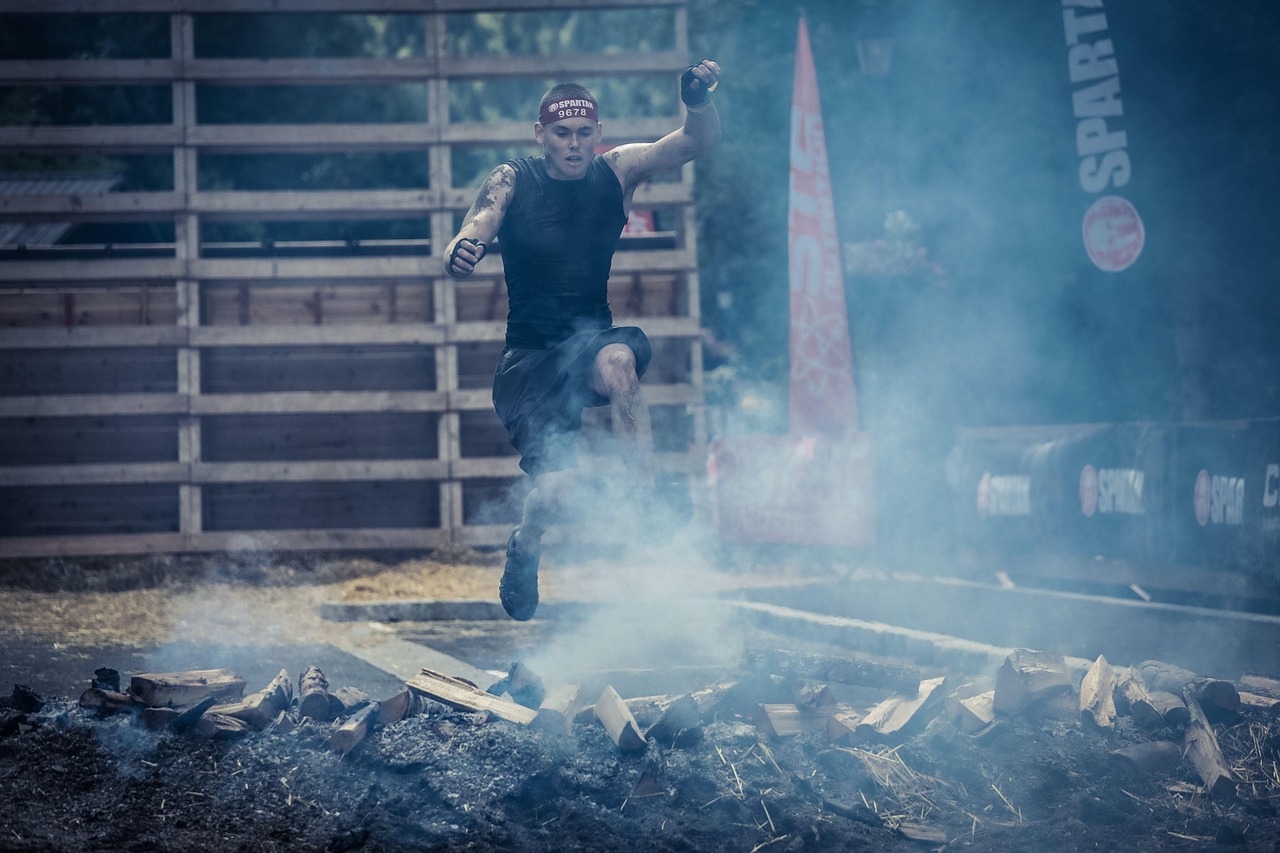

Youth Obstacle Course Racing: A Growing Trend in Fitness
In recent years, youth obstacle course racing has gained significant popularity among children and teenagers. This engaging fitness trend combines running, climbing, and overcoming various physical challenges, appealing to young people’s love for adventure. These courses are designed to encourage teamwork and build resilience while promoting fitness in a fun setting. Many organizations have recognized this opportunity and are organizing events that bring communities together. Schools and local clubs also participate by creating specialized programs designed to attract youth. Parents are increasingly supportive of this trend as it encourages their children to spend more time outdoors. In addition, youth obstacle racing helps develop an array of physical skills and fosters discipline. When participating, young individuals learn to set goals and work diligently towards achieving them, which adds an educational aspect to the activity. Furthermore, the social aspect of these events encourages friendships, teamwork, and confidence-building. Overall, the multi-faceted nature of youth obstacle course racing is an excellent addition to contemporary fitness trends for young people.
Along with traditional physical activities, this trend incorporates many elements that appeal to the lifestyle of today’s youth. Most importantly, obstacle courses are highly customizable, meaning they can be designed for various skill levels and physical abilities. This adaptability attracts a diverse group of participants, ensuring that everyone feels included and encouraged regardless of their starting point. Such initiatives can help break down barriers between different age groups, as younger and older youths often participate together, fostering a sense of community. It is not uncommon to see families participating in these events, thus promoting a healthy lifestyle across generations. Another crucial factor contributing to the growth of youth obstacle racing is the involvement of innovative technology. Many events now incorporate timing chips and offer live tracking for parents and spectators. Social media also plays a significant role in promoting these events, allowing participants to share their experiences and successes with their networks. The visual nature of obstacle course racing is perfect for sharing pictures and videos, further enticing other youths to join. As a result, these events are increasingly popular and serve to inspire a new generation of fitness enthusiasts.
The Benefits of Youth Obstacle Course Racing
Youth obstacle course racing offers numerous benefits beyond physical fitness. For instance, it encourages problem-solving abilities as children face various obstacles and challenges. Participants must think critically and navigate their way through these courses, fostering analytical skills that can be applied in other aspects of life. Additionally, participating in these races instills a sense of achievement. Overcoming challenges during a competition contributes to emotional resilience and builds confidence. Children learn to push their limits and realize the importance of perseverance in reaching their goals. Another significant aspect of this trend is its ability to foster social connections among participants. As they collaborate and cheer for one another, friendships often blossom, encouraging a sense of belonging. Youth obstacle courses can also be used to promote inclusivity, allowing children from different backgrounds to join in and experience camaraderie. Community involvement is essential, with local businesses and organizations often sponsoring events. This collaboration enhances the sense of support and motivation for youth and their families alike. Overall, the holistic advantages of obstacle course racing make it an appealing choice for youths in terms of physical, emotional, and social development.
Safety is paramount in any physical activity, and youth obstacle course racing is no exception. Many organizers ensure that safety measures are in place, such as proper equipment, trained staff, and clear guidelines. This focus on safety ensures all participants in various skill levels feel comfortable and secure, allowing them to push their limits while enjoying the experience. Frequent inspections of courses guarantee that obstacles are well-maintained and safe for use, further building participant confidence and trust in the organization. Additionally, introducing fitness education within these programs can significantly enhance safety awareness among participants. Teaching them about the importance of warming up, proper hydration, and recognizing their physical limits serves to create a holistic approach to physical fitness. Parents and guardians also play a crucial role in ensuring that their children are equipped with the knowledge needed for safe participation. By discussing expectations and providing encouragement, they foster an environment where youths feel empowered to take on challenges responsibly. Emphasizing safety through training and education reinforces the positive aspects of youth obstacle racing while minimizing the risks associated with physical activities.
Community Engagement Through Obstacle Courses
Community engagement is vital to the success of youth obstacle course racing. Many events partner with local organizations, schools, and fitness centers to create a sense of unity and collaboration. These partnerships enable communities to rally around a common goal, promoting health and wellness for all. Events can focus on fundraising for local causes, with portions of registration fees going to support community programs or charities. This practice not only encourages participation but also instills a sense of pride and ownership in participants, knowing their involvement contributes to something greater. Further, community-driven initiatives can include training camps leading up to races, allowing youth to build relationships through shared experiences and teamwork. Many communities offer training opportunities led by local athletes, promoting positive role models for young people. In addition, competition can take various forms, from friendly races to more-organized events, which could cater to different skill levels. This flexibility ensures a broad target audience and encourages ongoing participation. Ultimately, the collaboration among community members is key in growing youth obstacle course racing’s impact and transforming it into a cornerstone of youth fitness trends.
As youth obstacle course racing continues to gain traction, it has also prompted an emerging market of related products and services. Companies are recognizing the demand for specialized gear, customized training programs, and even nutrition plans tailored for young participants. This trend opens up new opportunities for businesses to develop products focusing on the specific needs of youthful athletes. Furthermore, there has been a notable increase in youth-oriented fitness apps to facilitate training and provide motivation through gamification. These apps allow youths to track their progress, access personalized workouts, and connect with others participating in similar events. Social media platforms provide valuable networking opportunities for young participants, enabling them to share successes and encourage one another. Influencers in the fitness space are supporting this movement, promoting positivity and the benefits of obstacle racing among their audiences. Parents increasingly seek guidance on suitable products to support their children’s obstacle racing journey, creating opportunities for brands to tailor their marketing strategies. Overall, this growing market reflects an increased awareness of fitness for youth and the significant role obstacle racing plays in shaping their interests and hobbies.
Looking Ahead: The Future of Youth Obstacle Course Racing
Looking to the future, youth obstacle course racing shows no signs of fading away. With continuous innovations in course design, technology integration, and community involvement, it is set to maintain its appeal to young people. As more schools and organizations adopt this trend, young participants will find themselves increasingly exposed to fitness opportunities. Integrating these events into school curriculums will further solidify their place in youth culture, making fitness not just fun but also educational. The flexibility of obstacle course racing allows for constant adaptation to meet the evolving preferences of youths. As trends emerge, organizers will likely incorporate new challenges, creative themes, and varying structures to keep participants engaged. The rise of urban obstacle racing events adds an exciting dimension to traditional formats while honing skills. Overall, initiatives promoting inclusivity and teamwork will help shape the future of the youth fitness industry. As long as communities, parents, and organizers continue to invest in this trend, its impact on the lives of future generations will be significant. Ultimately, youth obstacle course racing is poised to influence fitness for years to come.