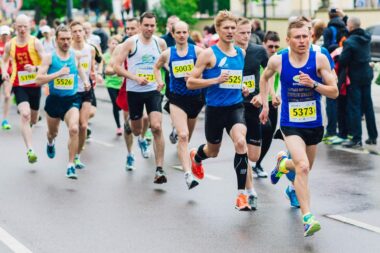

The Science Behind Speed and Agility: What Group Fitness Instructors Need to Know
Understanding speed and agility training is essential for group fitness instructors aiming to enhance their clients’ performance. Speed refers to the ability to move quickly across the ground, while agility is the capability to change direction rapidly. Both elements are crucial for athletes in various sports and can greatly impact overall physical fitness. Instructors should prioritize creating programs that effectively focus on these traits. Effective training relies on a combination of physical techniques, biomechanical efficiency, and mental awareness. Instructors should ensure that participants maintain proper form during drills to avoid injury and maximize effectiveness. By integrating speed and agility exercises into fitness classes, instructors can build endurance, coordination, and quick reflexes among participants. Typical drills include ladder drills, cone sprints, and shuttle runs. These activities will engage various muscle groups, enabling better results. Additionally, incorporating resistance training may improve explosive movements, essential for enhancing speed. Consequently, group fitness instructors must adapt training plans according to individual skill levels, ensuring that all participants can benefit from tailored exercises while maintaining engagement throughout sessions.
Biomechanics and Performance Enhancement
Biomechanics plays a crucial role in effectively designing speed and agility training programs. Instructors should understand how muscles work together to facilitate quick movements and directional changes. Focusing on biomechanics allows trainers to develop exercises targeting specific muscle groups, enhancing athletic performance while minimizing potential injuries. Fundamental movements involved in speed and agility training include sprinting, jumping, and lateral movements. Sprint mechanics require proper posture, arm swing, and leg action, while agility heavily depends on footwork and body control. To optimize performance, instructors can break down complex movements and teach participants the underlying principles. Form drills are essential in reinforcing these concepts, emphasizing technique over speed initially. As participants progress, they can gradually increase intensity to improve speed and agility. Cognitive aspects should also be considered; incorporating reaction-based games can stimulate mental agility. These exercises enhance decision-making and enhance the ability to quicken movements under pressure. By applying this comprehensive understanding of biomechanics and performance enhancement, instructors can significantly impact their clients’ fitness journeys while fostering an engaging group environment.
Nutrition plays a vital role in supporting speed and agility training efforts. For optimal performance, instructors must educate clients on the importance of a balanced diet, emphasizing macronutrients and their impact on energy levels. Carbohydrates serve as the body’s main energy source, providing fuel for intense workouts. Proteins are crucial for muscle recovery and growth, while healthy fats support overall health and hormone production. Scheduling meals appropriately can help maintain consistent energy levels throughout training sessions. Clients should consume a carbohydrate-rich meal approximately two to three hours before workouts to ensure maximum energy. Well-timed post-workout nutrition is crucial for recovery, making protein and carbohydrates an effective combination to minimize muscle soreness. Staying hydrated is equally important, as dehydration can negatively affect speed, balance, and coordination. Instructors should encourage clients to drink water throughout the day and consider electrolyte supplements during intense training. By providing guidance on nutrition, group fitness instructors can empower clients to enhance their performance on their journey to improved speed and agility.
Setting Goals and Mechanisms for Accountability
Setting measurable goals is essential for maintaining motivation among participants in speed and agility training sessions. Goals not only provide direction but also aid in tracking improvements over time, leading to increased satisfaction and engagement. Group fitness instructors can collaborate with clients to identify specific short-term and long-term goals based on their individual needs. For example, short-term goals may involve mastering a particular drill, while long-term goals could include improved overall performance or competitiveness in sports. Instructors can use various methods to monitor progress, including fitness assessments, performance benchmarks, and regular feedback sessions. Establishing accountability mechanisms can further enhance commitment; pairing participants as workout buddies or using group challenges fosters motivation and camaraderie. Additionally, instructors can utilize technology, such as fitness trackers and apps, to track performance metrics and encourage friendly competition. Celebrating achievements, both big and small, helps maintain enthusiasm and boosts self-esteem. With a structured goal-setting process and effective accountability, group fitness instructors can inspire participants to strive towards their speed and agility aspirations.
Integrating specific speed and agility drills into fitness classes encourages engagement while enhancing skill development. Traditional exercises like sprints, lateral cone shuffles, and agility ladder routines serve as foundational activities focusing on core elements of performance enhancement. These drills facilitate coordination and strengthen the muscles necessary for quick, explosive movements. It’s essential to vary drills regularly, challenging participants and keeping sessions fresh and exciting. Set up circuit training stations that alternate between strength training and speed/agility exercises to diversify workouts and maintain participant interest. Incorporating fun elements like relay races or obstacle courses creates a dynamic atmosphere, further enhancing camaraderie among participants. Progressive overload should be part of each session; increasing intensity and complexity over time keeps participants striving for self-improvement and drives results. Additionally, introducing music can boost motivation and create an energizing environment. Group fitness instructors can use various training formats, from small group sessions to larger classes, engaging clients of all fitness levels. Adapting drills to suit individual capabilities ensures everyone benefits from the program while fostering a spirited, supportive culture.
The Importance of Recovery in Training
Recovery is often overlooked in speed and agility training. Instructors must stress its significance to participants, as adequate recovery allows the body to rebuild, adapt, and grow stronger. Failing to prioritize recovery may result in overtraining, fatigue, and increased injury risks, ultimately hindering performance gains. Introducing active recovery days into training programs encourages gentle movement and promotes muscle healing. This may include activities such as yoga, swimming, or light jogging, which keep participants engaged while relaxing their bodies. Additionally, focusing on stretching and mobility work post-training fosters flexibility, reducing muscle tightness and enhancing overall function. Instructors should educate clients on the importance of sleep, highlighting how restorative rest impacts athletic performance and recovery capabilities. Encouraging proper sleep hygiene practices can lead to improved energy levels and cognitive function during workouts. Furthermore, nutrition and hydration play roles in recovery; consuming adequate protein and carbohydrates post-exercise helps repair muscles and replenish energy stores. Overall, a well-rounded approach to recovery ensures that participants can continue progressing towards their speed and agility goals without injury risks.
In conclusion, group fitness instructors play a pivotal role in the development of speed and agility among their participants. By understanding the science behind these training elements, instructors can create well-rounded, effective programs tailored to their clients’ needs. Emphasizing biomechanics, nutrition, goal-setting, accountability, diverse drills, and recovery creates a comprehensive approach, maximizing the benefits participants receive from training. It is essential that instructors maintain flexibility and adaptability in their teaching methods, remaining responsive to the evolving needs of their group. Fostering an inclusive atmosphere will build trust and encourage participants to step beyond their comfort zones, enhancing their performance while cultivating a supportive environment. Educating participants about the roles of speed and agility in overall athletic prowess can motivate clients to embrace these training concepts as fundamental components of their fitness routines. In the process, instructors contribute not only to skill development but also foster a sense of accomplishment and confidence among participants. As clients achieve their goals, instructors will find fulfillment in making a positive impact on their community, ultimately promoting a healthier lifestyle for all.