
Safe Squat Techniques for All Skill Levels
Weightlifting safety is crucial for all athletes, especially when performing squats. To maintain a safe training environment, understanding key safety guidelines is essential. Start with a proper warm-up; this helps prepare muscles for the load they will carry. Moreover, selecting the right shoe type is vital. Shoes should provide enough support and grip to enhance stability. Another critical safety aspect involves using lifts and squat racks correctly. These tools are designed to assist weightlifters in performing squats without risking injury. Be sure to make adjustments according to your height and reach, ensuring the bar is at an appropriate level. Never attempt lifting without a spotter or safety equipment. A spotter can intervene in case of an unforeseen issue, preventing severe injuries. Always remember the importance of maintaining form during squats. Incorrect posture can lead to significant injuries over time. Focusing on core engagement and proper alignment is vital. Emphasizing these techniques helps to reduce unnecessary strain on the back and legs. Lastly, ensure adequate recovery between workouts to avoid overexertion and fatigue. By committing to these practices, weightlifters can enjoy a safer squatting experience.
Many common mistakes can lead to injury during squats, making awareness paramount. One prevalent issue occurs when weightlifters squat deeply without adequate flexibility. Not everyone can perform deep squats safely; be sure to assess your flexibility levels. If you cannot maintain proper form while squatting deeply, limit your squat depth until flexibility improves. Additionally, avoid excessive weight, particularly if you lack experience or are fatigued. Continuing to lift heavy while training can lead to overtraining injuries. Instead, focus on gradually increasing the weight you lift. This progressive overload technique builds strength and minimizes injury risk effectively. Another error involves allowing knees to cave inward during the squat. This can cause harm to the joints over time, so aim to maintain the knees aligned with toes. Consider strength training exercises to improve thigh and hip stability, as this helps prevent the knee collapse. Alongside that, invest in flexibility routines to enhance range of motion and joint health. Remember to prioritize your health first and foremost; an injury could sideline you for weeks or months. A proper approach to squatting will benefit your weightlifting journey in the long run.
Proper Squatting Techniques
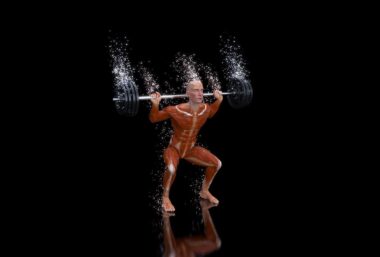
Along with effective warm-ups, developing proper squatting techniques is essential. Begin squatting with your feet shoulder-width apart, as this provides a solid base. Distributing weight evenly across your feet ensures better myofascial engagement. Focus on lowering your body by bending at your hips and knees, ensuring proper alignment. Your back should remain straight, not rounded, to reduce the risk of injury. Keeping your head up and gazing forward helps maintain a neutral spine throughout the squat. During the squat down movement, keep your weight on your heels, which aids stability and balance. Aim for the thighs to remain parallel to the floor at the lowest point of the squat. If mobility is an issue, consider using a stability ball against a wall to practice your form. As you progress, the ball can be removed. Moreover, refrain from staying in a static position for extended periods as it may lead to fatigue. Learning to engage and release your core will enhance stability throughout the cycle. Consistently dedicating time to these practices reduces injury risk while also improving performance. Progress toward your goals safely with these techniques!
Incorporating breathing techniques into your squatting routine is just as critical as mastering form. Proper breathing stabilizes your core, allowing for a safer and more effective lift. Before beginning your squat, inhale deeply through your nose, allowing your abdomen to expand. As you descend into the squat, maintain this breath; it supports your core structure. Upon reaching the bottom of the squat, exhale forcefully through your mouth as you press through your heels to stand. This technique prevents excessive abdominal pressure and enhances performance. Finding your breath rhythm is essential, especially during heavy lifts. Additionally, consider your mental state while performing squats. Being mentally aware of your body positioning ensures proper alignment and concentration throughout every repetition. Mindfulness in weightlifting improves physical awareness and reduces the risk of injury. Moreover, do not hesitate to use mirrors in the gym to visualize your form during squats. A quick look can help ensure alignment and adjust posture as needed. Frequent practice, both physically and mentally, is the key to mastering the squat safely. This adaptability will ensure longevity in your weightlifting endeavors and enhance overall stability.
Using Safety Equipment
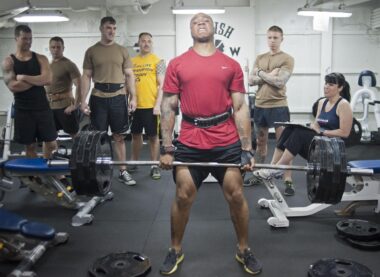
Safety equipment plays an important role in minimizing the risk of injury during squats. The most important tool for beginners is the squat rack, designed to catch weights if unable to complete the lift. Properly height-adjusted squat racks can prevent accidents and injuries during lifts. Be sure to familiarize yourself with how to use a squat rack correctly to reap its benefits. Additionally, investing in safety collars for your weight plates is a smart choice. These collars keep plates secured on the bar during squats, preventing potential accidents if a weight shifts or slips off. Furthermore, consider using a lifting belt, which can offer support for your lower back during heavier lifts. A lifting belt helps stabilize the core and distributes weight evenly. Remember that using equipment wisely means realizing when to rely on it and when to push your limits. Training under supervision or seeking guidance can enhance your technique with safety equipment. Combining these tools with effective technique and awareness creates a solid foundational approach to weightlifting. Your training practices will improve as you embrace safety equipment, ensuring a better weightlifting experience overall.
Recovering properly after your squatting sessions is paramount for both safety and performance. Post-workout recovery methods play an important role in preventing injuries and enhancing muscle growth. Stretching and foam rolling should be incorporated into your routine to relieve muscle tightness and improve flexibility. Focus on areas like the quadriceps, hamstrings, and glutes to promote recovery. Moreover, consider nutritional support by consuming protein and carbohydrates post-workout. This helps muscles recover efficiently and rebuild after intense training sessions. Staying hydrated throughout your training is also essential, as dehydration can hinder performance and lead to injury. Aim for adequate hydration before, during, and after workouts to maintain optimal body function. In addition to physical recovery methods, prioritize mental relaxation. Engaging in activities that help you unwind and relax is equally crucial. Consider practices like meditation or yoga for holistic recovery. By fully embracing recovery techniques, your body will adapt to your training regimen effectively, allowing for improved performance and injury prevention. Ultimately, always prioritize your well-being on this journey. With the right recovery practices and a mindful approach, you’ll see consistent improvement in your squatting capabilities over time.
Conclusion
In conclusion, mastering safe squat techniques is vital for weightlifting enthusiasts at all skill levels. Adhering to safety guidelines empowers weightlifters to enjoy their training and enhance overall experience. Always focus on proper form, warm-ups, breathing techniques, and recovery practices. This comprehensive approach not only helps in developing strength but also promises to minimize injury risk. Remember to use proper safety equipment, as this contributes significantly to safer training environments. Gradually building skill, flexibility, and core strength will ultimately lead to longer-lasting success in weightlifting. Staying mindful of body mechanics and the importance of mental focus during squats cannot be understated. By embracing these safe practices, weightlifters create a solid foundation for their fitness journeys. Experimenting with various techniques will help discover what works best for individual needs and preferences. With perseverance and good technique, remarkable progress can be achieved without the fear of injury. Finally, always encourage others in your community to prioritize safety while weightlifting. This collective understanding of safety will foster a supportive environment for all individuals within the community. Together, we can create a culture based on the importance of safety in weightlifting.
In conclusion, mastering safe squat techniques is vital for weightlifting enthusiasts at all skill levels. Adhering to safety guidelines empowers weightlifters to enjoy their training and enhance overall experience. Always focus on proper form, warm-ups, breathing techniques, and recovery practices. This comprehensive approach not only helps in developing strength but also promises to minimize injury risk. Remember to use proper safety equipment, as this contributes significantly to safer training environments. Gradually building skill, flexibility, and core strength will ultimately lead to longer-lasting success in weightlifting. Staying mindful of body mechanics and the importance of mental focus during squats cannot be understated. By embracing these safe practices, weightlifters create a solid foundation for their fitness journeys. Experimenting with various techniques will help discover what works best for individual needs and preferences. With perseverance and good technique, remarkable progress can be achieved without the fear of injury. Finally, always encourage others in your community to prioritize safety while weightlifting. This collective understanding of safety will foster a supportive environment for all individuals within the community. Together, we can create a culture based on the importance of safety in weightlifting.