
Iaido vs Kendo: Comparing Japanese Sword Arts
Japanese martial arts showcase a rich tradition of swordsmanship, with two prominent yet distinct disciplines being Iaido and Kendo. Both arts emphasize skill and discipline, but cater to different practices and philosophies. Iaido focuses on the calm and precise drawing of the sword, with movements designed to respond to sudden attacks. Its practitioners engage in solo forms known as kata, which help develop focus and fluidity. In contrast, Kendo involves an athletic battle between two opponents wielding bamboo swords, known as shinai, with protective gear. Due to the competitive nature of Kendo, practitioners constantly enhance their footwork and speed, emphasizing physical fitness. The core philosophies differ significantly; while Iaido embraces mindfulness and internal discipline, Kendo promotes camaraderie and spirited competition. Thus, the choice between them often hinges on personal preference and individual goals in martial arts training.
Exploring the origins of Iaido, it stems from ancient samurai practices designed to respond efficiently to surprise attacks. Characterized by swift and decisive strikes, Iaido teaches practitioners how to smoothly draw and cut with a katana. The effectiveness lies in the mental focus developed during solo kata training, allowing practitioners to embody grace and precision. The kata of Iaido emphasize movements that feel almost choreographed, displaying the beauty of traditional swordsmanship. On the other hand, Kendo evolved from Kenjutsu, the more combative sword techniques used by samurai, and transformed into a modern sport. This transition included the introduction of gear, allowing safe sparring between competitors. Kendo’s focus on competitive spirit fosters community and teamwork, as practitioners engage in matches that develop both skill and sportsmanship. Each art offers unique experiences; thus, practitioners may choose Iaido for tranquility or Kendo for dynamic physical activity. The journey through these disciplines offers personal growth amid the rich cultural heritage of Japan.
Training Methods and Techniques
A crucial aspect of both Iaido and Kendo is their distinct training methodologies. In Iaido, practitioners devote their time to perfecting each kata, focusing on elements like body posture and blade angle. These kata provide a framework for individual practice that encourages a profound understanding of the sword’s mechanics. Iaido practitioners often train with a real sword or a substitute known as an iaito, allowing for safe practice without the risk of injury. Conversely, Kendo emphasizes sparring alongside kata practice, developing agility and strategic thinking in combat scenarios. The use of protective gear in Kendo promotes a spirit of friendly competition, enabling practitioners to engage with one another directly. This interactive aspect of training hones reflexes and adaptability. Moreover, Kendo practitioners continually learn how to approach various combat scenarios effectively. In Iaido, mastery involves introspection and self-exploration, whereas in Kendo, mastery often comes through overcoming opponents. Both approaches cultivate unique skills, ensuring practitioners gain diverse martial abilities.
The philosophy that shapes both Iaido and Kendo is another area of comparison. In Iaido, the journey lies in personal growth, often drawing upon Zen principles that emphasize mindfulness and concentration. Practitioners learn to engage in tranquility and poise amid simulated conflict. Consequently, Iaido becomes a meditative practice, allowing individuals to reflect on their thoughts and emotions during execution. Kendo, in contrast, thrives on the idea of community. It emphasizes victory through teamwork and collaboration, which fosters sportsmanship and camaraderie. Matches are not solely about defeating opponents, but about mutual respect and learning from each encounter. The philosophy embraces both self-improvement and collective progress. Self-discipline plays an essential role in both arts, but resonates differently; Iaido channels internal focus, while Kendo invites outward interactions. The underlying philosophies guide practitioners in their training journey, shaping their approach and engagement with others in the martial arts community.
Equipment and Attire Differences
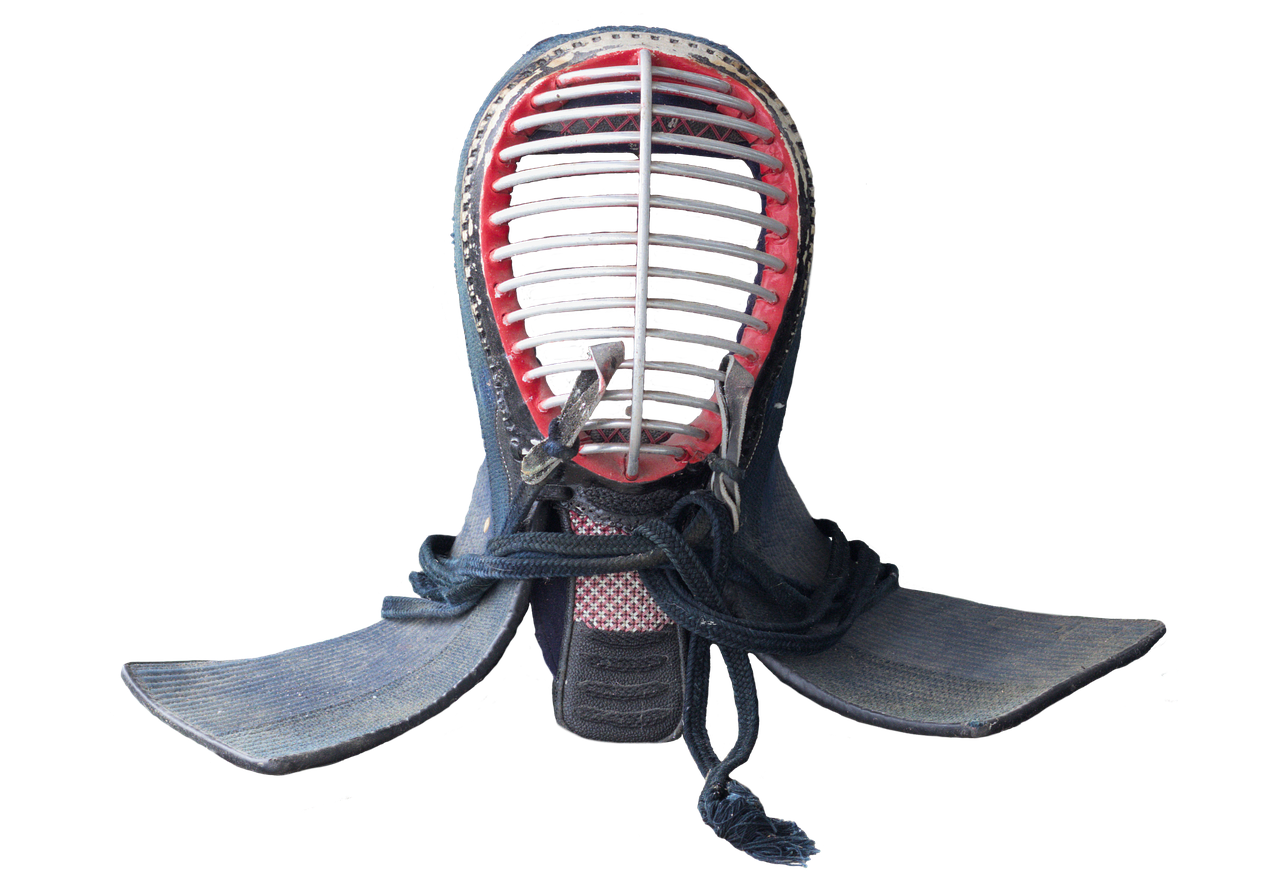
Equipment distinctions between Iaido and Kendo highlight their unique training practices and philosophies. Iaido practitioners typically use an iaito or a real katana during practice to familiarize themselves with the weight and feel of a sword. The iaito, a practice sword, assists in mastering proper techniques without the risk of severe injuries. In contrast, Kendo practitioners utilize shinai, a bamboo sword designed for combat training. The shinai is lightweight, enabling swift movements and safety during sparring. Additionally, Kendo practitioners don protective gear, including men (head protection), do (chest armor), and kote (gloves), ensuring safety during intense matches. This gear symbolizes the spirited nature of competition and the teamwork involved in the sport. While Iaido focuses on form and technique through solo practices, Kendo gear reflects its competitive essence. The attire worn in both disciplines serves to represent tradition and honor; in Iaido, practitioners wear hakama and keikogi, while Kendo requires a specific outfit often involving a unique hakama design. These differences reinforce the distinct identities of each martial art.
Another significant distinction between Iaido and Kendo lies in their competitive aspects. Kendo is recognized internationally as a sport featuring structured competitions and rankings, making it appealing for individuals seeking a more competitive environment. Practitioners often participate in local tournaments, where they showcase their skills while adhering to strict rules and guidelines. This competitive structure fosters excitement and personal growth, encouraging participants to push their limits. Iaido, however, typically lacks a formal competitive component, focusing on personal excellence and technique mastery. Instead, Iaido practitioners may participate in demonstrations or exhibitions, emphasizing skill rather than competition. Competitions work differently for Iaido, where the focus is on displaying form and execution in kata rather than competing against others directly. This preference for self-interpretation highlights the individual journey that Iaido embodies. Ultimately, the choice between the two may depend on whether individuals are inclined towards competition and community or favor a more introspective practice.
Conclusion: Choosing Your Path
As one contemplates the choice between Iaido and Kendo, personal goals and interests are essential factors in determining the suitable path. Practitioners should reflect on whether they prefer the meditative focus of Iaido or the social dynamics of Kendo. Both arts offer rich cultural experiences grounded in centuries-old traditions. Embracing either discipline can lead to an enriched understanding of Japanese cultural history and martial values. Practitioners discovering Iaido may find a deep personal connection and a sanctuary for inner peace, while Kendo enthusiasts might flourish in a community that celebrates mutual respect and collaboration. Ultimately, the decision rests on aligning one’s intentions with the nature of the art form. Exploring both may even provide complementary benefits, deepening the overall martial practice experience. In conclusion, the vast landscape of Japanese sword arts presents enriching journeys towards mastery involving skill, discipline, and personal reflections, regardless of the chosen discipline.