Gender-Based Variations in Basal Metabolic Rate and Body Composition
Understanding body composition analysis encompasses an examination of various factors, including gender differences in basal metabolic rate (BMR). BMR is the number of calories required to keep your body functioning while at rest. Studies reveal men tend to have a higher BMR compared to women. This disparity can be attributed to differences in muscle mass, hormones, and fat distribution. Males typically possess a greater percentage of muscle than females, thus resulting in a higher caloric expenditure at rest. Muscle is more metabolically active than fat, which significantly affects energy requirements. Female hormones, such as estrogen, can influence fat storage patterns and metabolism, leading to variations in body fat percentage between genders. Understanding these distinctions can provide insights into tailored fitness and nutrition programs, fostering better health outcomes for both genders. Moreover, lifestyle factors such as physical activity and nutrition also play a major role in BMR. Many people often overlook the need to account for these variances when creating health strategies, emphasizing the importance of personalized assessments in body composition analyses.
Gender-based variations extend beyond BMR to include overall body composition. Scientific evidence demonstrates that women generally have a higher body fat percentage compared to men. This is essential for reproductive functions and hormonal balance in females. Body fat distribution also differs; men usually deposit fat around their abdomen, leading to an apple-shaped body, while women often have a pear-shaped silhouette with fat concentrated in the hips and thighs. This can affect various health outcomes and risks associated with obesity. Certain fat distributions can predispose individuals to conditions such as cardiovascular disease or diabetes. Additionally, age can alter these body composition dynamics. As both men and women age, the tendency to gain fat and lose muscle increases, complicating health and fitness efforts. Therefore, it is crucial to recognize that these differences necessitate distinct approaches to training and nutrition. Programs that account for gender-based variations can help individuals achieve more effective and sustainable results. Adequate knowledge concerning body composition analysis and its impacts can lead to enhanced health recommendations, further tailoring interventions for both males and females.
The Role of Muscle Mass in Gender Differences
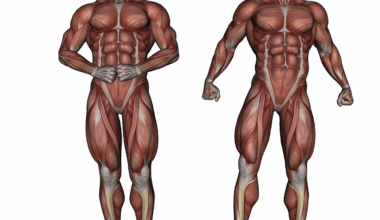
Muscle mass plays a notable role in determining body composition differences between genders. Since muscle is metabolically active, those with greater muscle mass generally have higher metabolic rates. Typically, men have more muscle mass due to testosterone, an androgen that promotes muscle development. Consequently, when assessing caloric needs and weight management, understanding muscle mass is crucial. While women have less overall muscle mass, their bodies are structured to accommodate vital functions, leading to varying compositions. Women require a certain amount of body fat for reproductive health, while men benefit from lower fat percentages in many cases. Additionally, variations in muscle distribution influence physical performance and strength. Males often excel in activities requiring sheer strength, while females may have advantages in endurance-based sports. As fitness goals vary, understanding how muscle mass interacts with BMR allows for the development of personalized fitness programs. In summary, embracing the nuances of these gender differences highlights the importance of considering individual biological factors when creating effective fitness strategies that cater to both men and women.
Hormonal differences also contribute to variations in body composition analysis between genders. Hormones such as estrogen and testosterone significantly influence fat distribution and metabolism. In females, estrogen promotes the accumulation of fat in the hips and thighs, often protecting against certain metabolic disorders. Whereas, testosterone, which is typically higher in males, aids in muscle building and results in lower fat percentages. These hormonal effects can lead to a distinct metabolism, which shapes dietary needs and exercise routines. For instance, women might find traditional high-intensity interval training (HIIT) beneficial for weight loss but still require sufficient dietary fat to sustain hormonal balance. In contrast, men can typically respond well to varying caloric deficits while maintaining muscle. A comprehensive understanding of hormonal impacts aids in recognizing that fitness and health strategies cannot be one-size-fits-all; they must consider these physiological differences. Health professionals are encouraged to tailor guidelines based on these individualized hormonal differences, offering gender-specific suggestions for nutrition, exercise, and overall wellness initiatives.
Impact of Lifestyle Factors
Lifestyle factors profoundly influence body composition, particularly in light of gender-based differences. Factors such as physical activity levels, dietary habits, and stress management tend to vary between men and women. Typically, men may engage in higher levels of strength training, which enhances muscle growth, while women often focus more on cardiovascular activities. This influences the development of muscle and body fat percentages. Nutritional choices also diverge, with men opting for higher caloric intakes and protein-dense foods, whereas women may prioritize lower-calorie diets. Furthermore, societal pressures can impact self-image and mental well-being, leading to disordered eating and exercise habits. Stress can be both a significant factor in shaping body composition and a catalyst for hormonal changes that influence weight gain or loss. Understanding these lifestyle factors is vital for effective body composition assessments and interventions. By recognizing the unique ways men and women experience lifestyle influences, health professionals can devise more effective plans that encourage healthier behaviors while promoting positive body image and overall well-being for both genders.
As we age, both men and women experience changes in body composition that warrant focused attention. Typically, with aging comes a natural decline in muscle mass, known as sarcopenia, which affects both genders but may present differently. Men might lose muscle at a faster rate, while women tend to retain muscle but accumulate more fat as hormonal levels shift post-menopause. These changes can lead to an increased risk of frailty, falls, and other health complications. Consequently, designing effective exercise programs becomes paramount, promoting strength training to counteract muscle loss and enhance functional movement regardless of gender. Additionally, nutritional strategies can support muscle retention such as increasing protein intake and ensuring adequate hydration for all ages. Acknowledging these shifts emphasizes the importance of adopting tailored strategies over standard approaches for health and fitness, particularly for aging populations. This ensures both men and women can navigate these transitions effectively, maintaining balance in body composition and promoting overall health as they navigate the aging process. Ultimately, adapting to these changes proactively can lead to improved quality of life and longevity.
Conclusion: Emphasizing Personalized Approaches
In summary, gender differences in body composition and basal metabolic rate warrant a thoughtful approach to health and fitness. Recognizing variations in muscle mass, hormonal influences, lifestyle habits, and aging impacts is crucial in developing effective programs tailored to individual needs. Emphasizing personalized fitness and nutrition strategies ensures both men and women can achieve their health goals. Ultimately, it’s important for health professionals and individuals alike to consider these distinctions to enable better outcomes. Future research should focus on expanding our understanding of gender-specific responses to training and nutrition, promoting further refinement of interventions. By remaining attuned to the nuances that differentiate men and women in terms of body composition, we can foster healthier communities while celebrating the unique biological attributes of each gender. The work of advancing knowledge in gender differences should continue to evolve, informing better practices and leading to innovative strategies that address the varying needs present in body composition analysis. Progress is achievable, ensuring balanced approaches resonate effectively with both genders in pursuit of optimal health and wellness.
Understanding body composition analysis encompasses an examination of various factors, including gender differences in basal metabolic rate (BMR). BMR is the number of calories required to keep your body functioning while at rest. Studies reveal men tend to have a higher BMR compared to women. This disparity can be attributed to differences in muscle mass, hormones, and fat distribution. Males typically possess a greater percentage of muscle than females, thus resulting in a higher caloric expenditure at rest. Muscle is more metabolically active than fat, which significantly affects energy requirements. Female hormones, such as estrogen, can influence fat storage patterns and metabolism, leading to variations in body fat percentage between genders. Understanding these distinctions can provide insights into tailored fitness and nutrition programs, fostering better health outcomes for both genders. Moreover, lifestyle factors such as physical activity and nutrition also play a major role in BMR. Many people often overlook the need to account for these variances when creating health strategies, emphasizing the importance of personalized assessments in body composition analyses.