
Tracking Progress to Stay Motivated in Functional Fitness
When it comes to functional fitness, staying motivated is essential. One of the most effective ways to maintain motivation is by tracking your progress. Keeping a detailed record allows you to see how far you’ve come, which can be incredibly rewarding. Start by identifying your specific goals in functional fitness, whether it’s improving strength, endurance, or mobility. Then, use a fitness app or a simple journal to log your workouts, noting your achievements and any improvements to your performance. This process not only provides a visual confirmation of your hard work but also serves to highlight areas where you may need to focus more. Additionally, seeing tangible results can enhance your self-esteem and commitment to your fitness journey. It’s crucial to celebrate small victories along the way to stay engaged and excited about reaching your goals. You might consider sharing your progress with a fitness community or connecting with friends who can encourage you throughout your journey. Overall, tracking your progress is a powerful tool to maintain motivation in functional fitness and can make a significant difference in your results.
Another beneficial aspect of tracking your progress is the ability to set specific milestones. These milestones can help keep you accountable while providing a sense of purpose. For functional fitness, you may want to break down your bigger goals into smaller, achievable targets that can be evaluated regularly. For instance, if your primary goal is to perform a certain number of push-ups, you can initially aim for five push-ups and gradually increase that number. Additionally, consider using SMART criteria for setting these goals: Specific, Measurable, Achievable, Relevant, and Time-bound. Tracking daily or weekly improvements toward these milestones offers invaluable feedback on your commitment and adaptation to training. Moreover, it fosters a proactive mindset, allowing you to adjust your regimen as needed to align with your progress. When you hit a milestone, make sure to reward yourself! This could be treating yourself to new workout gear or a special outing. Those rewards motivate you and reinforce positive behavior, making it more likely that you’ll stick to your functional fitness routine in the long run.
Incorporating Feedback Through Assessments
Incorporating assessments into your fitness routine allows you to gather feedback on your overall performance. You can administrate these assessments biweekly or monthly to ensure that developments are tracked accurately. Functional fitness focuses on real-world movements and activities, so consider incorporating functional assessments like balance tests, flexibility exercises, or endurance trials. Documenting these assessments helps indicate whether your training methods are effective or if adjustments need to be made. You might find that specific exercises yield better results or that certain exercises need more attention due to lagging performance. Additionally, comparison over time can illustrate trends in your performance. This data-driven approach can be highly motivating—you’ll clearly see the results of your effort as your assessments improve. In this manner, feedback not only serves as motivation but offers insights that can make your functional fitness training more tailored, appealing, and effective. Engaging with fitness professionals for further assessment can provide an additional level of guidance that can be invaluable as you strive to meet your goals.
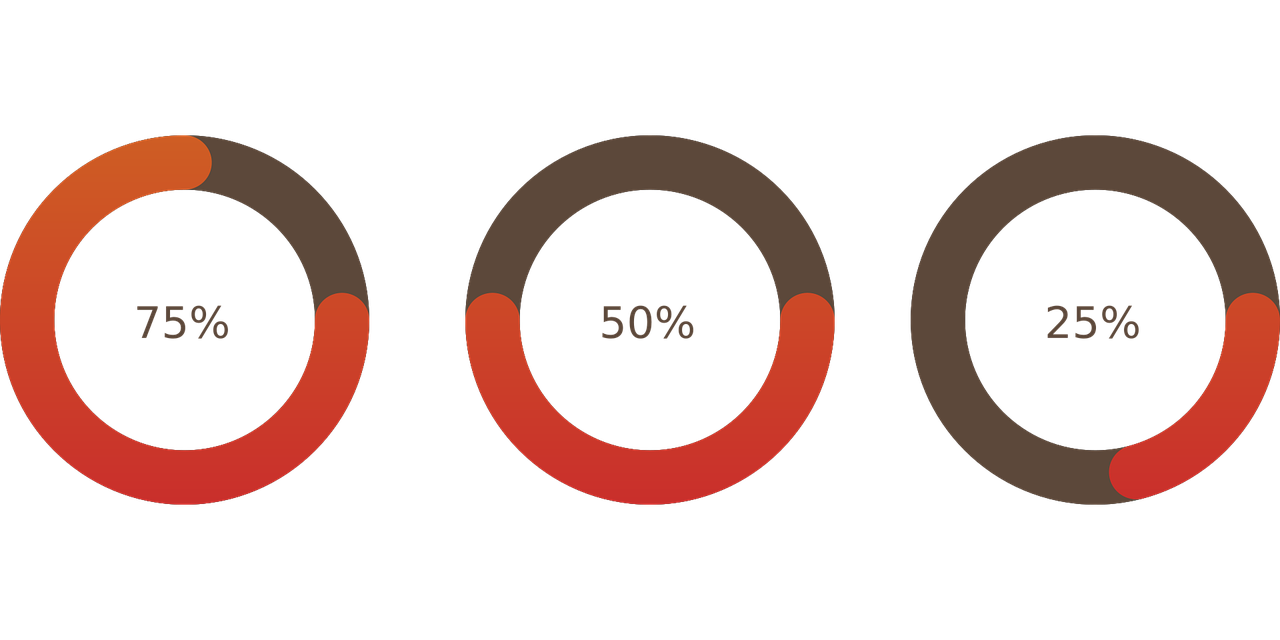
Visual aids can be another motivating factor in tracking your progress. Creating visual representations of your progress, like charts or graphs, can help make your achievements more tangible. You might use a monthly chart where you log the number of repetitions for various exercises, highlighting improvements with vibrant colors to showcase your progress. Utilizing photos can be another vital form of tracking; taking pictures at regular intervals (such as every month) can illustrate physical changes not always highlighted by numbers alone. These visuals can enhance motivation since you will likely feel proud of visible changes in strength, tone, or overall fitness levels. Furthermore, they can serve as reminders of your efforts and persistence when facing challenges. Consider incorporating these visual tracking methods into your fitness journal, providing a comprehensive view of your journey in functional fitness. You may also want to share these images within fitness communities on social media platforms to inspire others and build a support network that celebrates achievements collectively.
Engaging in Variety and Making Adjustments
To keep motivation high in functional fitness, incorporating variety into your routine is essential. Routines can become stale if you’re doing the same exercises repeatedly. By mixing up your workouts, you keep your body guessing and engaged, which can significantly enhance your progress. Consider trying new fitness classes, outdoor activities, or different modalities, such as yoga or strength training. Monitoring your performance in various workouts allows you to see what resonates with your fitness goals. Perhaps you find that high-intensity interval training (HIIT) works better for your endurance levels than steady-state cardio. By tracking your progress in various domains, you can better personalize your training. It’s also important to listen to your body. If you notice certain workouts leave you fatigued, consider re-evaluating your training volume. Making adjustments based on your logged progress keeps training relevant and effective, thus sustaining your motivation. The adaptability of your training plan can make a significant difference in how you feel about your progress in functional fitness.
Finding a workout buddy can also enhance your motivation while tracking progress. Training with someone else adds an element of accountability and camaraderie to workout sessions. You can support each other in achieving individual goals, whether you’re pushing through endurance workouts or working on strength challenges. Log your workouts together, sharing accomplishments and encouraging improvements. The social interaction can foster a positive attitude toward fitness while making the tracking process even more enjoyable. You might even set shared goals that allow you both to strive for milestones together. Friendly competition can be a catalyst for improvement, as it often pushes you to work harder than you might when training alone. Celebrating achievements with your partner reinforces both your motivation and the bond you share. Finding someone with similar goals may lead to enhanced performance across the board, benefiting both of your fitness journeys. Additionally, you can join local workout groups or fitness communities online that share similar interests, reinforcing your commitment and progress tracking in functional fitness, providing a well-rounded and supportive experience.
Maintaining a Positive Mindset Throughout
Finally, it’s essential to maintain a positive mindset throughout your fitness journey. Changing perspectives significantly impacts your attitude toward tracking progress. Instead of viewing workouts and assessments as daunting tasks, consider them opportunities for growth and empowerment. Reflecting on your achievements, no matter how small, can provide motivation and reinforce your commitment. Reading motivational quotes, engaging in mindfulness practices, and nurturing a supportive environment can elevate your spirits during challenges. Developing positive self-talk can also create a more enjoyable experience while nurturing mental resilience. When setbacks arise, remind yourself of your reasons for pursuing functional fitness and the progress you’ve already made. Maintaining a positive outlook will not only help you stay motivated but can significantly improve your overall performance and enjoyment of fitness. Consider visualizing your success by imagining the achievement of your goals—a powerful technique that can help keep you engaged and focused. Surrounding yourself with positive influences can further strengthen your determination to pursue functional fitness effectively, creating a fulfilling journey worth celebrating and sharing.
In conclusion, tracking progress in functional fitness offers numerous benefits that can significantly enhance motivation. By setting specific milestones, engaging in assessments, utilizing visual aids, incorporating variety, finding workout buddies, and maintaining a positive mindset, you can create a solid foundation to achieve your goals. This multifaceted approach allows you to stay engaged, accountable, and inspired throughout your fitness journey. Remember, every small victory counts toward your overarching success, making it crucial to celebrate those achievements and reflect upon your progress regularly. Your commitment to tracking your functional fitness regimen can ignite the passion for health and wellness you seek. Embrace every challenge as an opportunity for growth, and let tracking progress illuminate your path to well-being. By integrating these motivational tactics into your routine, you’ll not only bolster your progress but also cultivate the discipline needed to sustain your efforts in functional fitness in the long term. Let your journey inspire others, showing them that tracking progress can create a rewarding and fulfilling functional fitness experience. With determination and consistency, the possibilities for improvement are limitless.