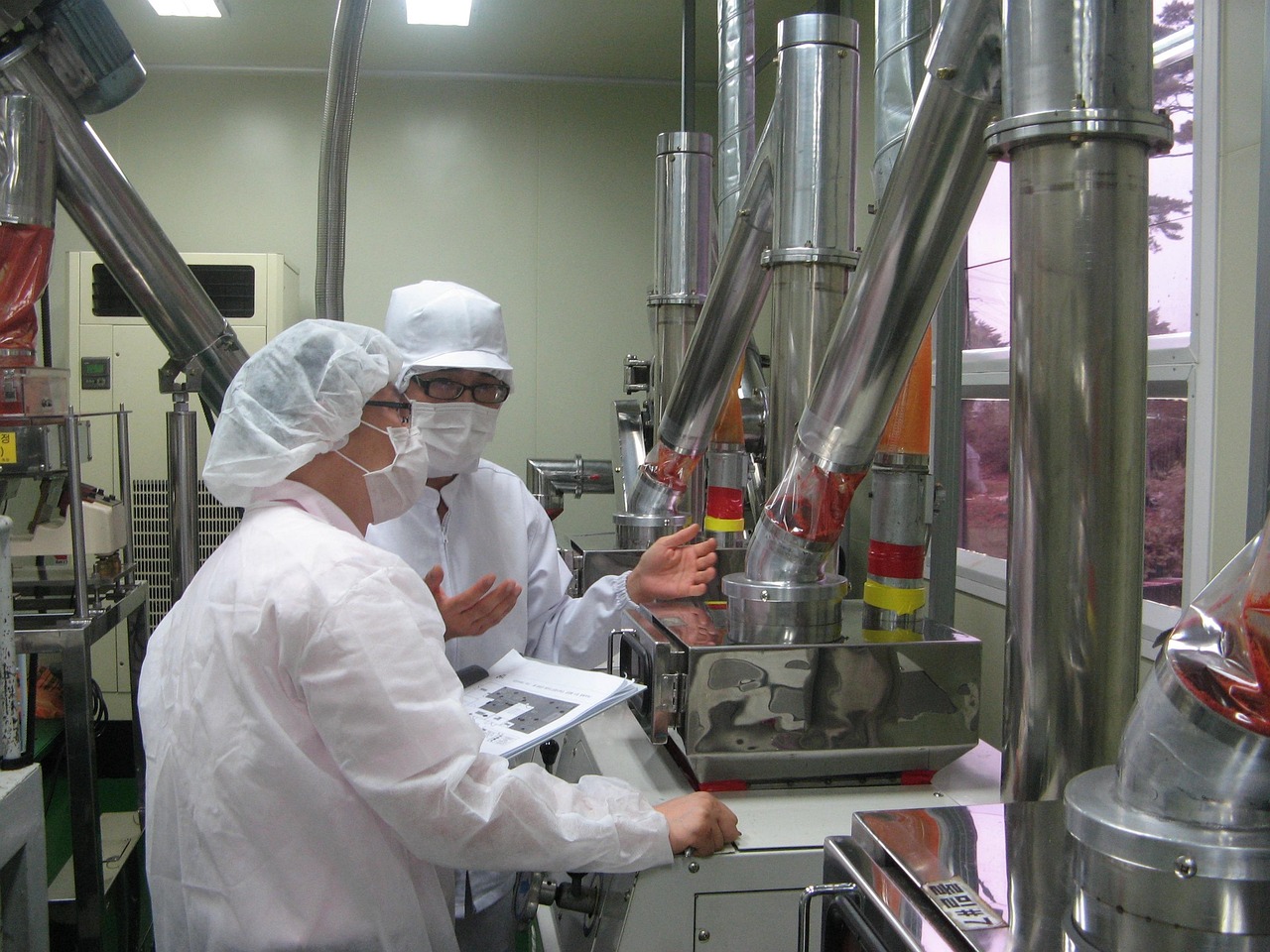

The Impact of Processed Foods on Injury Susceptibility
Processed foods are prevalent in modern diets, often packed with additives and preservatives that can negatively impact health. Such foods typically lack the essential nutrients required for optimal recovery and performance. The consumption of processed foods is linked to an increased risk of injury, particularly among athletes. This correlation is primarily due to the inflammatory response triggered by unhealthy ingredients. When athletes sustain injuries, their bodies require high-quality nutrition for recovery. Foods high in sugar, refined carbohydrates, and unhealthy fats can prolong inflammation. Therefore, addressing diet is crucial for health and injury recovery. A focus on whole, unprocessed foods increases antioxidant levels and promotes healing. Nutrients like omega-3 fatty acids are vital for reducing inflammation. Including fruits, vegetables, whole grains, and lean proteins can enhance overall health. The advice to consume minimally processed options holds particularly true for active individuals seeking to prevent injuries. Coaches and trainers should emphasize the significance of nutrition education. Teaching athletes to make informed choices can lead to improved performance and reduced injury risk. Remember, a well-balanced diet supports not just recovery, but also overall athletic capability.
Understanding the components that contribute to a nutritious diet is essential. Processed foods often include high levels of sodium and unhealthy fats. These ingredients can divert the body’s focus away from recovery and lead to a compromise in performance. A diet high in processed foods can also contribute to obesity and further health complications, enhancing susceptibility to injuries. In contrast, a diet rich in whole foods provides the building blocks for muscle repair and growth. Additionally, vitamins and minerals play a critical role in this process. Vitamin C, for instance, is essential for collagen synthesis. Foods like citrus, berries, and leafy greens must be incorporated into the diet. The minerals magnesium and zinc also help in muscle recovery and repair processes. Athletes should prioritize their dietary habits, replacing processed options with whole foods. A well-balanced diet, consisting of various nutrients, promotes better energy levels and overall performance. By making these changes, individuals can improve their resilience against injuries significantly. Therefore, understanding what fuels your body is crucial for long-term athletic success. Nutrition shouldn’t be an afterthought but rather a priority for anyone looking to enhance performance.
The scientific community recognizes the relation between nutrition and injury risk. Processed foods can disrupt the balance of gut microbiota, which plays a fundamental role in immune function. A compromised immune system can lead to a higher chance of musculoskeletal injuries, particularly in individuals undergoing rigorous physical activities. Moreover, the high sugar content found in many processed foods can exacerbate inflammation. This cycle can affect an athlete’s recovery time, delaying their return to training. Whole foods, on the other hand, are known to enhance immune health and lower the risks associated with gut-related issues. Incorporating anti-inflammatory foods such as turmeric, fatty fish, and nuts can change this narrative considerably. The shift in dietary focus from processed to whole foods supports both physical and mental health. Athletes should also consider hydration as part of their recovery process, ensuring that they are consuming adequate fluids alongside nutritious meals. Staying hydrated aids in nutrient absorption, which is vital during the healing process. Therefore, addressing diet holistically—considering what one eats and drinks—may significantly influence an athlete’s vulnerability to injuries over time. More informed dietary decisions lead to enduring athletic success.
Role of Nutrients in Injury Prevention
Not all foods are created equal when it comes to injury prevention. The inclusion of specific nutrients can make a considerable difference in maintaining an athlete’s overall health. Nutrients such as proteins are integral for muscle repair. When athletes consume proteins from whole food sources, they provide their bodies the necessary tools for recovery after injury. It’s advisable to prioritize lean meats, legumes, and fish, which serve as excellent protein sources. Additionally, antioxidants from fruits and vegetables reduce oxidative stress that can increase injury susceptibility. Antioxidants protect the body from cellular damage caused by free radicals during intense physical activity. Consuming a variety of colorful produce can ensure a broad range of these beneficial compounds. Intaking carbohydrates from real food, such as sweet potatoes and brown rice, can restore glycogen levels after workouts and enhance overall energy. Nutrition can thus directly impact performance, dictating how well an athlete recovers. Incorporating adequate amounts of healthy fats is also beneficial. Sources like avocados and olive oil can provide necessary energy for workouts and boost nutrient absorption. Balancing all these aspects leads to optimal health and reduced likelihood of injury.
Understanding the timing of nutrition is just as critical as the quality and type of food consumed. Eating the right foods at the right times can significantly affect recovery and injury prevention. For instance, consuming a combination of protein and carbohydrates shortly after workouts can help refuel and repair muscles. This post-workout meal should ideally include whole, nutritious ingredients rather than processed options. Nutrient timing can also dictate energy levels during training sessions, affecting overall performance. Athletes who neglect proper nutrition timing may find themselves struggling to maintain their fitness levels. Sleep, coupled with good nutrition, aids recovery, enhancing the body’s ability to bounce back from exertion. Individuals must establish solid meal patterns that support both training and recovery. By planning meals around their training schedule, athletes can optimize their results. Moreover, maintaining consistent hydration throughout the day, especially before, during, and after physical activity is vital. When athletes are adequately hydrated, they can reduce muscle cramping and fatigue. Therefore, being mindful of both nutrient quality and timing plays a pivotal role in injury prevention and recovery. This strategy can ultimately extend an athlete’s career by keeping them healthy.
Cultural and Emotional Aspects of Food Choices
Food is often tied to cultural practices and emotional connections, which can impact dietary choices. Processed foods are typically more accessible and marketed aggressively, leading individuals away from healthier options. This ease of access can have significant consequences on an individual’s long-term health. Many may form habitual preferences for substances that offer immediate gratification rather than engaging in mindful eating. Consciously choosing nutrient-dense foods requires education and effort. Furthermore, emotional factors can influence eating habits, with processed foods often serving as comfort food. This can be particularly detrimental to athletes who need to prioritize nutrition. Emotional eating may lead to poor food choices that exacerbate susceptibility to injuries and hinder recovery efforts. Understanding these emotional and psychological dimensions can facilitate better decision-making around food. Strategies such as meal planning can help combat reliance on processed options. By preparing meals ahead of time, individuals can create a healthier eating environment. Engaging with food positively may also shift perspectives on nourishment. Building supportive communities around healthy eating can instill values that resonate far above mere survival. Ultimately, combining culture, emotions, and nutrition leads to better health and performance outcomes.
Lastly, addressing the educational aspect of nutrition is crucial. Many athletes might not fully understand the profound influence their diet has on injury prevention. Coaches and trainers play a vital role in providing accurate nutrition information. Workshops and seminars focusing on sports nutrition can educate athletes about the importance of whole foods. Understanding how specific nutrients contribute to injury recovery fosters a proactive approach to health. This knowledge empowers athletes to take charge of their food choices, promoting a culture of wellness. Schools and sports programs should also include nutrition education in their curriculums, ensuring future athletes are well-informed. Access to resources such as meal plans, recipe books, and nutritional guidelines can further enhance athletes’ understanding. With the right knowledge, athletes can better avoid processed foods that hinder performance. Emphasizing a balanced diet containing sufficient vitamins and minerals helps maintain peak physical condition. Additionally, fostering community engagement around nutrition can create sustainable change. Partnering with dieticians and nutritionists allows athletes to receive tailored advice. As awareness continues to grow, the understanding of how to nurture the body through diet will revolutionize injury prevention practices.