
The Essential Nutrition Guide for Dance Fitness Enthusiasts
Understanding the right nutrition is crucial for dance fitness enthusiasts. Proper fueling of the body can significantly enhance performance and recovery. For dancers, balancing macronutrients is key. Carbohydrates are the body’s primary energy source. Foods like whole grains, fruits, and vegetables provide sustained energy. Proteins are essential for muscle repair and growth. Incorporate lean meats, fish, legumes, and dairy into your meals. Healthy fats, like nuts, seeds, and avocados, support hormone production and overall health. Hydration also plays a vital role; it is important to drink plenty of water before, during, and after practice. Complex carbs are preferable over processed sugars. They supply longer-lasting energy, essential for endurance. Additionally, consider meal timing. Eating a nutrient-rich meal or snack about 1-2 hours before your practice can help you perform at your peak. After sessions, refueling with both protein and carbs aids recovery, helping muscles heal and rebuild. Balancing these elements can lead to improved energy, reduced fatigue, and enhanced performance. Always remember to listen to your body and adjust your nutrition according to your personal needs and dance workouts.
The Role of Hydration in Dance Fitness
Hydration affects overall performance and energy levels while practicing dance fitness. Dancers frequently sweat, which can lead to dehydration if fluids are not replaced. Even mild dehydration can impair performance, making it essential to maintain proper fluid levels. Water should be your go-to beverage, but electrolytes are also vital for extensive training sessions. Include drinks that replenish lost minerals, especially if you are sweating heavily. A general recommendation is to drink at least 2-3 liters of water daily, but this can vary based on individual needs or climate conditions. Monitor your hydration by checking the color of your urine; pale yellow signifies good hydration. During long dance workouts, consider taking small sips of water every 15-20 minutes to keep yourself hydrated. Furthermore, in addition to water, hydration-rich foods like cucumber, watermelon, oranges, and strawberries will substitute some of your liquid intake. Remember to hydrate before starting your practice, as being adequately hydrated beforehand can enhance performance. Post-practice hydration is equally important to help recovery processes. Maintaining hydration throughout will support your energy levels and overall well-being on your dance fitness journey.
Understanding macro and micronutrients is vital for dance fitness enthusiasts. While macronutrients include carbohydrates, proteins, and fats, micronutrients refer to essential vitamins and minerals the body needs. These nutrients work synergistically to enhance energy production and recovery. Dancers often focus on macronutrients, but micronutrients are crucial too; deficiencies can lead to fatigue and weaken the immune system. Calcium and vitamin D are essential for bone health, while B vitamins support energy metabolism. Iron is also vital for oxygen transport, preventing fatigue during intense dance sessions. Incorporate a variety of colorful fruits and vegetables into your meals to ensure an adequate intake of vitamins and minerals. Foods like leafy greens, berries, and bell peppers are rich in antioxidants that can combat oxidative stress during rigorous training. Think of whole foods rather than processed options; they tend to be more nutrient-dense. Supplements can be beneficial but should not replace a well-rounded diet. Always consult a healthcare provider before starting any new supplement regimen. Tracking your meals using an app can also help you maintain proper nutrient balance, ensuring your body receives everything it needs for enhanced performance.
Meal Timing and Frequency
Meal timing plays a strategic role in enhancing performance for dance fitness participants. Consuming smaller, frequent meals throughout the day can help maintain energy levels, preventing energy lows that potentially hinder practice or performance. Aim for three main meals with healthy snacks in between. Timing meals around your dance workouts is crucial. Pre-workout snacks should consist of easily digestible carbohydrates, like bananas or oatmeal, providing quick energy. Aim to consume this snack about 30-60 minutes before dancing. Post-workout nutrition is just as important; aim to eat a meal rich in both protein and carbohydrates within 30-60 minutes after practice. This nutrition window is crucial for muscle recovery and glycogen replenishment. A classic post-workout meal could include a protein shake paired with a piece of fruit. Planning meals for the week in advance can help ensure that you meet your nutritional goals. Keep easy snacks on hand, such as yogurt, nuts, or energy bars, to prevent tempted to reach for unhealthy options. Remember, maintaining a schedule with consistent meal timings supports your body’s natural hunger patterns, optimizing your dance fitness performance.
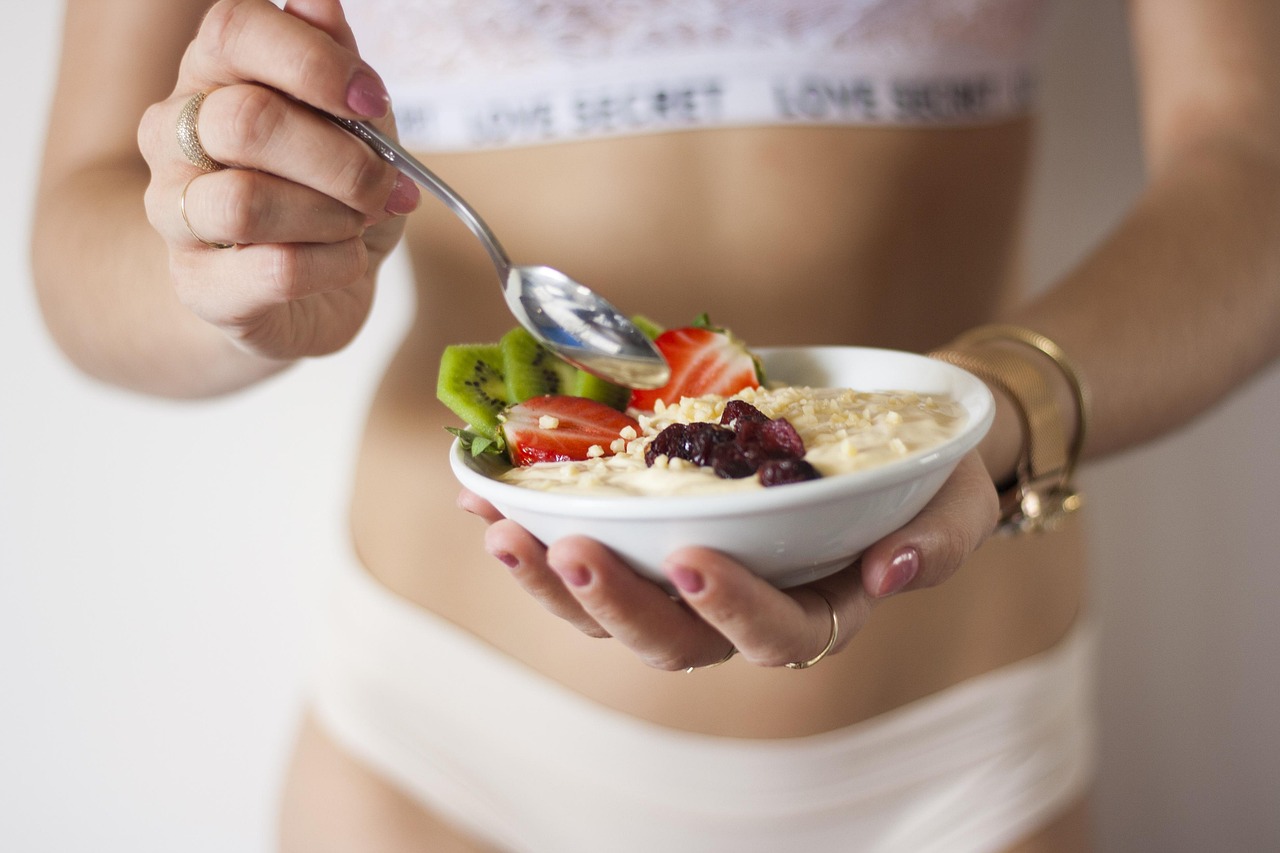
Choosing the right snacks can optimize performance for dance fitness enthusiasts. Healthy snacks play a vital role in maintaining energy levels throughout the day. Selecting nutrient-dense snack options can be beneficial, providing the correct fuel for your body. Consider munching on Greek yogurt with fresh fruit, as it combines protein and carbohydrates to keep you going. Similarly, trail mix containing nuts and dried fruits can provide a quick energy source and healthy fats. Another excellent option is whole-grain crackers with hummus, offering fiber and protein essential for sustained energy. Avoid snacks high in sugar, as they might cause energy crashes. Always aim to choose whole foods that are minimally processed. Being prepared with snacks on hand can deter those moments of hunger when you’re on the go. A little planning ahead can go a long way; pack snacks in advance for long rehearsal days or performances. Moreover, listening to your body’s needs when choosing snacks is essential. If you’re feeling hungry, opt for nutritious choices to fuel your body adequately. With the right snack options, you’ll maintain high energy levels and perform your best during dance fitness activities.
Meal Ideas for Dance Fitness
Creating balanced meals can enhance performance among dance fitness enthusiasts significantly. A well-rounded plate consists of lean proteins, quality carbohydrates, and healthy fats. For breakfast, consider oatmeal topped with fresh fruits and nuts, generating energy to start your day. For lunch, a whole-grain wrap filled with grilled chicken, mixed greens, and avocado can offer a hearty and satisfying meal. Dinner can include baked salmon, quinoa, and steamed vegetables, which provides the necessary nutrients for recovery. Plant-based meal options can be equally satisfying, such as a chickpea salad filled with colorful vegetables, providing ample protein and fiber. Simple soups, such as lentil or vegetable, can make for great meals that are easy to digest pre-workout. Meal prepping can ensure you’re always prepared, making it easier to stick to your nutrition plan. Including a variety of meals offers more excitement to your daily intake, promoting better adherence to healthy eating habits. Lastly, aim to incorporate seasonal fruits and vegetables to keep your meals fresh and nutritious. This variety guarantees that you are getting an array of nutrients, supporting performance and optimal energy levels throughout your dance fitness journey.
Maintaining a positive mindset about nutrition is vital for dance fitness enthusiasts. Staying motivated to eat healthily can sometimes be a challenge, yet it’s key to your success. Embrace the idea that food is fuel, positively impacting your energy levels and performance. Finding enjoyment in cooking can help build better habits; explore new recipes and experiment with different ingredients. Involving friends or family in your meals can make the process fun, making it easier to stick to your nutritional goals together. Remember that perfection is not the goal; aiming to make better food choices consistently will yield remarkable results over time. Whenever challenges arise, it’s essential to practice self-compassion and not be too hard on yourself. Recognize that occasional indulgences are normal and part of a well-rounded approach to nutrition. Create a supportive environment where healthy foods are easily accessible, and temptations are minimized. Consider setting realistic and specific nutrition goals to keep you accountable. Tracking your progress can provide motivation to continue your healthy eating journey. By developing a healthy relationship with food, you will ultimately enhance your dance fitness experience and overall well-being.