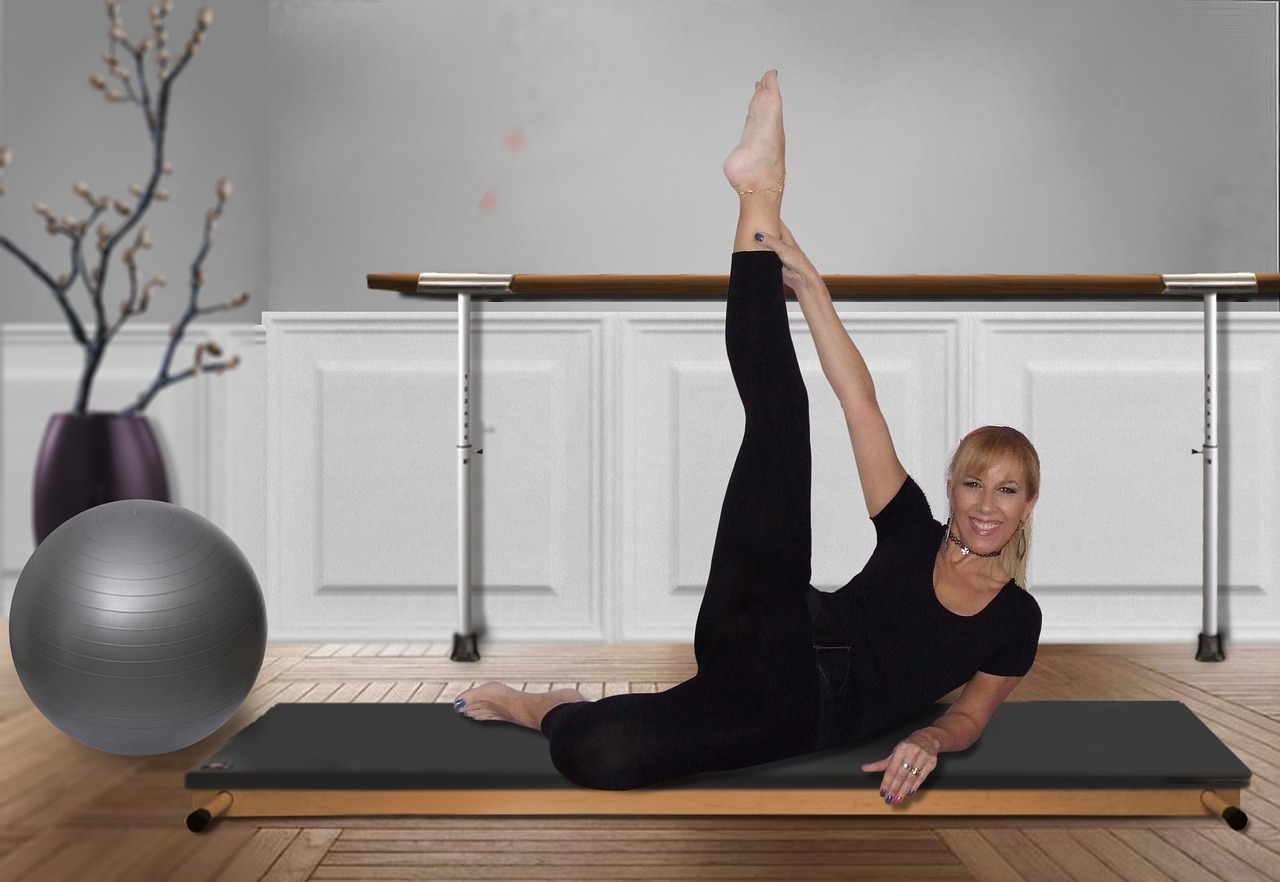

Pilates Stretching Routines Overview
Pilates stretching routines are valuable tools for supporting endurance training recovery. Incorporating these exercises can enhance flexibility, promote relaxation, and alleviate muscle tension. As endurance athletes, we must prioritize recovery to prevent injuries and maintain peak performance. Stretching post-workout helps restore muscle elasticity while also fostering a sense of well-being. In contrast with traditional stretching, Pilates integrates breath control and core stability into the movements, maximizing benefits. This practice emphasizes a mind-body connection, which is essential in fostering an effective recovery process. Many athletes overlook the importance of flexibility when building endurance, focusing instead on strength and stamina. However, incorporating Pilates stretching can bring a balance to your training regimen. Routine Pilates stretches can be tailored to address specific muscle groups engaged during endurance activities, such as running or cycling. It is crucial to understand how these stretches align with your overall training strategy and maximize your recovery process. Implementing Pilates into your routine may provide the edge needed to achieve personal bests and improve overall performance.
The benefits of Pilates stretching extend beyond just physical attributes. This practice enhances mental clarity, reduces stress, and helps prevent burnout. When endurance athletes engage their mind through focused movements, they establish a deeper awareness of their bodies and how they respond to different physical demands. By establishing a connection between the mind and body, athletes can better analyze their weaknesses and work to strengthen them effectively. Because Pilates emphasizes postural alignment, stretching can improve your overall body awareness, leading to better performance during endurance activities. Moreover, Pilates encourages optimal body mechanics that can translate into safer techniques and minimize risk during competitions. These aspects are especially important for athletes training for prolonged activities. Regularly including Pilates routines tailored for endurance recovery leads to long-term benefits. It fosters an environment for growth, improvement, and rejuvenation. Above all, Pilates promotes a holistic approach to training, addressing both physical and emotional needs of athletes as they pursue their endurance goals. Ultimately, prioritizing this mindful practice enables athletes to develop routines that suffice both immediate recovery needs and future performance aspirations.
Essential Pilates Stretches for Endurance Recovery
Some key Pilates stretches can significantly enhance recovery from endurance training. These include the Swan, Child’s Pose, and the Spine Stretch. The Swan stretch is particularly effective for opening up the chest while gently stretching the back. Perform this by lying on your stomach, placing your hands under your shoulders, and pushing through them as you lift your chest off the mat. Child’s Pose is also critical, providing a restful position that extends the lower back while promoting relaxation. This position can soothe aches and sorrows after a long training session. The Spine Stretch focuses on flexibility through the vertebrae, releasing tension and aligning the spine properly. Implementing these key stretches into your routine can create a dynamic and effective recovery process. Additionally, you can integrate various modifications of these stretches depending on your comfort level and needs. Exploring different variations is essential, as it allows you to discover the stretches that work most effectively for you. By embracing these Pilates stretches, you can cultivate a routine that significantly enhances your recovery process.
In addition to specific stretches, incorporating proper breathing techniques into your Pilates routines amplifies recovery effects. Breath control in Pilates plays a crucial role in helping athletes maximize the benefits of each stretch. Focusing on deep inhalations and controlled exhalations allows muscles to relax and elongate. This can intensify the effects of your stretching routines, facilitating recovery through improved oxygen circulation in your body. Engaging your core while breathing enables a more stable platform for deeper stretches and enhances overall muscle engagement. To maximize the benefits, coordinate your breath with your movements throughout each exercise, fostering a deeper connection with your body. As endurance athletes, prioritizing breathwork cultivates energy awareness which is essential in optimizing endurance performance. Establishing a consistent breathing rhythm can also be a psychological resource during challenging training sessions. Understanding how breath influences movement not only enriches your Pilates experience but positions you for success in endurance activities. By committing to these breathing practices within your Pilates recovery plan, you create a conducive environment for regeneration and rejuvenation.
Creating Your Pilates Stretching Routine
Designing a Pilates stretching routine tailored to your endurance training requires thoughtful consideration of your individual needs. Start by identifying the muscle groups most affected by your endurance activities. Focus on incorporating stretches that target these areas, ensuring a comprehensive approach to flexibility and recovery. Aim for a routine that includes at least three to five key stretches. Allocate adequate time to hold each stretch for 20-30 seconds, promoting muscle elongation and preventing tightness. Additionally, consider the sequencing of your stretches, as this can influence the overall effectiveness. Start with more intense stretches and finish with gentler, restorative poses like Child’s Pose. This flow can enhance your recovery feeling and provide a satisfying conclusion to your routine. It is also important to listen to your body and modify the intensity based on your limits. Maintaining a journal can be an excellent way to track progress and adjust your routine accordingly. By prioritizing this process, you not only aid your recovery but contribute to your overall endurance performance.
Consistency is essential when practicing Pilates stretching for endurance recovery. To maximize the benefits, establish a regular schedule for your stretching routine, ideally incorporating it daily or at least three to four times a week. Over time, you will notice tangible improvements in your flexibility and overall recovery process. Besides direct stretching, consider combining Pilates with other recovery methods such as foam rolling or massages. These techniques, when merged with Pilates routines, can provide an optimal recovery cocktail that ensures a well-rounded approach. It is important to keep in mind that recovery is a journey, and results may vary based on individual commitment and adherence to routine practices. By allowing your body the time and resources to heal and restore, you are investing in better endurance performance. Often, it is the dedication to routine recovery practices that separates successful athletes from the pack. Remember to be patient with yourself, as enhancing flexibility takes time. Adapting your routine in response to your training will promote continual improvement and success.
Final Thoughts on Pilates for Endurance Recovery
Pilates stretching routines should not be overlooked as vital components of endurance training recovery plans. The benefits extend beyond flexibility, improving both physical performance and mental well-being. By incorporating these routines, you improve your recovery while enhancing your overall training approach. Adopting a holistic mindset fosters continuous improvement in both performance and enjoyment of your endurance activities. Make Pilates a staple in your wellness practices, celebrating the joy of movement through mindful stretches. Always seek to explore new variations and adjust your routines based on your progress. Keeping your routine fresh can maintain engagement and motivation throughout your training. Whether you are a beginner or an experienced athlete, committing to Pilates can enhance your resilience while helping address various muscle needs. Cultivating the mind-body connection through Pilates ultimately elevates recovery experience and overall performance. With proper dedication and approach, you can harness the restorative power of Pilates stretching to improve not only your endurance training but also embrace a fulfilling fitness journey.
Cultivating a consistent Pilates routine will lead to long-term success as an endurance athlete. By establishing a connection between mental focus and physical recovery, you equip yourself for achieving personal bests. Ensure each session provides a well-rounded approach where you actively listen to your body’s needs. This tailored approach to recovery embodies the spirit of endurance training, where every element matters. Explore the transformative power of Pilates while maintaining your passion for endurance sports. Every effort contributes to your overall health and fitness journey. Making the most of your recovery will pave the way for future achievements.