
High-Intensity Cycling Workouts for Maximum Cardiovascular Gain
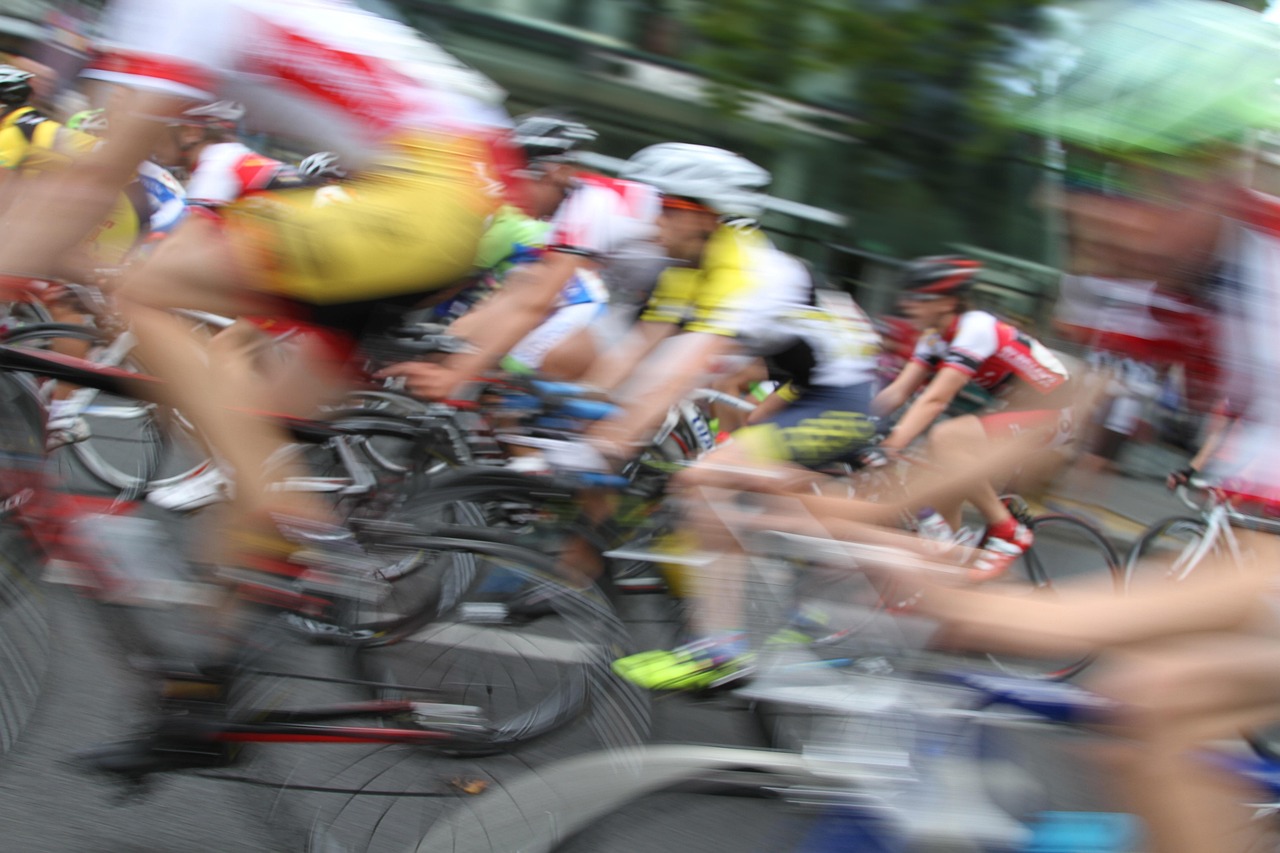
Cycling is a powerful form of exercise that can significantly improve your cardiovascular fitness. By incorporating high-intensity workouts into your cycling routine, you stimulate your heart, lungs, and muscles more than moderate-intensity cycling sessions. The result is enhanced endurance, improved heart function, and increased calorie burning. In high-intensity cycling workouts, cyclists alternate between bursts of maximum effort and recovery periods. This training method engages fast-twitch muscle fibers and improves overall stamina and performance. To effectively utilize this style, consider including interval training in your cycling regimen. This could mean sprinting for short periods followed by slower-paced cycling during recovery. Always remember to start slow and gradually increase the intensity. Utilizing a heart rate monitor can be beneficial, for it helps ensure that you are reaching the desired intensity levels while cycling. Furthermore, high-intensity cycling workouts can also be very effective for weight loss and fat burning. Remember that proper hydration and nutrition play a vital role in achieving optimal results and recovery. Incorporate sufficient rest days to allow your body time to recover and adapt to the intensity of your workouts.
Benefits of High-Intensity Cycling
High-intensity cycling is not just about increasing your heart rate; it offers a plethora of benefits for cardiovascular fitness. First and foremost, these workouts promote better heart health, reducing the risk of heart disease and related conditions. Intensive cycling sessions push your cardiovascular system to adapt and get more efficient in pumping blood. Moreover, high-intensity workouts can enhance aerobic capacity, allowing cyclists to ride longer and faster over time. These sessions also contribute significantly to fat loss, given the substantial caloric burn associated with such intense efforts. The post-exercise oxygen consumption (EPOC) effect ensures that you continue to burn calories even after you finish your ride. Enjoyable workouts can increase motivation and adherence to a fitness program, making high-intensity cycling sessions appealing to individuals seeking excitement in their routines. The social aspect of cycling can’t be overlooked, as group rides can provide encouragement, camaraderie, and accountability. It can be helpful to set personal performance goals, track progress, and celebrate achievements to maintain motivation during high-intensity cycling training. Challenge yourself regularly for ongoing improvements and greater cardiovascular gains.
To incorporate high-intensity cycling workouts effectively, consider creating a structured training plan. A well-designed schedule will include various cycling sessions, including both high-intensity intervals and lower-intensity recovery days. For instance, a simple workout could involve 30 seconds of intense sprinting followed by 1-2 minutes of moderate cycling. Repeat this for 20-30 minutes to acquire effective results. Cycling outdoors is a fantastic way to add variety to your workouts; varying terrain and conditions create a challenging environment that keeps your training interesting. Additionally, indoor cycling classes can offer structured high-intensity sessions, making it easier for beginners to stay on track. You may want to participate in these classes to get started or complement your outdoor rides. Always remember to warm up properly before jumping into high-intensity efforts to avoid injuries. A cooldown each session will also facilitate better recovery. Monitoring your heart rate during these sessions can be invaluable, allowing adjustments based on your physical responses. Over time, you will notice improvements in your cardiovascular capacity which will encourage confidence and motivation in your fitness journey.
Nutrition for High-Intensity Cycling
Proper nutrition is essential for maximizing the benefits of high-intensity cycling workouts. Fueling your body with appropriate nutrients ensures that you have the necessary energy for these demanding sessions. Focus on incorporating complex carbohydrates into your diet, as they provide sustained energy. Foods like whole grains, fruits, and vegetables should be part of your daily intake. In addition, it’s crucial to consume protein to support muscle recovery and repair. Consider sources like lean meats, fish, nuts, legumes, and dairy products to maintain muscle health. Staying hydrated is equally vital, as dehydration can severely impact performance and recovery. Drink water before, during, and after your cycling sessions to ensure optimal hydration levels. Depending on the duration and intensity of the workout, electrolyte-replenishing drinks may be helpful to replace lost minerals. Timing your meals around your cycling workouts can also play a significant role in your energy levels. Aim to consume a balanced meal a few hours before cycling and consider a small snack close to workout time for an additional energy boost. After exercising, make sure to eat a nutritious meal to assist in recovery and replenish your energy stores efficiently.
When it comes to high-intensity cycling, the right equipment can provide a distinct advantage. Investing in a quality bike may enhance comfort and performance, while also reducing the risk of injury. Proper cycling shorts and padded seats can also help ensure comfort during long, intense sessions. Cycling shoes specifically designed for your style can improve efficiency and power transfer. Besides physical gear, don’t overlook the importance of accessories. A heart rate monitor or a fitness tracker can help you measure effort and adjust as needed. Smart trainers or stationary cycles provide a way to maintain a high-intensity focus regardless of weather conditions. These tools can simulate outdoor terrains, enhance interaction and offer structured workout plans. Joining a local cycling group can also prove beneficial, as it brings together motivated individuals who push each other to excel. Participating in cycling events or competitions will allow you to set challenges that further inspire progress. Remember to consult with professionals or experienced cyclists about their recommendations for equipment and gear that align with your fitness goals while allowing you to elevate your high-intensity cycling experience.
Tracking Progress in High-Intensity Cycling
Tracking progress is a crucial aspect of any fitness routine, especially for high-intensity cycling workouts. Monitoring your performance can help you stay motivated and assist in setting realistic goals. One effective way to track your metrics is by keeping a cycling journal. In this journal, note your distances, times, speeds, and heart rates during workouts. This record will allow you to identify trends over time and make adjustments to improve your workouts efficiently. Additionally, consider using smartphone applications or fitness devices that automatically log rides and display metrics in an easily digestible format. Engaging in regular fitness assessments, such as time trials or tracking distances ridden over a specific time period, can help evaluate improvements effectively. Reviewing your past performances and comparing them with current results fosters a sense of achievement. Remember to celebrate these benchmarks along the way, no matter how small. Joining cycling communities, either online or locally, can also provide encouragement and camaraderie. Sharing your achievements and participating in friendly competitions can further enhance motivation while creating opportunities for growth and community connection through shared fitness journeys.
High-intensity cycling workouts can significantly impact cardiovascular health, addressing both fitness and well-being. However, incorporating sufficient rest and recovery is essential to avoid overtraining and burnout. Schedule rest days in your routine to allow muscles and the cardiovascular system adequate time to recuperate. Recovery strategies include light cycling, stretching, and engaging in different forms of exercise like yoga or swimming. These activities maintain physical activity while facilitating muscle recovery. Additionally, good sleep quality plays a crucial role in overall recovery. Aim for 7 to 9 hours of sleep per night to promote muscle repair and cognitive function. Prioritize sleep hygiene by creating a comfortable sleep environment, avoiding screens before bedtime, and establishing a regular sleep schedule. If you notice persistent fatigue or a decrease in performance, reassess your workouts to determine if adjustments are necessary. Proper nutrition complements recovery, making it vital to continue nurturing your body with nutrients post-exercise. Embrace the journey of high-intensity cycling and its numerous benefits. Combining structured workouts with adequate recovery strategies will lead to better cardiovascular performance and an overall feeling of wellness.
Engaging in high-intensity cycling workouts not only enhances cardiovascular fitness but also builds a supportive community among cyclists. Sharing experiences and training tips can create a sense of belonging. Obtain encouragement from fellow cyclists and enjoy communal workouts, fostering team bonding with shared goals. Find a local cycling club or training group to connect with individuals who share similar fitness aspirations, as both motivation and accountability can accelerate personal progress. Additionally, explore online platforms or social media groups dedicated to cycling, where participants worldwide exchange tips and strategies, helping each other improve. The emotional benefits associated with exercising in a group or community should not be overlooked either. These connections can make self-improvement more enjoyable and fulfilling. Celebrate each individual’s achievements within the community to inspire growth and enhance morale. Extend your social connections beyond the bike, such as attending cycling events or volunteering together at races. This further strengthens friendships and allows mutual support. The companionship resulting from shared challenges enables unparalleled motivation while cycling at high intensity. Overall, embracing community creates a richer cycling experience and encourages better adherence to a high-intensity training plan.