
Developing a Positive Recovery Mindset for Long-Term Success
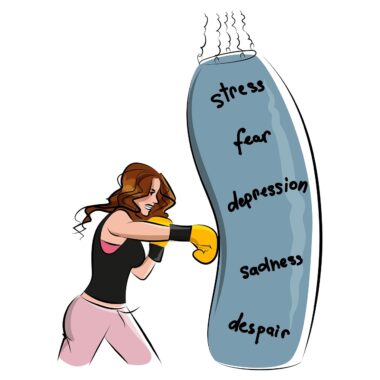
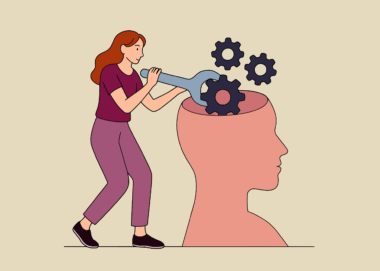
Recovery from an injury is a complex process that encompasses physical healing but also requires a significant psychological adjustment. Developing a positive recovery mindset is crucial to promote resilience and ensure long-term success. Psychological factors play a vital role in how individuals cope with physical injuries. A supportive mindset can influence not just the emotional well-being of the injured person but also their actual recovery time. Focusing on positive outcomes can enhance motivation and adherence to rehabilitation programs. Building a foundation of optimism can lead to proactive behaviors, such as regular participation in prescribed exercises and maintaining a healthy lifestyle. Moreover, managing stress and anxiety through mental techniques, including meditation and visualization, can greatly benefit recovery outcomes. Support networks, including family, friends, and counseling, provide the emotional sustenance necessary during rehabilitation. Establishing open, honest communication about feelings allows for a healthy expression of frustrations and fears, which helps in overcoming mental barriers. Understanding that setbacks may occur but do not define recovery can foster resilience. Ultimately, a constructive mindset can transform an injury from a debilitating event into an opportunity for personal growth and improvement.
One of the most effective strategies for enhancing recovery is goal-setting, which helps to maintain focus and motivation. Setting achievable, short-term goals creates a sense of accomplishment, fueling further optimism. For instance, a person recovering from an injury might set daily or weekly goals, such as performing specific exercises or achieving a certain level of improvement in functionality. This process enables injured individuals to track their progress and maintain engagement in therapy. Long-term goals should also be established, emphasizing the bigger picture of their recovery journey. It’s crucial to celebrate small victories, as they bolster positive emotions and reinforce the belief in one’s capability to overcome challenges. Maintaining a positive mindset often requires surrounding oneself with encouraging influences. Positive affirmations and motivational quotes can serve as daily reminders to persevere. Furthermore, actively engaging with support groups or communities of others who have experienced similar injuries fosters a sense of belonging and understanding. This shared experience can provide invaluable insights and coping strategies. Embracing the journey of recovery as a personal evolution encourages individuals to view their circumstances through a lens of optimism rather than one of defeat.
The Role of Mindfulness in Recovery
Mindfulness and self-compassion significantly impact recovery, helping individuals deal with the emotional and physical pain associated with injuries. Practicing mindfulness involves staying present in the moment and cultivating awareness of one’s bodily sensations, thoughts, and emotions without harsh judgment. This approach helps injured persons manage negative feelings such as frustration and hopelessness, which can deter recovery progress. Mindfulness practices, such as meditation or yoga, can build an inner resilience that empowers individuals to cope better with challenges. Incorporating mindfulness into the recovery process encourages patience, as healing often takes longer than anticipated. This practice shifts focus away from the end goal and towards appreciating small achievements along the way. Self-compassion, on the other hand, involves treating oneself with kindness in moments of pain or struggle. It allows individuals to forgive themselves for perceived shortcomings in the recovery process. Understanding that it’s normal to experience difficulty can alleviate added pressure and promote emotional healing. The combination of mindfulness and self-compassion fosters a balanced mental state, enabling injured individuals to accept their experiences fully while nurturing hope for the future. Recognizing the value in each step nurtures a more rewarding recovery journey.
Furthermore, visualization techniques play a key role in reprogramming one’s mindset concerning physical limitations. Athletes often use mental imagery to aid performance and recovery, helping them visualize successful movement patterns and healing processes. For example, an injured athlete may spend time imagining successfully completing their rehabilitation exercises or envisioning themselves performing at peak levels post-recovery. This process not only enhances motivation but can also promote neural pathways associated with the physical execution of those movements. Visualization helps bridge the gap between physical limitations and athletic aspirations, fueling hope and determination. Alongside visualization, it is essential to develop a structured rehabilitation plan that accommodates emotional needs. Consistent routines can prevent feelings of chaos or lack of control, often prevalent during recovery. Flexibility within this structure allows individuals to listen to their bodies and adapt as needed. Building routines also includes setting designated times for rest and relaxation. Emphasizing emotional and mental self-care helps establish a solid foundation for healing. Creating a personalized recovery environment fosters a safe space for individuals to focus on their journey without external pressures. A supportive environment ultimately amplifies recovery progress, reinforcing the positive mindset necessary for long-term success.
Building Support Networks
Establishing and leaning on a support network can profoundly impact one’s recovery mindset. Family, friends, and healthcare professionals often play vital roles, offering encouragement during difficult times. Open communication within these relationships is essential, as it allows individuals to share their fears, frustrations, and triumphs along the arduous recovery path. Regular check-ins and social engagements serve both to inform loved ones about progress while also offering invaluable emotional support. In addition, engaging with fellow injured individuals through support groups cultivates shared understanding and companionship. Such interactions can empower individuals, reminding them that they are not alone in their struggles and can learn from each other’s experiences. Learning coping strategies from peers who have overcome similar challenges can also enhance the approach to recovery. Engaging with professionals, such as physical therapists or psychologists, can provide tailored strategies that consider both physical and emotional needs. Understanding that recovery is a team effort nurtures positivity and dispels feelings of isolation. The blend of personal relationships and professional guidance creates a rich support system that significantly influences mental health and overall recovery outcomes.
In addition to building support networks, fostering a daily positivity routine can significantly improve emotional resilience during recovery. Engaging in activities that uplift mood—such as gratitude journaling, creative expression, and enjoying nature—can enhance one’s outlook. Practicing gratitude involves acknowledging the positive aspects of life, even during challenging times, which helps to shift focus away from negativity. Keeping a daily journal of things one is thankful for can serve as a powerful reminder of life’s blessings. Creative outlets like painting, writing, or playing music can also provide emotional relief and serve as a form of self-expression. Nature walks and physical activities in tranquil settings allow for mental breaks and rejuvenation. These restorative practices help in developing a consistent, positive mindset over time. In addition, prioritizing self-care routines, such as regular exercise, healthy nutrition, and sufficient sleep, directly affects mood and outlook. Taking care of physical health not only improves the recovery process but also contributes to a stable mental state. Combining supportive relationships with positive daily practices creates a holistic strategy for overcoming the psychological obstacles that injuries present.
The Long-Term Benefits of a Positive Mindset
Ultimately, embracing a positive recovery mindset not only accelerates short-term healing but also lays the groundwork for long-term success beyond the injury. Individuals who cultivate positivity develop greater psychological resilience, enabling them to handle future challenges and setbacks more effectively. In the realm of physical activity, those with a constructive outlook are more inclined to participate in sports, fitness, and recreational activities, fostering a healthier lifestyle. A positive mindset can also enhance self-efficacy—the belief in one’s competency—leading individuals to explore new opportunities and push limits. This courageous approach to life creates a ripple effect, encouraging others to adopt similar attitudes. As former athletes or individuals recovering from injuries recount their journeys, they inspire others to embrace resilience and positivity as pathways to success. Furthermore, viewing recovery journeys as personal growth experiences enriches one’s life perspective. The skills learned during this time can translate to various life challenges, enhancing emotional intelligence and interpersonal relationships. Thus, developing a positive recovery mindset contributes to a fulfilling, successful life beyond the injury’s immediate confines, enabling individuals to thrive in all aspects.
In conclusion, the journey to recovery is not only about physical healing but also involves a significant psychological transformation. Developing a positive recovery mindset encompasses various strategies, including goal setting, mindfulness, and leveraging support networks. By fostering optimism, embracing self-compassion, and utilizing visualization techniques, individuals can navigate their recovery journeys with resilience and determination. Building a positive daily routine further reinforces this mindset, ensuring lasting emotional well-being even beyond recovery. Engaging with supportive relationships and exploring holistic practices contributes to a well-rounded approach that nurtures mental and emotional health. Finally, recognizing the long-term benefits of maintaining a positive outlook solidifies the importance of this mindset throughout life. Each step in recovery serves as an opportunity for growth and a chance to emerge stronger, all while inspiring others to pursue their paths to healing. Remember, the journey may be challenging, but every small victory counts toward the ultimate goal of a healthier, happier life. Embracing the principles outlined in this article can facilitate personal development, leading to fulfilling life experiences and a profound sense of achievement. Thus, a positive recovery mindset not only encourages better rehabilitation outcomes but transforms injuries into pivotal moments for self-discovery.