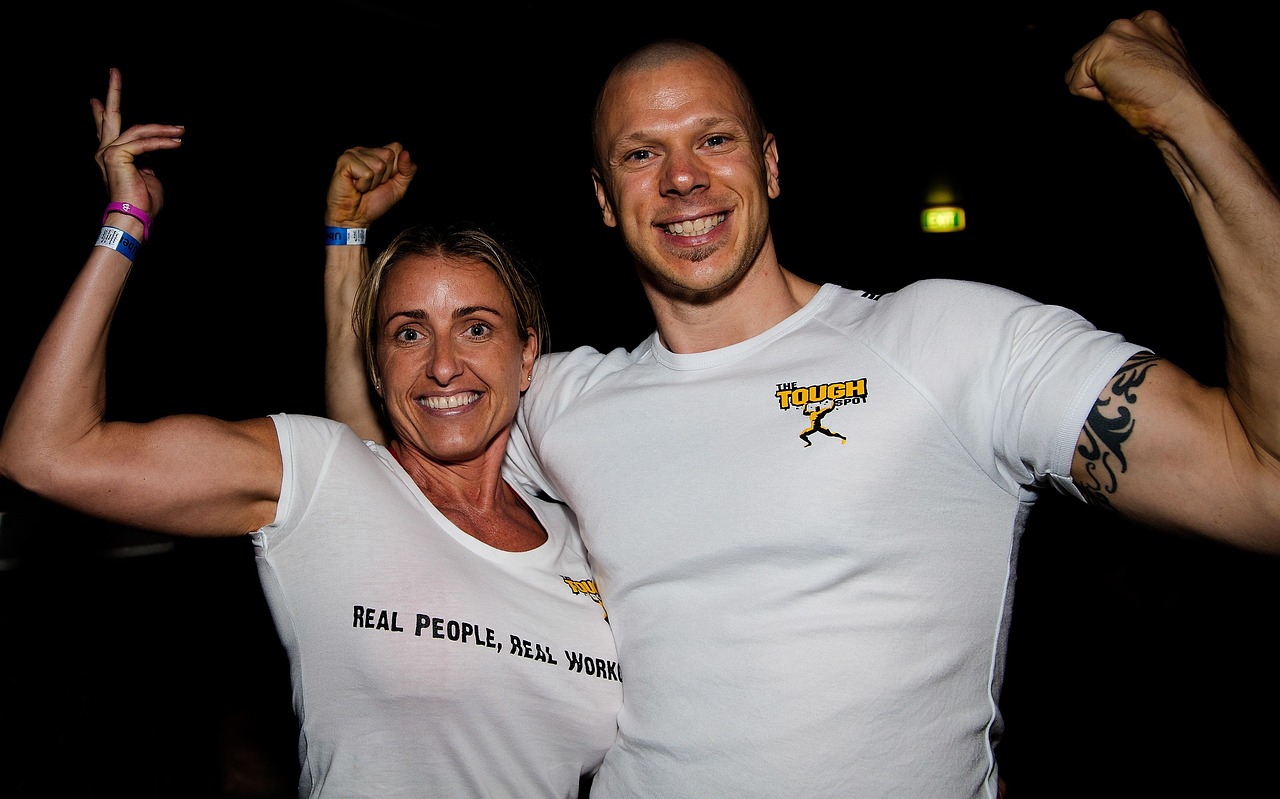

Building Trust and Rapport with Your Bootcamp Trainer
Trust and rapport are essential in any trainer-trainee relationship, especially in a bootcamp setting. When you feel comfortable with your trainer, you are more likely to engage fully in the workouts and accept their guidance. They can create personalized training strategies that meet your specific health and fitness goals. Establishing this bond requires mutual respect, patience, and open communication. A successful bootcamp trainer not only imparts knowledge but also takes time to form a connection. Sharing personal stories can help build this rapport, making it easier for them to understand your motivations and challenges. Clear communication is important. Expressing your concerns, feedback, and emotions helps your trainer adjust your regimen. Regular check-ins and collaborative goal setting can enhance this connection. You are encouraged to be honest about your feelings during training sessions, especially about discomfort or fatigue. This honesty helps trainers create effective recovery protocols and adjust programming as needed. In turn, a trainer’s encouragement can motivate you to push through tough workouts. Building trust is a key factor in achieving long-term fitness and wellness, which is ultimately the goal of participating in any bootcamp.
A strong relationship opens doors for a more enjoyable experience in the bootcamp environment. Your bootcamp trainer holds a dual role: that of a mentor and a coach. As a mentor, they guide you through the often overwhelming world of fitness. They help translate complex health advice into practical steps you can implement in your life. Understanding your learning style is vital for building this relationship. If you are someone who thrives on positive reinforcement, express this to your trainer. On the other hand, if constructive criticism is more effective for you, let them know that too. Trainers appreciate this information, as it aids in tailoring their approach to meet your needs. This adaptability acts as a foundation for strengthening trust. Authorized trainers often hold certifications that validate their expertise. However, expertise alone is not enough; it must be coupled with emotional intelligence and empathy. Being approachable makes it easier for you to ask questions and express concerns. During tough training sessions, the ability to share your struggles openly also fosters a supportive environment. Trainers often strive to create camaraderie among participants, enhancing bonding through shared experiences.
Setting Realistic Expectations
Having realistic expectations is crucial for both trainees and trainers. When starting in a bootcamp, you may have high aspirations, but it’s essential to align those with achievable goals. Communicating openly about what you wish to accomplish helps your trainer devise a more suitable training plan. This discussion establishes a framework for success, ensuring that the workouts you’ll pursue are tailored to your current level and abilities. Being transparent about your previous fitness experiences, limitations, or injuries can significantly impact your progress. Getting this information helps your coach reduce the chances of injuries by creating a tailored program. Moreover, it allows your trainer to foster a more encouraging atmosphere. They can help frame setbacks as learning opportunities, rather than failures. Trainers may also want to set benchmarks or milestones to help track your progress. Celebrate these milestones together to build both confidence and rapport. Remember, fitness is a journey, not a sprint. Embracing this mindset allows you to enjoy the process, making your experience much more enriching. With time, both you and your trainer can refine and adjust your fitness goals to maintain ongoing motivation.
Regular feedback is a cornerstone of effective communication between you and your trainer. Providing and receiving feedback can boost trust and rapport significantly. After classes, you might offer feedback on what you enjoyed or found challenging. This kind of input allows your trainer to fine-tune their approach, enriching your bootcamp experience while also developing their professional skills. Similarly, be open to constructive criticism from your trainer. They provide insights designed to improve your technique, keeping you safe while maximizing benefits from each workout. You might find that starting with smaller focuses—like adjusting your form—leads to better results and greater comfort. Sometimes, your trainer will push you to go beyond your perceived limits. Understanding that these challenges are part of the growth process is crucial. A relationship based on trust allows you to take advice seriously, knowing it comes from a place of care and expertise. Thus, the dynamic between you becomes more collaborative rather than purely instructional. Collaborative efforts can lead to both mental and physical breakthroughs in your bootcamp journey, making feedback a tool for growth.
Learning to Handle Adversity
Every fitness journey is filled with challenges, and handling adversity is vital for building resilience. Life events, injuries, or even mental fatigue can disrupt your progress, prompting feelings of frustration. Here, your bootcamp trainer can play a pivotal role. Building trust allows you to confide in your trainer about hurdles you’re facing—either physical or emotional. In these moments, your trainer can offer empathy and reassurance. They not only help recalibrate your physical goals but also provide emotional support. Open discussions about setbacks can facilitate adjustments in your training program to adapt to your current reality. This gives you space to reflect on your experience without feeling pressured. A strong trainer-trainee relationship means that they will stay committed to helping you, regardless of the obstacles. Together, you can identify ways to navigate through rough patches effectively. They might suggest alternative workouts during recovery or implement mental exercises to keep your spirits and motivation high. This kind of supportive framework can help to cultivate a healthier mindset and reinforce your relationship, proving that even in times of adversity, progress is always achievable.
Creating a motivating environment contributes significantly to establishing trust and rapport. A positive, energetic training atmosphere encourages you to perform your best. Bootcamp trainers often use various strategies to foster motivation among participants. For instance, incorporating music can enliven the mood, and friendly competition introduces an engaging twist. During workouts, your trainer might share inspiring success stories to boost morale and foster a sense of community. Group bootcamps often benefit from this camaraderie, creating team spirit. Engaging in partner workouts can also facilitate deeper connections with fellow participants, reinforcing your bond with your trainer. Part of trust building involves showing vulnerability. Sharing your own experiences, fears, and aspirations can strengthen connections, making others feel comfortable to do the same. Trainers may encourage sharing personal stories to make everyone feel more connected. This cohesive community fosters relationships, making the bootcamp experience enjoyable. Remember, enjoying the journey plays a pivotal role in achieving your goals. Whether it’s through laughter, shared struggles, or triumphs, trust cultivated in this environment creates a lasting bond between you and your trainer that extends beyond the bootcamp itself.
Conclusion: The Journey Ahead
Building trust and rapport with your bootcamp trainer is not merely a one-time effort; it’s an ongoing journey. By actively participating in dialogue, setting realistic expectations, and sharing experiences, you can enhance your training experience. Remember, both you and your trainer have unique insights to offer, which can greatly benefit the overall dynamic. Tune into your own learning preferences and communicate them with your trainer. This collaboration can create a solid foundation for your fitness journey. As you tackle new challenges and celebrate milestones together, the mutual respect and understanding will continually evolve. Embracing the complexities of your fitness journey strengthens not only your physical health but also fosters emotional growth. Celebrate small victories along the way, and don’t shy away from discussing challenges, both big and small. This openness will encourage a nurturing training environment, ensuring you thrive. A solid trainer-trainee relationship can lead to transformative experiences. So, take the plunge, engage fully, and observe how building this bond can transform your bootcamp experience, turning it into a fulfilling journey toward your health and fitness goals.