
The Science of Electrolyte Replacement Post-CrossFit WOD
Post-workout nutrition plays a crucial role in recovery, particularly for CrossFit athletes. The intense physical demands of WODs lead to significant perspiration, where minerals such as sodium, potassium, and magnesium are lost. The primary purpose of electrolyte replacement after an intense workout is to replenish these losses, which is vital for optimal muscle function and overall recovery. Failure to adequately replace these electrolytes can lead to muscle cramps, fatigue, and longer recovery times. A well-structured post-workout meal should include a balance of carbohydrates, protein, and these essential electrolytes to aid recovery. This will allow the body to restore lost energy, promote muscle repair, and enhance overall performance in subsequent workouts. CrossFit athletes need to pay attention to their hydration and nutrient intake immediately after training. Consuming a mix of fluids and solid foods that includes electrolytes can be instrumental in maintaining peak performance and reducing muscle soreness. The timing and content of post-workout meals can influence recovery outcomes, making it vital to understand individual needs. Proper nutrition will yield substantial benefits to any athlete’s overall performance.
Electrolytes play an essential role in maintaining hydration balance during workouts. For CrossFit athletes, the loss of these electrolytes is heightened due to greater fluid loss during intense training sessions. This creates a need for effective electrolyte replacement strategies post-workout. Sodium, potassium, and magnesium are the primary electrolytes that need attention. Sodium helps retain fluids, while potassium aids in muscle contraction and nerve function. Magnesium contributes to energy production and muscle recovery. By replenishing these key minerals post-workout, athletes can enhance recovery rates and minimize fatigue. It’s important to incorporate various sources of electrolytes into a post-workout nutrition plan. Foods rich in these elements—like bananas, coconut water, or electrolyte drinks—can be beneficial. Furthermore, the use of specialized sports drinks should be tailored to the intensity of exercise. These drinks often contain added sugars and artificial flavors, so athletes should choose wisely. Maintaining a proper electrolyte balance is not just about hydration; it directly affects athletic performance, mood, and overall health. Athletes must listen to their bodies and adjust their post-exercise diet to meet these electrolyte requirements.
Replenishing electrolytes also helps in preventing the adverse effects associated with dehydration. When athletic performance during CrossFit diminishes due to dehydration, it affects strength, endurance, and coordination. As CrossFit athletes engage in high-intensity interval training, they need to be conscious of the signs of electrolyte depletion. Symptoms may include dizziness, muscle weakness, and cramping. The key to effective recovery lies in timely electrolyte restoration immediately after the workout. A common recommendation is to consume a recovery drink or snack within 30 minutes post-exercise. Beverages that contain electrolytes should be simple to digest and quickly absorbed. Including carbohydrates along with protein can also help enhance recovery by replenishing glycogen stores and repairing muscle tissue. An example could be a smoothie with added electrolyte powder and a banana, providing a quick source of energy and important minerals. Athletes should also consider the overall dietary habits throughout the week, ensuring they are consuming adequate nutrition and hydration regularly. Engaging in CrossFit requires commitment to nutrition as a means of optimizing athletic potential and performance.
Customizing Electrolyte Intake
Customization of electrolyte intake is crucial for athletes with differing exercise intensities and regimens. Factors like sweat rate, duration of workouts, and environmental conditions influence individual electrolyte needs. Some athletes may need to drink larger amounts of fluids and consume higher levels of sodium and potassium, while others may have different baselines that work for them. Monitoring fluid intake and adjusting electrolyte consumption fosters optimal performance and avoids any pitfalls associated with excessiveness or deficiencies. Practical ways to determine individual electrolyte needs include tracking weight loss during workouts and adjusting food and drink intake accordingly. Keeping a hydration journal could help athletes identify patterns and adjust their routines as needed. Furthermore, using electrolyte supplements can also help athletes meet specific needs without overconsuming calories. This tailored approach promotes effective recovery and maintains fluid balance, which is crucial during hard training cycles. Additionally, athletes should always remain aware of their body’s signals. True success lies in not only working hard during WODs but ensuring recovery meets individual requirements afterward.
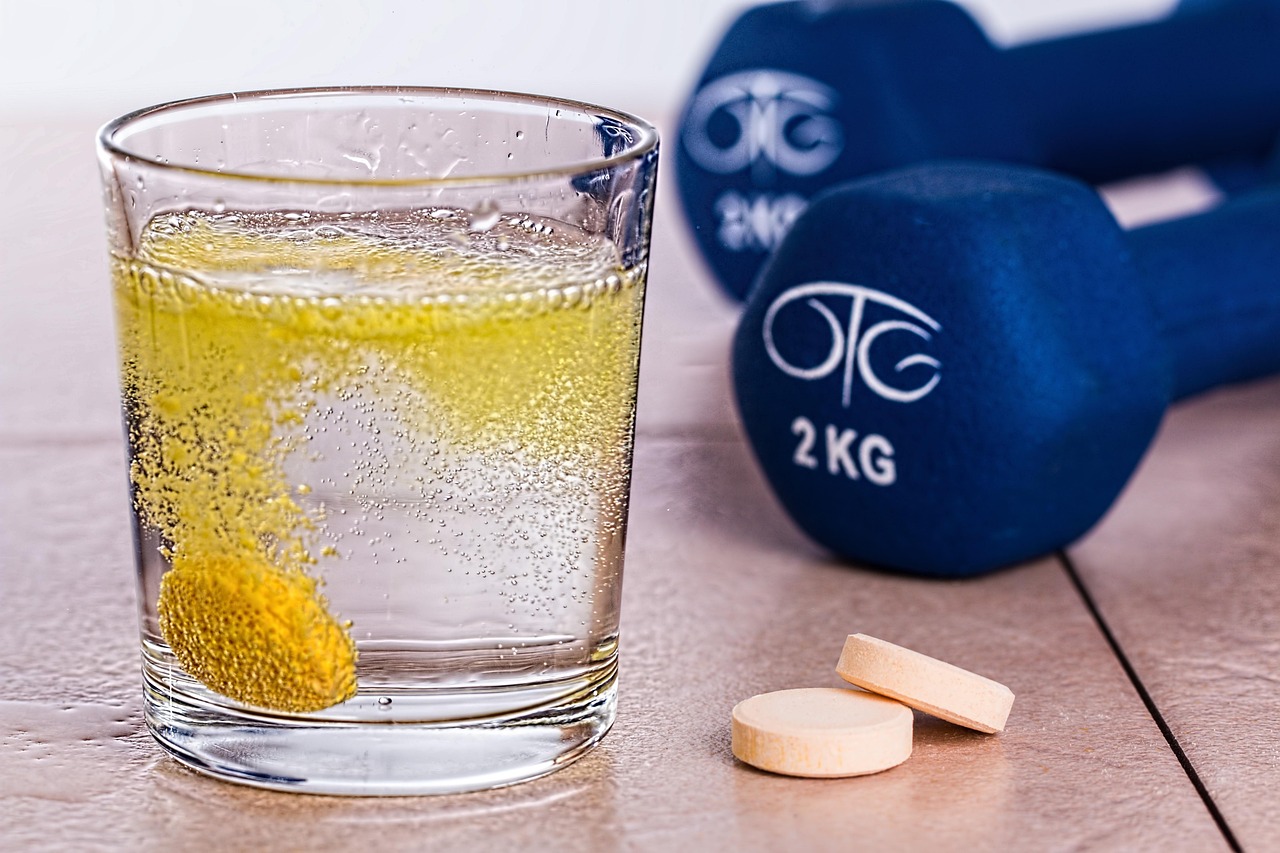
Electrolyte tablets and drinks have become popular choices among athletes, but careful consideration is needed when selecting these products. Many commercial options are available that promise rapid replenishment of lost minerals. However, not all electrolytes are equally effective. Some sports drinks contain high amounts of sugar, which can be counterproductive post-exercise. Opting for drinks with lower sugar content can prevent unwanted spikes in blood sugar. Alternatively, natural sources like homemade electrolyte beverages made with coconut water, lemon juice, and a pinch of salt are excellent options. These mixtures provide hydration with naturally occurring sugars and are easy on the stomach. Another consideration is the usage of electrolyte tablets, which allow athletes to conveniently control dosages without added sugars and calories. Experimenting with different methods of electrolyte replacement can help athletes find what works best for them. Understanding the science behind these electrolyte-based products can lead to better recovery strategies. The right choice will depend on individual preferences and goals, enabling athletes to optimize their post-workout nutrition routine.
The Timing of Nutritional Intake
Timing is paramount when it comes to post-workout nutrition, particularly in CrossFit training. Athletes should aim to consume their post-workout meals within a specific window—ideally 30 to 60 minutes after completing a WOD. This timeframe is often referred to as the anabolic window, where the body is most primed for nutrient absorption. During this critical period, muscles are particularly receptive to replenishing glycogen stores and repairing damage from physical exertion. Consuming a balanced meal including carbohydrates, protein, and electrolytes during this time can significantly increase recovery effectiveness. Furthermore, liquid-based nutrients can expedite absorption, allowing the body to initiate recovery more quickly. Liquid nutrition such as smoothies or shakes that contain adequate protein and carbohydrates can be optimal. It’s also advantageous to use timing to reinforce the hydration balance with electrolyte solutions. Adequate timing and nutrient combination can set the stage for performance gains in following workouts. It is essential for CrossFit athletes to understand the importance of this timing for their health and athletic ambitions.
In conclusion, post-workout nutrition is an essential element for CrossFit athletes aiming for optimal recovery. Maintaining a proper balance of electrolytes is a fundamental component of this nutrition strategy. By understanding the importance of electrolytes, athletes can combat fatigue and prevent muscle cramps effectively. Incorporating nutrient-rich foods and beverages can solve the electrolyte deficiency developed during strenuous workouts. Personalized approaches towards electrolyte replenishment ensure better outcomes based on individual needs and performance goals. It’s imperative for athletes to evaluate and adjust their dietary regimens continuously. Experimenting with timing, foods, and hydration drinks can reveal optimal strategies. Integrating electrolytes into a comprehensive nutrition plan is vital for preventing the negative impacts of dehydration. CrossFit athletes who prioritize post-workout nutrition by strategically rehydrating will enhance their recovery process and boost overall performance levels. Continuous education about dietary practices, hydration needs, and personalized recovery strategies will benefit long-term athletic performance. Nurturing the body with the right nutrients is ever more critical as CrossFit workouts continue to challenge limits and push personal boundaries.
Conclusion on Importance of Electrolyte Balance
In conclusion, prioritizing electrolyte balance in post-workout nutrition is vital for all CrossFit athletes. A holistic approach should encompass a variety of sources, including hydrating foods and specialized drinks. Personalization of electrolytes consumed after workouts will help athletes dictate their unique needs more effectively. Thorough understanding and strategic planning of electrolyte replenishment enhances recovery outcomes. This process contributes significantly to performance level enhancements, allowing athletes to hit their goals with urgency and consistency. Continuous learning about nutrition strategies deepens athlete knowledge, empowering them to make informed decisions. As training modalities evolve, so must recovery practices, ensuring they are aligned with individual goals. Seeking advice from nutritionists or dietitians experienced in CrossFit can provide tailored strategies. Investing in post-workout nutrition may appear complex due to varying options, yet its importance cannot be overstated. Athletes should not overlook the necessity of addressing electrolyte levels, as any disregard can hinder performance, growth, and health. Long-term commitment to proper nutritional strategies leads to sustainable success and resilience in physical pursuits. With diligent dedication to recovery, athletes pave the way for countless triumphs in their CrossFit journey.