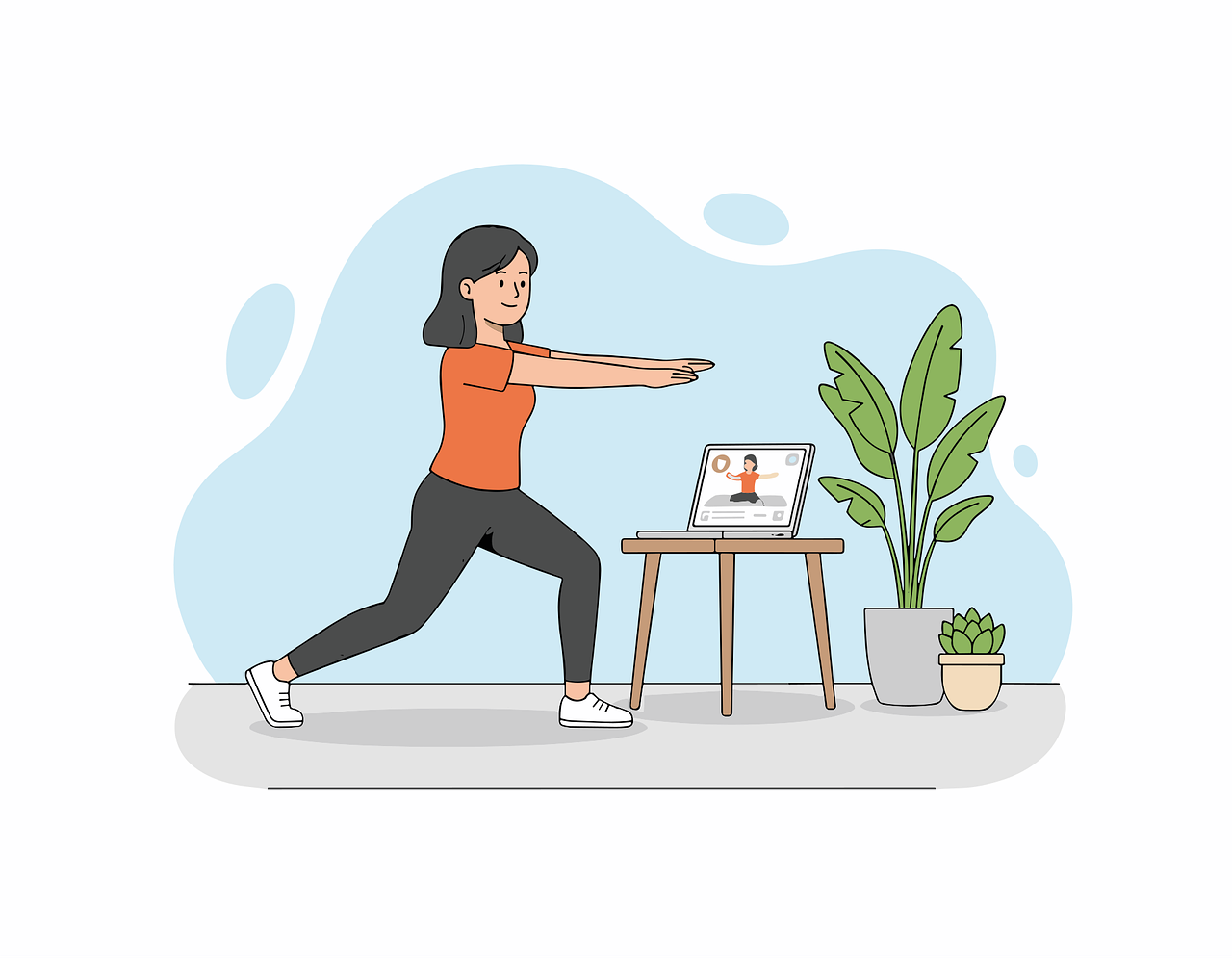

How to Create Your Own Bodyweight Challenge Program at Home
Designing a bodyweight challenge program can be a fun and effective way to stay fit. Begin by setting clear goals for your program. Common goals include improving strength, flexibility, or overall endurance. Understand your fitness level; this helps tailor your program effectively. Beginners may want to focus on fundamental movements, while seasoned individuals can add complex exercises into their routines. Choose specific bodyweight exercises that align with those goals, such as push-ups, squats, and planks. Make sure to prioritize form over quantity to prevent injuries. It’s crucial to schedule your workouts; consistency is a critical factor. Aim for at least three workout sessions a week. Consider varying the intensity and durations based on your fitness level as well. Additionally, incorporating rest days helps ensure recovery, which is essential for muscle growth. Tracking progress in a journal allows you to see improvements and stay motivated. Feel free to adjust your program as you go, ensuring it remains challenging and engaging. Finally, consider seeking support from online communities to share experiences and advice. Diving into a bodyweight challenge can lead to significant improvements in your overall fitness and well-being.
Next, you’ll want to incorporate variety into your workouts. One effective strategy is to design circuits that include multiple exercises. A sample circuit might include a push-up, squat, and burpee. Performing these in a loop can significantly increase the heart rate and overall calorie burn. You can also introduce time-based challenges, such as completing as many reps in a minute. Changing up the routine assists in breaking the monotony often associated with exercise. Explore adding different variations of exercises; for instance, instead of standard squats, try jump squats or single-leg squats to spice things up. Ensuring that your routine progresses by increasing difficulty is also crucial. You might add more reps or reduce rest time between sets as you feel stronger. Make sure to balance upper and lower body workouts for a well-rounded program. A balanced routine prevents stagnation in strength and avoids overworking certain muscle groups. Additionally, consider including mobility and flexibility work to enhance your body’s range of motion and support flexibility as part of your daily routines. This not only improves performance but also aids in recovery from more strenuous workouts.
Tracking Your Progress
Tracking your progress is pivotal in building a successful bodyweight challenge program. To stay motivated, use simple methods like a fitness journal or mobile applications. Documenting each workout allows you to visualize how you’ve improved over time. Note down the number of reps, the type of exercises completed, and the total duration of your sessions. Setting periodic assessments can help you evaluate your strengths and identify areas needing improvement. For instance, attempt to time your push-ups and try to beat your previous time every two weeks. Regular evaluations encourage healthy competition with yourself, leading to greater motivation. Additionally, sharing your progress with peers can create a sense of accountability, urging you to stick with your program. Incorporate personal benchmarks to measure your success; these could be completing a specific routine without stopping or hitting a milestone number of reps. Celebrate each achievement to maintain enthusiasm and commitment. Furthermore, don’t shy away from adjusting your program based on your progress. If a certain exercise becomes too easy, feel free to either add variations or increase the number of repetitions to keep challenging your body.
Creating a supportive environment also enhances the effectiveness of your bodyweight program. Ensure your workout space is conducive to exercising. This might mean having sufficient room to move freely and a clear area to perform activities. Decluttering your workout area promotes a focused mind during your sessions and makes transitioning between exercises smoother. Furthermore, eliminating distractions can significantly boost your workout’s intensity. Turn off your mobile phone notifications, and consider inputting your favorite workout playlists on your device. Music can motivate you while training and help you maintain a steady rhythm in your exercises. Inviting friends or family to join your challenges fosters camaraderie and keeps you accountable. Group exercises often lead to friendly competition, which can enhance the overall experience. Another aspect is mental preparedness; visualize your goals before starting a workout. Mental rehearsals can bolster motivation, ensuring you’re ready for your session. On grueling days, remember the reasons you started your bodyweight practice. Every individual faces ups and downs, but maintaining a resilient mindset is key to pushing through. Consistent commitment will yield results and boost self-esteem.
Nutrition and Recovery
A well-rounded bodyweight challenge program extends beyond just exercise; nutrition is equally vital for success. Adopting a balanced diet that fuels your body is essential. Focus on consuming whole foods, such as vegetables, lean proteins, healthy fats, and whole grains. Understand the importance of hydration in your routines, as water supports overall performance and recovery. Aim for at least eight glasses of water daily, and more if you sweat training. Emphasize post-workout meals, which should include protein and carbohydrates to replenish lost energy. Doing so promotes muscle recovery and prepares you for your next workout. Additionally, consider meal prepping to simplify healthy eating, reducing the temptation to resort to unhealthy options. Adequate rest also plays a crucial role; sleeping allows your body the time necessary for recovery. Make sure you’re getting an appropriate amount of sleep based on your physical activity. Lastly, listen to your body. If feelings of fatigue or soreness arise, do not hesitate to take a break or reduce workout intensity. Remember, long-term consistency trumps short-term intensity when creating any bodyweight challenge program that is effective and sustainable.
Setting up challenges for yourself can keep your bodyweight program engaging. Challenge ideas could revolve around increasing your maximum reps for specific exercises. For instance, push yourself to perform 50 chest-to-ground push-ups in one session. Other challenges might include advanced movements like one-arm push-ups or handstands. Engaging in these tasks not only tests your abilities but enhances overall fitness, dedicating a portion of your week to these challenges can introduce fun. If you’re competitive, try to collaborate and compete against friends; this can ignite excitement and motivation. Moreover, working towards micro-goals can lead to substantial progress. For example, aim to improve your endurance by introducing a time trial for running a specific distance. This approach provides opportunities to track your development uniquely. Another fun method is to mix routine-friendly exercises with gamification; exercises can be turned into a point-scoring system. When you reach a certain point, reward yourself, creating a positive reinforcement loop that keeps you invested. Stay flexible with challenges, tweak them as required to keep them fresh while enjoying the journey fitness brings.
Stay Motivated
Staying motivated through a bodyweight challenge program can be tough, especially during challenging moments. Surrounding yourself with positive influences can significantly uplift your spirit when you feel low. Engage with communities online or local fitness groups; having like-minded individuals can inspire you. Furthermore, follow fitness influencers or motivational coaches on social media to receive daily doses of encouragement. Keeping a visual vision board featuring your fitness goals and inspirations can reinforce your aspirations. Daily affirmations also significantly nurture a healthy mindset towards workouts. Positive self-talk empowers you through hard workouts and builds resilience. Setting short-term targets imbues your routines with essential excitement. For example, completing a certain number of workouts per week can be celebrated as a mini-victory. Remember, the journey is uniquely yours, so embrace the ups and downs. Acknowledge that progress is often nonlinear, and that’s alright. Your fitness path may have obstacles, but those moments can pave the way for future growth. Lastly, remember to have fun. Exploring different exercises, trying new routines, and experimenting with challenges will maintain the joy and excitement of working out.
To conclude, creating your own bodyweight challenge program at home is rewarding and incredibly accessible. With no need for equipment, all you require is dedication and creativity. Keep modifying and evolving your program to match your fitness levels and aspirations. Ensuring that you consistently engage with your personalized program will lead to results over time. Acknowledge the importance of building a strong foundation through mastering basic movements before progressing to more complex exercises. Utilize the outlined tips to establish effective routines that incorporate strength, flexibility, and endurance. The type of training you choose should resonate with your fitness goals and lifestyle. Moreover, staying connected with your progress can make all the difference in maintaining motivation. When facing challenges, remember that setbacks are part of every fitness journey; how you respond will shape your experience. Prioritize listening to your body, implementing sound nutrition, and ensuring all aspects of your program work in harmony. Finally, enjoy the process, celebrate your achievements, and cherish the journey towards better fitness. There is a sense of accomplishment that comes from striving to improve oneself; embrace it and inspire others in the process.