
Balance and Stability Workouts to Support Labor
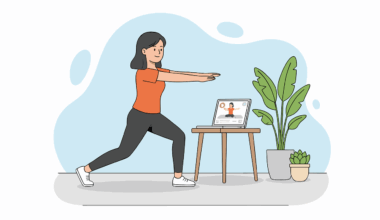
Preparing for labor is essential for expectant mothers, and incorporating balance and stability workouts can significantly enhance readiness. During pregnancy, your body undergoes various changes, including shifts in weight and center of gravity. This experience can lead to instability, making it crucial to bolster core muscles and improve coordination. Engaging in stability exercises helps maintain better posture and flexibility, which translate into smoother labor outcomes. Emphasizing physical fitness during pregnancy can also alleviate discomfort and stress. One effective approach is integrating movements that require balance, such as standing on one leg while performing arm extensions. This exercise engages multiple muscle groups, enhancing your strength and stability simultaneously. Additionally, practicing these workouts encourages a stronger connection between your mind and body, fostering confidence throughout the labor process. Consider adding activities like yoga or prenatal Pilates to your routine, which can support your body’s demands during labor. Establishing a comprehensive fitness regime tailored to your needs is essential for optimal well-being during this special time. Ultimately, a focus on balance and stability can empower pregnant women as they prepare for the transformative experience of childbirth.
The importance of core strength cannot be understated when preparing for labor. A strong core supports your spine and pelvis, which helps alleviate discomfort during pregnancy. Key exercises like pelvic tilts and modified planks can strengthen the abdominal muscles without excessive strain. By developing core stability, you’re improving overall strength, making labor more manageable. You might want to engage in controlled movements that focus on the pelvic floor as well. Kegel exercises, which target these muscles, are advocated widely, as they can enhance control during labor and delivery. Being proactive about strengthening your core helps with balance, reducing the risk of falls as your belly expands. In group classes like prenatal yoga or specialized fitness sessions, certified instructors guide expectant mothers through tailored exercises. You can adjust the level of intensity as needed, prioritizing safety and comfort. Always listen to your body and communicate with your healthcare provider before undertaking new workout regimes. This prepares your mind and body for the challenges and joys of labor ahead, ultimately fostering a positive birthing experience.
Incorporating Flexibility Training
In addition to strength training, flexibility exercises play a crucial role in labor preparation. Enhanced flexibility can alleviate muscle tension and promote relaxation throughout the body. Gentle stretching routines focusing on areas of tightness, like the hips and lower back, are particularly beneficial. Maintain a regular stretching practice to improve your range of motion. As the body prepares for delivery, it’s important to ensure that your muscles are supple and ready for the physical demands of labor. Dynamic stretches combined with deep breathing techniques can also foster mindfulness and reduce anxiety. As you stretch and breathe, visualize easing into the labor process, contributing to a more positive mindset. Remember to tailor flexibility routines to your growing body, making adaptations as needed to accommodate your stage of pregnancy. Group classes often feature breathing exercises alongside stretches, creating a supportive community atmosphere. Always consult with a healthcare professional before starting any new workout. Practicing flexibility and mindfulness routinely can significantly boost your confidence while preparing for labor and help you harness your body’s natural capabilities as the big day approaches.
Engaging in stability ball exercises is an excellent addition to any pregnancy fitness regime. These exercises focus on balance while providing gentle support for the body. A stability ball allows expectant mothers to perform a variety of movements that increase core strength and pelvic stability. You can practice gentle squats, pelvic rock variations, or bouncing techniques while seated on the ball. These movements can help align your body and prepare it physically for labor. Moreover, using the stability ball during labor can help you find optimal positions, giving you better control while managing contractions. When performed regularly, exercises with a stability ball can also enhance body coordination. Having fun while working out is essential for maintaining motivation too, and the novelty of the ball adds an element of playfulness. Remember, safety is crucial—ensure that the ball is appropriately inflated to prevent slips or falls. Discuss with your healthcare provider before implementing new exercises into your routine. The joy of finding balance and stability through these engaging workouts can empower you as you approach the wonderful journey of labor ahead.
The Role of Breath Control
Learning breath control techniques can play a fundamental role in developing both physical and mental resilience for labor. Focusing on your breathing can enhance relaxation and reduce tension in the body during the various stages of pregnancy and labor. By practicing deep, rhythmic breathing, you can not only promote oxygen flow but also ground yourself emotionally. Many prenatal classes incorporate breathwork into their routines, often combining it with physical movement. Breathing techniques like the 4-7-8 method can also be beneficial; inhaling for four counts and exhaling for eight promotes relaxation. This approach helps in managing pain during contractions and promotes a positive mindset leading up to labor. Ensure that you regularly practice these techniques to make them second nature when the time arrives. Regular attendance in classes teaches you to synchronize your breath with movement, fostering a deeper connection between mind and body. As labor approaches, effective use of breath can empower you, equipping you to handle what comes. Coordinating breath with physical movement creates stronger mental fortitude, allowing informed responses to labor’s challenges.
The integration of low-impact aerobics into your fitness routine is another way to prepare for labor effectively. These workouts elevate the heart rate while being gentle on the joints, making them suitable throughout pregnancy. Activities like walking, prenatal step aerobics, or swimming can help boost cardiovascular health. Improved fitness levels promote energy, ultimately contributing to a smoother labor experience. Additionally, these exercises strengthen endurance, an essential quality to have during labor. Group classes provide opportunities for social interaction while also motivating participants to remain active together. You also gain from the expertise of certified instructors trained in prenatal fitness, ensuring you’re doing exercises safely. Make sure to wear supportive footwear and drink fluids to remain well-hydrated. Setting specific, achievable goals can enhance your motivation to stay engaged in workouts. Remember, fitness during pregnancy is not merely about exercise; it also encompasses emotional well-being. A positive mindset and strong social connections can contribute to a sense of empowerment as you face labor bravely. Seek out options that fit your lifestyle and preferences for the most enjoyable and beneficial workout experience.
Focusing on Mindfulness
Lastly, incorporating mindfulness practices into your fitness regime can provide extensive benefits for labor preparation. Mindfulness promotes a sense of awareness and presence, which is invaluable during pregnancy and beyond. By fostering a routine that encourages mental clarity and relaxation, you enhance your overall experience leading up to labor. Practices such as prenatal meditation or visualization exercises can alleviate anxiety and promote calmness. To cultivate this, find a serene space and dedicate time daily to connect with your baby and your body. Engage in progressive muscle relaxation techniques that relax tense areas, helping to balance both physical and emotional well-being. Many women find that maintaining a mindful approach increases their confidence and reduces fears surrounding labor. As you become more attuned to your body, you’ll learn to recognize its signals, which can be useful during labor. Connecting with other expectant mothers while practicing mindfulness can also create a supportive network. Consistent training in physical and mental fitness enables you to pave the path for a more empowered experience during childbirth, fostering both strength and resilience.
In conclusion, balance and stability workouts foundationally support labor preparation through nurturing both the body and mind. Embracing a fitness routine that integrates core strength, flexibility, breath control, and mindfulness significantly impacts the pregnancy journey. It’s paramount that you approach workouts with safety, adaptability, and joy at the forefront. Building strength and awareness ensures you’re confident as you approach labor. Remember that every woman’s body is unique, and it’s essential to find a personalized approach that resonates with you. Engage with healthcare professionals and certified instructors to create a tailored plan to support your individual needs. Enhancing your fitness not only prepares you physically but also empowers you emotionally, ultimately transforming your labor experience into one marked by resilience and joy. As you focus on nurturing yourself, you will also nurture your connection with your baby. Always celebrate your progress, regardless of how small it may seem. Labor will become a natural extension of all the preparation that you’ve done, supporting a smooth passage into motherhood.