
Art Therapy as a Stress Management Tool for Seniors
Stress can greatly affect seniors, leading to various health issues, and that’s where art therapy becomes especially beneficial. This therapeutic approach enables older adults to express themselves creatively, allowing for a release of pent-up emotions and stress. By engaging in artistic activities like painting, drawing, or crafting, seniors can improve their mental health, boost cognitive function, and enhance their overall well-being. Importantly, art therapy provides a non-verbal outlet; many seniors may find it difficult to articulate their feelings. Creating art enables them to communicate emotions indirectly, letting their creativity flow without the limitations of language. Establishing a routine that includes art therapy can offer a sense of stability and routine, especially during life’s transitions. Furthermore, this practice fosters social interaction amongst peers, reducing feelings of isolation and loneliness that many seniors experience. In addition to these psychological benefits, engaging in artistic activities may have physical advantages as well, helping to improve fine motor skills. By incorporating art therapy into their lives, seniors can find healthier ways to manage stress and engage in meaningful activities that spark joy and fulfillment.
The Benefits of Art Therapy
Art therapy presents numerous advantages for seniors experiencing stress. One significant benefit is the empowerment it offers by allowing individuals to take charge of their emotional health. When seniors create art, they make decisions about colors, materials, and themes, fostering a sense of autonomy. This empowerment can enhance self-esteem, making participants feel capable and valued. Moreover, engaging in the creative process is mentally stimulating and can help prevent cognitive decline. Research suggests that activities that challenge the brain, such as art-making, can support neural connectivity and enhance cognitive function. Art therapy also encourages mindfulness, requiring individuals to stay present and engaged in the moment. This can be particularly effective for those dealing with anxiety or excessive worry. Additionally, working on art projects can serve as a distraction from daily stressors, fostering relaxation and rejuvenation. Art therapy’s social aspect cannot be overlooked; group art sessions can lead to camaraderie among participants, creating bonds through shared experiences. Ultimately, this multifaceted therapeutic approach can empower seniors to cope with stress and improve their quality of life significantly.
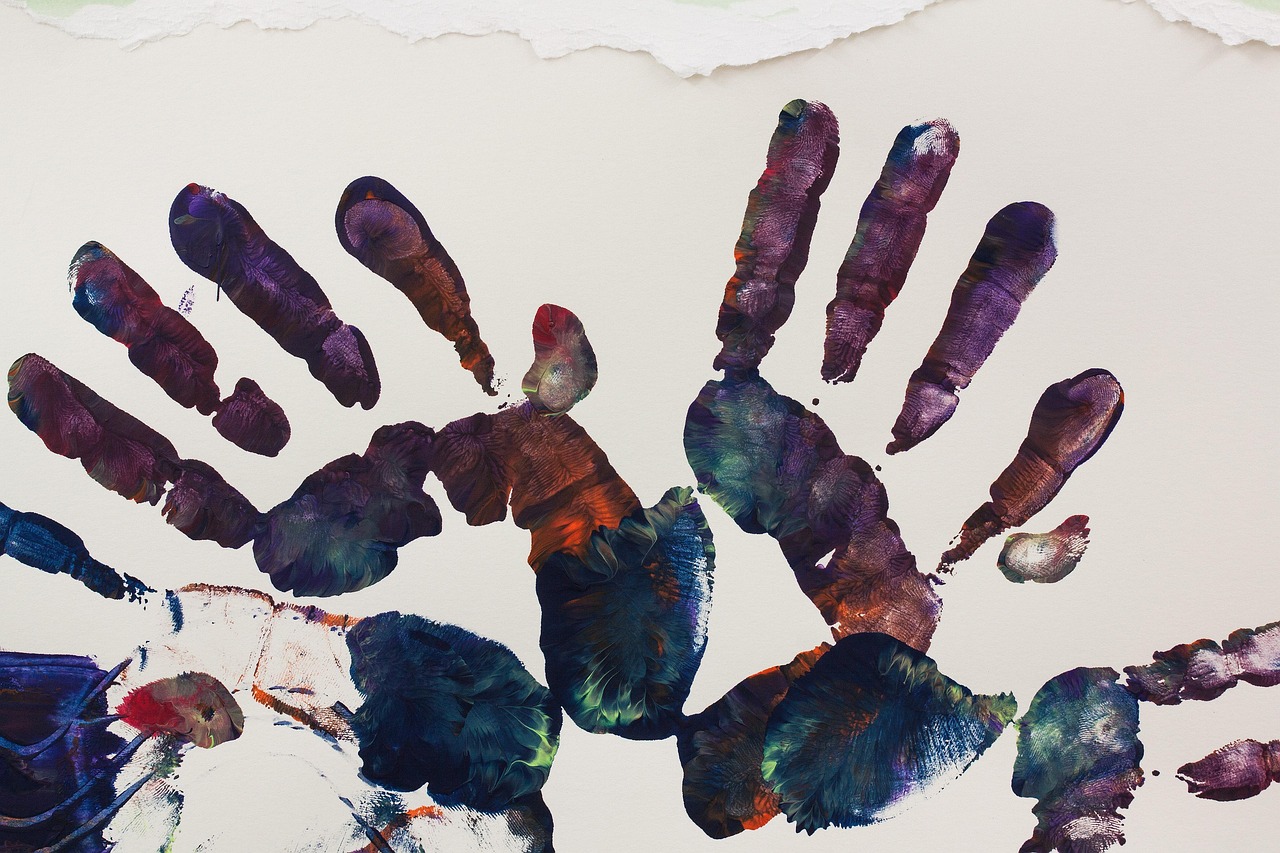
When seniors participate in art therapy, they often explore various mediums that can enhance the experience. Painting, for example, allows for freedom of expression through color and texture. Watercolors or acrylics can evoke different emotional responses and encourage exploration of personal feelings and memories. Drawing can similarly be therapeutic, offering a chance to depict thoughts visually, either realistically or abstractly. Additionally, collage-making can provide an engaging way for seniors to create a story or theme using cut-out images and words. This process can spark conversations about life experiences or aspirations. Beyond 2D art forms, many seniors may enjoy sculpting or pottery, which enables tactile engagement and the chance to work with three-dimensional materials. Using clay can help improve hand strength and dexterity, which is crucial for maintaining physical health. Beyond the physical benefits, engaging in various art mediums provides varied outlets for emotions. Music therapy can complement visual art methods. Music can also stimulate memories, enhance mood, and reduce stress. By incorporating multiple art and music forms, seniors can find the most beneficial therapeutic practices tailored to their individual needs and preferences.
Creating a Supportive Environment
Creating a conducive environment for art therapy is essential for its effectiveness among seniors. First, the space must be safe and accessible, allowing seniors to freely move and engage in the creative process. Adequate lighting enhances visibility and encourages a pleasant atmosphere. Consideration should also be given to seating arrangements, ensuring that seniors feel comfortable while working on their art projects. Supplies should be readily available and organized, allowing participants to access materials with ease. Furthermore, a supportive group dynamic can encourage participation. Facilitators should foster an inclusive atmosphere where each individual’s effort is appreciated. Recognizing achievements, regardless of skill level, can help boost morale. In addition to physical setup, ensuring emotional support is vital. Group leaders should encourage open communication and sharing of experiences, allowing seniors to bond over their creative endeavors. By cultivating a sense of community, seniors can build lasting relationships, which help combat feelings of loneliness. The environment should ultimately promote individuality while also encouraging teamwork and interaction. Such supportive settings can lead to deeper emotional connections and facilitate the therapeutic benefits of art.
Art therapy also allows seniors to revisit and process significant life events that may have caused emotional distress. Through creative expression, individuals can create pieces that symbolize important experiences, ultimately facilitating healing. This process can be particularly relevant as many seniors grapple with feelings of loss, whether due to the passing of loved ones or changes in their physical health. Expressing grief through art might provide an emotional release that words alone cannot capture. Additionally, by allowing seniors to reflect on their past, art therapy can shine a light on positive memories, reinforcing self-worth and resilience. The therapeutic process may include art-based discussions, where seniors share meanings behind their artworks, promoting deeper connections between participants. These shared experiences create a safer space for vulnerability. Revisiting personal histories through artistry not only grants seniors a sense of closure but also helps them develop coping strategies for future challenges. By engaging in this reflective practice, seniors can enhance their emotional intelligence, making them more equipped to handle life’s stresses with resilience. Therefore, art therapy becomes an invaluable tool for emotional and psychological healing.
Overcoming Barriers to Participation
Despite the numerous benefits of art therapy for seniors, some may face barriers to participation. One significant challenge is mobility issues, which may impede their ability to access art sessions. To combat this, programs can be designed to bring art initiatives into seniors’ homes, ensuring they can participate comfortably. Additionally, financial constraints can limit access to organized art therapy, particularly in for-profit settings. Community organizations and nonprofits can step in to offer affordable or free programs to mitigate this barrier. Some seniors may also feel intimidated by their perceived lack of artistic ability, leading to reluctance in participating. By emphasizing the therapeutic rather than performance aspect of art therapy, facilitators can help dispel these fears. Encouraging a spirit of exploration and personal expression can motivate participation. Furthermore, implementing flexible scheduling can accommodate varying energy levels and preferences, as seniors may have fluctuating daily routines. Addressing these barriers through tailored programs will help ensure that more seniors can access the benefits of art therapy, allowing its positive impacts on their mental and emotional well-being.
As we explore art therapy’s role as a stress management tool for seniors, ongoing research and adaptations will be essential. Continuous studies can provide insights into the varying artistic preferences of seniors, allowing programs to evolve accordingly. As technology advances, incorporating digital art platforms may appeal to tech-savvy seniors, offering them fresh avenues for expression. Virtual art classes can also break down geographical barriers, significantly enhancing accessibility for those unable to travel. Collaboration with healthcare professionals to understand the specific needs of seniors can improve the design of therapy programs, making them more effective. Stakeholder engagement is key, as feedback from participants will help refine practices. Additionally, training facilitators to recognize and address individual challenges will ensure that the therapeutic process remains personalized. Ultimately, fostering an environment of ongoing knowledge sharing will enhance art therapy’s effectiveness in supporting seniors. As communities embrace art therapy’s potential, we can build a stronger support network for seniors, allowing them to thrive emotionally, mentally, and socially, paving the way for a healthier and more fulfilling life.